
3M Littmann Classic II Pediatric Stethoscope Black 2113
Everyone in healthcare knows that first impression matters — especially when listening to tiny lungs, tiny hearts, and tiny problems. The 3M Littmann Classic II Pediatric Stethoscope Black 2113 is a trusted companion in clinics, wards, and on export purchase lists worldwide. This pediatric stethoscope isn’t a generic instrument; it’s designed with a smaller diaphragm and bell that gently accommodate younger patients without sacrificing acoustic clarity. Practitioners and import buyers repeatedly prioritize Littmann because it balances reliable performance with enduring comfort. What does that mean for you as an importer or reseller? You receive a product that your buyers recognize and prefer — a tool that sets high standards and maintains them. With over 15 years of export experience, we know international buyers want accurate sound transmission, robust build quality that withstands regular use, and a look that says ‘professional’ without saying a word. Black might be classic, but the choice resonates with clinics from Nairobi to New York. We offer flexible minimum order quantities and personalised one-on-one communication to match your buying goals. That means whether you’re sourcing your first batch or scaling hundreds of units, we provide firm pricing and transparent timelines. Looking to request samples, negotiate volume discounts, or confirm delivery windows? Just reach out — clear communication is part of how we conduct business. Importers appreciate that this pediatric stethoscope integrates into clinic setups easily, works with standard cables and replacement parts, and ships with certifications and packaging suitable for global markets. You’re not just buying an instrument — you’re investing in predictable performance, long-term value, and a product your customers will return to again and again.

Microlisa HIV Ag & Ab 4th Generation ELISA Test Kit
Blood screening exists in a category of laboratory work where the margin for error is not just professionally unacceptable but medically catastrophic. A false negative in HIV screening does not just fail a test. It compromises patient safety, undermines transfusion protocols, and exposes healthcare systems to risks that nobody wants to calculate. Microlisa HIV Ag & Ab 4th Generation ELISA was engineered to close the detection window that makes early HIV infection so difficult to identify reliably. This is an in-vitro qualitative enzyme immunoassay designed for simultaneous detection of antibodies to HIV-1 (including Group O and subtype C prevalent in India), HIV-2, and HIV-1 p24 antigen in human serum or plasma. The test is intended for screening of blood donors, diagnostic testing of individuals at risk for HIV infection, and clinical evaluation of patients with AIDS-related symptoms. It represents the fourth generation of HIV ELISA technology, which detects both antibodies and antigens simultaneously rather than antibodies alone. The clinical advantage of 4th generation testing is the shortened window period. Traditional antibody-only tests miss early seroconversion cases where HIV-1 p24 antigen is present but antibodies have not yet developed to detectable levels. By detecting p24 antigen during the acute infection phase (typically 2 to 4 weeks post-exposure), this assay identifies infections approximately 1 to 2 weeks earlier than 3rd generation antibody-only tests. That earlier detection matters critically in blood donor screening and post-exposure monitoring. The assay is based on sandwich ELISA methodology. Microtiter wells are pre-coated with HIV envelope proteins (gp41, C-terminus of gp120 for HIV-1, and gp36 for HIV-2) and anti-p24 monoclonal antibodies. When specimens are added, any HIV antibodies or p24 antigen present bind to the coated antigens or antibodies. After washing, horseradish peroxidase (HRPO) conjugated antigens and anti-p24 antibodies are added, forming a sandwich complex. The colorimetric reaction develops proportionally to the amount of HIV antibodies or antigen present, read at 450nm absorbance. The kit uses color-coded reagents to monitor procedural steps, reducing protocol errors during multi-step workflows. Breakaway microwell strips allow testing flexibility from single specimens to full 96-well plate runs. Storage stability is maintained at 2-8°C with a shelf life of 24 months unopened. Total assay time including incubation steps is approximately 120 minutes. Sensitivity and specificity meet international standards for 4th generation HIV screening. Clinical evaluations demonstrate 100% sensitivity in detecting seroconversion panels and p24 antigen standards quantified down to 200 pg/ml. Specificity exceeds 99.5% when tested against large sample populations. The test detects all major HIV-1 subtypes including Group O and subtype C, which are epidemiologically significant in the Indian subcontinent. For distributors supplying blood banks, transfusion centers, diagnostic laboratories, and public health screening programs, Microlisa HIV Ag & Ab represents a clinically validated 4th generation screening platform with predictable reorder cycles. Sara Wellness has been exporting in-vitro diagnostic kits and laboratory reagents from India for 15 years.

Advantage PAN Malaria Card Rapid Diagnostic Test Kit
Malaria diagnosis in endemic regions operates under time pressure that microscopy cannot always accommodate. A patient presenting with fever in a rural health center at midnight does not have the luxury of waiting until morning for a trained microscopist to arrive, prepare slides, and spend twenty minutes examining blood films under oil immersion. That delay can mean the difference between timely artemisinin treatment and cerebral malaria developing overnight. Advantage PAN Malaria Card was designed to deliver species-level diagnosis in settings where microscopy is impractical or unavailable. This is a rapid visual immunoassay for qualitative detection of all four human Plasmodium species (P. falciparum, P. vivax, P. malariae, P. ovale) based on pan-specific plasmodium lactate dehydrogenase (pLDH) antigen in whole blood. The test provides results within 20 minutes using a simple fingerstick blood sample, no laboratory equipment required, making it ideal for point-of-care testing in primary health centers, rural clinics, field hospitals, and outbreak response settings. The assay is based on sandwich immunochromatography using monoclonal antibodies specific to pLDH, an enzyme produced by all Plasmodium species during their erythrocytic life cycle. When infected blood is added to the test device and assay buffer is applied, red blood cells lyse and pLDH antigen (if present) binds to gold-conjugated anti-pLDH antibodies. This complex migrates along the nitrocellulose membrane and is captured by immobilized anti-pLDH antibodies at the test line, producing a visible pink-purple band that confirms malaria infection. The see-through device design allows direct visualization of sample migration and result development, which helps identify invalid tests caused by insufficient sample volume or improper application. This transparency reduces the ambiguity that plagues some lateral flow devices where internal workings are hidden. Sensitivity and specificity have been validated through WHO malaria RDT evaluation programs using panels of wild and cultured parasites. The test detects parasitemia levels above 100 parasites per microliter of blood for both P. falciparum and P. vivax, which is clinically relevant for symptomatic infections requiring treatment. Specificity exceeds 99% when tested against cross-reactive conditions including dengue, leptospirosis, typhoid, and other febrile illnesses common in malaria-endemic areas. Shelf life is 24 to 30 months when stored at 4-30°C, which is critical for stockpiling in tropical climates where cold chain infrastructure is unreliable. The extended temperature stability means the test remains functional even when stored at ambient temperatures in resource-limited settings. Each kit contains individually sealed test devices, buffer vials, blood collection pipettes, and instructions for use. The test requires no special training beyond basic clinical skills and can be performed by nurses, paramedics, or trained community health workers. For distributors supplying national malaria control programs, public health departments, NGO field operations, and private diagnostic laboratories, Advantage PAN Malaria Card represents a WHO-evaluated rapid diagnostic platform with predictable consumption tied to malaria case loads. Sara Wellness has been exporting rapid diagnostic test kits and laboratory reagents from India for 15 years.

Human Serum Coombs Antisera (Antihuman Globulin Reagent)
Blood banking operates on a fundamental requirement that most people never think about until something goes wrong. Every unit of blood transfused must be confirmed compatible with the recipient's immune system. Every pregnant woman screened for antibodies that could harm her unborn child. Every suspected case of hemolytic anemia investigated for antibodies attacking the patient's own red blood cells. None of this happens without Coombs antisera making the invisible antibodies visible. Human Serum Coombs Antisera is the reagent that makes antiglobulin testing possible in blood banks and immunohematology laboratories worldwide. This is antihuman globulin (AHG) reagent used in both direct and indirect antiglobulin tests (Coombs tests) to detect antibodies and complement components bound to red blood cell surfaces or present free in serum. The reagent is produced by immunizing animals (typically rabbits) with human immunoglobulins, which induces production of polyclonal antibodies specific for human IgG antibodies and complement factor C3d. When added to washed red blood cells coated with IgG or complement, the antihuman antibodies bind to the human antibodies and form bridges between adjacent sensitized cells, causing visible agglutination. The direct antiglobulin test (DAT) detects antibodies or complement already bound to red blood cell surfaces in vivo. This test is critical for diagnosing autoimmune hemolytic anemia, investigating hemolytic transfusion reactions, and diagnosing hemolytic disease of the fetus and newborn. The indirect antiglobulin test (IAT) detects free antibodies circulating in serum or plasma. This test is essential for pre-transfusion antibody screening, crossmatching blood units for compatibility, and prenatal antibody screening in pregnant women. Polyspecific Coombs antisera (like the green-colored reagent shown) contains antibodies against both IgG and C3d complement, providing broad-spectrum detection. When the polyspecific reagent produces a positive result, monospecific antisera (anti-IgG alone or anti-C3d alone) are used for follow-up testing to characterize whether red cells are coated with IgG antibodies, complement, or both. This differentiation is clinically important because it helps determine the cause and clinical significance of the positive test. The reagent is typically dyed green using patent blue and tartrazine to allow easy visual identification during laboratory workflows where multiple reagents are used simultaneously. Storage at 2-8°C maintains reagent potency until the expiration date printed on the bottle, typically 18 to 24 months from manufacture. The reagent contains sodium azide (0.1% w/v) as a preservative, which inhibits bacterial growth but requires careful handling and disposal. Each dropper bottle delivers approximately 40 microliters per drop, allowing precise volumetric dosing during testing. The reagent must not be diluted and should not be used if turbid, as turbidity indicates bacterial contamination or protein aggregation that will compromise test performance. For distributors supplying blood banks, hospital transfusion services, reference immunohematology laboratories, and donor screening centers, Coombs antisera represents an essential reagent with consumption directly tied to transfusion volume and prenatal screening programs. Sara Wellness has been exporting immunohematology reagents and blood banking supplies from India for 15 years.

Acon Urine HCG Pregnancy Test Kit
Two lines or one. That's all a pregnancy test comes down to. But ask any pharmacist, clinic manager, or hospital procurement officer how much rides on those two little lines being reliably accurate — and the conversation gets more serious very quickly. Because a false result, in either direction, is not just a product failure. It's a human failure. The ACON urine hCG Pregnancy Test Kit is built on the understanding that reliability is non-negotiable. ACON Laboratories, headquartered in San Diego and one of the world's leading manufacturers of rapid diagnostic tests, uses a chromatographic immunoassay format that detects human chorionic gonadotropin — the pregnancy hormone — in urine at a sensitivity threshold of 25 mIU/mL. That's the level at which hCG is consistently detectable in clinically confirmed early pregnancies. The test is calibrated against the WHO International Standard (3rd edition) and has FDA clearance, two regulatory benchmarks that procurement managers across almost every market in the world recognise and accept as evidence of validated performance. The test works in three minutes. First morning urine is preferred for maximum accuracy, but the test can be performed at any point during the day. Each strip is individually foil-sealed, maintaining integrity until the moment of use. The result reads simply: two lines positive, one line negative, no line in the control window means the test is invalid and should be repeated. Nothing about the procedure requires training or lab equipment — which is precisely why this product moves so effectively across pharmacy chains, government health outreach programmes, antenatal clinics, and over-the-counter retail. For importers and distributors sourcing diagnostic rapid tests in volume, the ACON hCG strip kit offers the rare combination of brand recognition, regulatory compliance, and competitive unit economics. The 50-strip box format is the standard across institutional procurement — hospitals, clinics, and NGO supply chains all order in this configuration. Shelf life runs to 36 months from manufacture under standard storage between 2 and 30°C, which makes inventory planning straightforward even for markets with longer supply chains. Sara Wellness has been exporting diagnostic and lab supply products to buyers across Africa, the Middle East, and Southeast Asia for 15 years. Rapid test kits like the ACON hCG strip are among the highest-velocity SKUs in our catalogue. We understand volume pricing, documentation requirements for IVD products in different export markets, and the importance of consistent batch quality across repeated shipments. Reach out with your volume requirement and we will put together a quote worth looking at.

Air Bed FDA Certified (Alternating Pressure Bubble Mattress)
Nobody thinks about a mattress until the mattress becomes a problem. For most patients it never does. But for a person who is bedridden — whether from a stroke, a spinal injury, post-surgical recovery, or the long, slow immobility of advanced age — the mattress becomes everything. It is the surface against which the body presses, constantly, without relief. And without intervention, that constant pressure cuts off circulation to skin and underlying tissue, and a pressure ulcer develops. Quietly, painfully, and entirely preventably. The anti-decubitus alternating pressure bubble mattress — FDA and CE certified, medical-grade in construction — exists precisely to interrupt that cycle. The surface is made up of 130 individual air bubbles arranged in alternating groups. The electric pump inflates and deflates these groups on a timed cycle, typically every 6 to 10 minutes. As one set of bubbles inflates, the adjacent set deflates. The pressure points on the patient's body shift constantly and rhythmically, never allowing prolonged compression on any one area of skin. Blood flow continues. Tissue survives. Bedsores are prevented. The pump itself is built for continuous 24-hour operation. Noise levels sit below 35 dB on most variants — quiet enough for overnight use without disturbing the patient's sleep. The variable pressure dial on the pump allows caregivers to adjust firmness based on the patient's body weight, which directly affects how well the alternating cycle works. The mattress material is medical-grade PVC — waterproof, antibacterial, fire-resistant, and rated for patients up to 130 kg. The design fits standard hospital beds and home cots with adjustable side hangers. For healthcare equipment importers, medical retail chains, and hospital procurement managers — this is a product with strong, consistent demand. Ageing populations across the Middle East, Southeast Asia, and Africa are driving significant growth in home healthcare equipment. Every nursing home, every rehabilitation unit, every ICU in a country with a growing elderly population needs these mattresses. The procurement cycle is not one-off; facilities replace and expand their mattress stock regularly. Sara Wellness supplies medical air beds and home healthcare equipment to wholesale buyers across multiple international markets. We are not a retail channel. We work with importers and distributors who are building product lines for hospital group supply or retail healthcare chains. Our 15 years of export experience means we understand how medical equipment import documentation, certification requirements, and voltage specifications vary from market to market. We'll discuss all of it before the order is placed, not after. MOQs are negotiable. Bulk carton pricing improves considerably when orders combine air beds with related home healthcare equipment SKUs. If you are sourcing for the home healthcare or hospital supply market, this is a product worth adding to the conversation.

Airways Surgicals Airomount Catheter Mount
Ventilated patients require a connection between their endotracheal tube and the breathing circuit that does more than simply join two pieces of equipment. That connection must absorb the weight of heavy circuit tubing so it doesn't drag on the ET tube and traumatize the trachea. It needs to provide flexibility for patient repositioning without disconnecting the airway. It should allow suctioning and bronchoscopy access without breaking the circuit seal. Standard rigid connectors fail at all three requirements, which is why tracheal injuries from tube displacement remain a persistent ICU complication. Airways Surgicals Airomount catheter mounts were engineered specifically to solve these mechanical stress points in ventilated patient management. This is a flexible tubular connector designed to link the patient's endotracheal tube or tracheostomy tube to the breathing circuit in anesthesia delivery systems, mechanical ventilators, and resuscitation equipment. The primary function is transferring the weight and drag of the breathing circuit away from the airway device, minimizing traction and torque forces on the ET tube that can cause tracheal mucosal injury, tube migration, or accidental extubation during patient care activities. The double swivel elbow configuration provides rotational freedom at both ends of the mount. This dual-articulation design allows the breathing circuit to be positioned optimally without transmitting rotational forces to the ET tube. Clinical staff can reposition patients, adjust circuit angles, or accommodate surgical field requirements without fighting against rigid connections that want to twist the airway back to their preferred geometry. The collapsible corrugated tubing construction (in corrugated models) provides axial flexibility while maintaining structural integrity under positive and negative pressure. The corrugations allow the tube to extend, compress, and bend without kinking or collapsing, which is critical during patient transport, surgical positioning changes, or when accommodating different patient sizes and bed heights. Smooth bore variants offer lower airflow resistance for patients requiring minimal dead space. The suction port with flip-top cap (when present) enables closed-system suctioning without disconnecting the breathing circuit. This maintains PEEP (positive end-expiratory pressure) during suctioning procedures, prevents alveolar de-recruitment that occurs with open suctioning, and reduces staff exposure to aerosolized pathogens. The tethered cap design ensures the port remains clean when not in use and cannot be misplaced. Standard 15mm ID / 22mm OD connectors ensure universal compatibility. The patient end features a 15mm female connector that fits all standard endotracheal and tracheostomy tubes. The circuit end features a 22mm female / 15mm male connector compatible with all breathing system Y-pieces, HME filters, and ventilator circuits meeting ISO standards. The transparent material allows visual confirmation of condensate accumulation and secretions within the mount, alerting staff when replacement is needed to maintain optimal airflow and prevent infection risks from contaminated equipment. Individual sterile packaging ensures infection control compliance for single-patient use, which is now standard practice in most facilities to prevent ventilator-associated pneumonia and cross-contamination. For distributors supplying intensive care units, operating rooms, anesthesia departments, and respiratory therapy services, catheter mounts represent essential respiratory consumables with predictable usage tied to ventilated patient census. Sara Wellness has been exporting respiratory and anesthesia supplies from India for 15 years.

Airways Surgicals Airopop CPAP Nasal Mask
Sleep apnea therapy fails for most patients not because the machine delivers inadequate pressure. Not because the prescription was wrong. It fails because the mask is uncomfortable enough that patients find reasons not to wear it every night. Pressure points on the nasal bridge by 2 AM. Strap marks still visible at breakfast. Air leaks every time you shift position. These are the small frustrations that accumulate until the expensive CPAP machine gathering dust in the closet becomes just another abandoned medical device that technically works but nobody actually uses. Airways Surgicals Airopop nasal mask was designed to address the comfort barriers that undermine CPAP therapy compliance. This is a lightweight nasal interface mask designed for continuous positive airway pressure (CPAP) therapy in patients diagnosed with obstructive sleep apnea (OSA). The mask covers only the nose, delivering pressurized air through soft silicone cushions that create a seal around the nasal area while leaving the mouth free and unobstructed. This minimalist design is preferred by nasal breathers who find full-face masks claustrophobic and prefer less facial coverage during sleep. The soft silicone nasal cushion features a dual-wall construction that conforms to individual facial contours without requiring excessive strap tension. This cushion technology distributes seal pressure evenly across the contact surface rather than concentrating force on pressure points like the nasal bridge, which is the primary complaint causing mask abandonment. The cushion is available in multiple sizes (Small, Medium, Large) because proper sizing is critical for both comfort and seal effectiveness. An incorrectly sized cushion either leaks or requires overtightening to maintain seal. The adjustable four-point headgear system uses soft elastic straps with Velcro adjustment that allows independent tuning of upper and lower strap tension. This granular adjustability accommodates different head shapes and sizes while maintaining stable mask position throughout the night despite sleep position changes. The quick-release clips allow mask removal without readjusting straps, which is valuable for middle-of-night bathroom breaks or when briefly removing the mask is necessary. The lightweight frame minimizes the sensation of wearing equipment on your face. Heavier masks create fatigue and pressure awareness that interferes with sleep initiation. The rigid frame component maintains cushion shape and position while the minimal design reduces overall weight to barely noticeable levels once patients acclimate. The swivel elbow connection at the frame allows tubing rotation without torquing the mask seal. This feature accommodates different sleeping positions and tubing routing preferences without generating the twisting forces that break seal integrity and cause leaks. Active sleepers who change position frequently benefit considerably from this rotational freedom. The exhalation port features diffuser technology that disperses exhaled air quietly to minimize disturbance to bed partners. Early CPAP masks were notoriously loud, creating enough air turbulence noise to wake anyone sleeping nearby. Modern diffuser design redirects exhaled air in a pattern that reduces noise while maintaining proper CO2 washout. For distributors supplying sleep medicine clinics, home medical equipment providers, and respiratory therapy departments, nasal CPAP masks represent essential durable medical equipment with replacement cycles driven by cushion wear. Sara Wellness has been exporting sleep apnea therapy equipment and respiratory care devices from India for 15 years.

Airways Surgicals Airoventuri Venturi Mask
Oxygen therapy for COPD patients operates under a paradox that standard oxygen delivery systems cannot accommodate. Give too much oxygen and you risk suppressing the hypoxic respiratory drive that keeps these patients breathing. Give too little and hypoxemia worsens. Simple masks and nasal cannulas offer no precision here, just rough approximations that force clinicians to titrate blindly and hope physiological monitoring catches problems before they become crises. The margin between therapeutic and harmful oxygen concentration can be as narrow as five percentage points. Venturi masks solve this control problem through engineering that standard oxygen delivery devices ignore entirely. This is a high-flow oxygen delivery system designed to provide precise, controlled oxygen concentrations (FiO2) ranging from 24% to 60% regardless of patient breathing pattern variations. The mask uses air-entrainment technology based on the Venturi principle, where high-velocity oxygen flow through a narrow jet creates negative pressure that entrains room air at a fixed ratio, diluting pure oxygen to predetermined concentrations. This principle-based dilution ensures consistent FiO2 delivery even when tidal volumes, respiratory rates, or inspiratory flow demands fluctuate. The color-coded diluters are where precision lives in this system. Each diluter is engineered with specific port geometry that determines the air-to-oxygen mixing ratio. Blue delivers 24% oxygen at 2-4 L/min flow. Yellow delivers 28% at 4-6 L/min. White delivers 31%. Green delivers 35%. Pink delivers 40% at 8-10 L/min. Orange delivers 50%, and some kits include red for 60% at 10-12 L/min. The color coding prevents selection errors during emergency situations where grabbing the correct diluter must happen instantly without consulting reference charts. The high-flow characteristic matters clinically because total flow (oxygen plus entrained air) meets or exceeds patient inspiratory flow demand. Low-flow devices like nasal cannulas deliver oxygen at 1-6 L/min, but patients can inhale at 30-40 L/min during respiratory distress. The gap gets filled by room air (21% oxygen) diluting whatever the cannula delivers. Venturi systems provide total flows of 30-60 L/min depending on diluter selection, eliminating room air dilution and maintaining precise FiO2. The transparent PVC mask construction allows visual monitoring of facial color, lip position, and secretions without removing the mask. The soft, anatomically-molded design with cushioned edges minimizes pressure points during extended use. The adjustable nose clip and elastic headstrap provide secure positioning without excessive tightness. The elongated style extends under the chin, improving seal without claustrophobic full-face coverage. The 7-foot oxygen supply tubing is crush-resistant with star lumen design that maintains patency even when kinked or compressed. This length provides mobility for patient repositioning without disconnecting oxygen supply. Barbed fittings at connections prevent accidental disconnection during use. Venturi masks are preferred in COPD exacerbations, post-operative recovery requiring controlled oxygenation, pneumonia with hypoxemia risk, and any condition where oxygen toxicity or CO2 retention are clinical concerns. The device is latex-free, single-use disposable, and individually packaged. For distributors supplying respiratory therapy departments, emergency rooms, intensive care units, and home oxygen providers, Venturi masks represent essential controlled oxygen delivery devices. Sara Wellness has been exporting respiratory therapy equipment and oxygen delivery systems from India for 15 years.

Airways Surgicals Resuscitator Ambu Bag (BVM Manual Resuscitator)
Emergency ventilation during cardiac arrest or respiratory failure comes down to a manual skill that nobody practices enough until the moment they desperately need it. Squeeze too hard and you rupture alveoli or fill the stomach with air, triggering aspiration. Squeeze too gently and the patient gets inadequate tidal volumes while cerebral hypoxia accumulates by the second. Maintain improper head position and the airway occludes despite perfect bag technique. These are failures that happen in real emergencies when trained providers discover that occasional simulation training does not translate to confident performance under actual code blue pressure. Airways Surgicals resuscitator bags exist because patients in respiratory arrest need immediate positive pressure ventilation regardless of whether trained providers feel confident delivering it. This is a self-inflating manual resuscitator (bag-valve-mask or BVM) designed to provide emergency positive pressure ventilation to patients with absent or inadequate spontaneous breathing during cardiac arrest, respiratory failure, anesthesia induction, and pre-hospital emergency care. The device consists of a self-inflating bag (available in adult 1600ml, pediatric 550ml, or infant 280ml capacities), a non-rebreathing patient valve, a transparent face mask with cushioned seal, and an oxygen reservoir bag that allows delivery of near-100% oxygen when connected to a supplemental oxygen source. The self-inflating bag features an internal spring mechanism that automatically re-expands after manual compression, drawing in ambient air or oxygen from the reservoir for the next breath. This self-inflation characteristic distinguishes these devices from anesthesia bags that require continuous gas flow to remain inflated. The bag can function entirely without electricity or external gas supply, making it suitable for field use where no infrastructure exists. The non-rebreathing valve directs fresh gas flow to the patient during inspiration while venting exhaled CO2 to atmosphere during expiration, preventing rebreathing. The valve design is critical to device performance. Some models use single shutter valves that close the expiratory port during spontaneous inspiration, preventing room air entrainment. Others use duckbill valves with separate expiratory discs. The specific valve design affects oxygen delivery performance, particularly in spontaneously breathing patients. The transparent anatomically-molded face mask with air-cushioned seal provides the interface between device and patient. The cushion compresses to conform to facial contours, creating a seal without excessive pressure. Mask sizing is critical: adult masks fit patients over 88 lbs, pediatric masks fit children 10-50 kg, infant masks fit neonates and small infants. The transparent construction allows visual confirmation of lip color, secretions, and vomit. The oxygen reservoir bag (typically 2600ml for adult systems) attaches to the gas inlet and fills with oxygen when connected to a flow source at 10-15 L/min. With reservoir attached and high oxygen flow, the device can deliver FiO2 approaching 90-100%. Without reservoir, the device delivers approximately 40-50% oxygen even with supplemental flow, as ambient air mixes with oxygen during bag self-inflation. Optional PEEP (positive end-expiratory pressure) valves attach to the exhalation port to maintain positive airway pressure during expiration, which can improve oxygenation in specific clinical situations during resuscitation. These devices are used in crash carts, ambulances, emergency departments, operating rooms, ICUs, and any location where emergency airway management capability is required. Both reusable (autoclavable) and single-use disposable versions exist. For distributors supplying emergency medical services, hospitals, clinics, and first responder organizations, manual resuscitators represent critical life-saving equipment with predictable replacement cycles. Sara Wellness has been exporting emergency resuscitation equipment and respiratory devices from India for 15 years.

Airways Surgicals Rebreathing Bag (Anesthesia Reservoir Bag)
Anesthesia reservoir bags serve a deceptively simple function that becomes critically important the moment a patient's breathing pattern deviates from textbook predictions. The bag inflates when patients exhale and deflates when they inhale, providing both visual respiratory monitoring and a reservoir of gas for when inspiratory demand suddenly exceeds machine flow rate. Undersized bags collapse completely during deep breaths, starving patients of oxygen at exactly the wrong moment. Oversized bags make respiratory rate monitoring nearly impossible because tiny movements get lost in excessive volume. This sizing precision matters because anesthesiologists rely on bag movement as their primary real-time indicator of respiratory status when patients cannot communicate. Airways Surgicals rebreathing bags deliver the capacity matching and material flexibility that keep anesthesia circuits functioning across normal and abnormal breathing patterns. These are compliant reservoir bags designed as essential components of anesthesia breathing circuits and respiratory systems. The bags connect to anesthesia machines or manual resuscitation equipment to serve three critical functions: providing a visual indicator of respiratory rate and depth through inflation-deflation movement, storing anesthetic gas mixture as a reservoir for patients whose peak inspiratory flow exceeds machine delivery rate, and allowing manual assisted or controlled ventilation when clinicians squeeze the bag to support inadequate spontaneous breathing. The bag sizing principle is straightforward: reservoir capacity should be 4 to 6 times the patient's tidal volume. Since tidal volume approximates 10-15 ml/kg body weight, a 25kg patient needs approximately 1500ml (1.5L) capacity, rounded up to the nearest available size of 2L. Half-liter bags suit neonates and small infants. One-liter bags accommodate larger infants and small children. Two-liter bags serve older children and small adults. Three-liter bags handle most adult patients. Five-liter bags are reserved for large adults or situations requiring extended reservoir capacity. Latex versus latex-free construction represents the primary material choice. Traditional blue latex bags offer excellent compliance characteristics and cost advantages. Green latex-free bags eliminate allergy risks for sensitized patients and staff, which has become increasingly important as latex allergies grow more prevalent in healthcare settings. The latex-free material (typically silicone or nitrile rubber) maintains comparable flexibility and durability while providing hypoallergenic properties. The anti-occlusion cage mount (visible at the neck fitting) prevents the bag neck from collapsing when vacuum pressure develops during patient inspiration. Without this cage, negative pressure can pinch the neck closed, obstructing gas flow despite adequate reservoir volume. The standard 22mm neck fitting ensures universal compatibility with anesthesia machines, breathing circuits, and manual resuscitation systems. Compliance characteristics matter clinically because bags remain soft and distensible when less than half-full (generating minimal back pressure below 1 cmH2O), but resistance increases rapidly above 50% capacity as the bag walls stretch. This pressure-volume relationship is why APL (adjustable pressure limiting) valves begin venting gas when bags exceed half-full, maintaining safe circuit pressures automatically. The transparent or translucent construction allows visual monitoring of bag movement, gas volume, and any condensation accumulation that might indicate circuit problems. Movement observation provides continuous respiratory rate assessment without instrumentation. These bags are used across general anesthesia, conscious sedation, post-anesthesia recovery, mechanical ventilation circuits, and manual resuscitation systems. Both reusable (autoclavable) and single-use disposable versions exist depending on infection control protocols and cost considerations. For distributors supplying operating rooms, anesthesia departments, veterinary clinics, and respiratory therapy services, reservoir bags represent essential anesthesia consumables with predictable replacement cycles. Sara Wellness has been exporting anesthesia equipment and respiratory supplies from India for 15 years.

Airways Surgicals Silicone Anaesthesia Face Mask
Mask seal during anesthesia induction represents one of those skills where tiny imperfections cascade into significant complications. Inadequate seal allows anesthetic gases to leak into the operating room rather than entering the patient's lungs, exposing staff to occupational hazards while the patient remains under-anesthetized. Excessive pressure trying to compensate for poor seal causes facial nerve compression and pressure ulcers. Rigid materials that worked fine for the first patient become uncomfortable torture devices by the third case of the day when your hand is cramping from maintaining constant pressure against unforgiving plastic edges. Airways Surgicals silicone anesthesia masks solve the seal-comfort-durability triangle through material engineering that PVC disposables simply cannot match. These are reusable silicone face masks designed for delivering anesthetic gases and oxygen during general anesthesia induction, maintenance, and emergence, as well as for manual or mechanical ventilation during resuscitation and respiratory support. The masks feature transparent domed construction for visual monitoring of lip color, secretions, vomiting, and spontaneous breathing without interrupting gas delivery. The anatomically contoured silicone cushion rim conforms to individual facial contours, creating an effective seal with minimal applied pressure. The medical-grade silicone construction delivers performance characteristics that explain why these masks remain the gold standard despite higher upfront costs compared to disposables. Silicone provides superior flexibility across temperature ranges, maintaining pliability from cold operating rooms to warm pediatric wards. The material's compliance allows the cushion to mold to facial anatomy without generating the pressure points that rigid PVC creates. This compliance characteristic becomes critical during prolonged cases where mask ventilation extends beyond brief induction periods. The transparent dome allows continuous visual patient assessment. Clinicians can detect cyanosis progression, monitor for aspiration or vomiting, confirm chest rise during ventilation, and verify absence of foreign material in the airway without breaking the mask seal. This see-through design transforms the mask from a blind interface into an assessment tool that maintains gas delivery while providing diagnostic information. Standard 22mm connector (with integrated 15mm port on many models) ensures universal compatibility with anesthesia machines, breathing circuits, manual resuscitators, and mechanical ventilators meeting ISO 5356-1 standards. The connector is molded integrally with the dome, eliminating the disconnection risk that plagues press-fit assemblies. Autoclavability up to 134°C for 50 cycles or more means each mask serves dozens of patients before replacement, dramatically reducing per-use costs despite higher initial purchase price. The autoclave tolerance also permits effective sterilization using validated hospital sterilization protocols. The masks are supplied non-sterile and must be sterilized before first clinical use. Sizing spans from neonates through large adults. Proper sizing is critical: undersized masks cannot seal effectively, while oversized masks cover unnecessary facial area and increase dead space. Size 00 serves premature neonates. Sizes 0 and 1 accommodate term neonates and infants. Size 2 fits pediatric patients. Sizes 3, 4, and 5 serve progressively larger adults. The anatomically correct cushion shape differs between neonatal masks (more circular) and adult masks (more triangular) to match facial geometry. Latex-free silicone eliminates allergy concerns for patients and staff, an increasingly important consideration as latex sensitivity prevalence rises in healthcare environments. For distributors supplying operating rooms, anesthesia departments, and emergency services, silicone anesthesia masks represent durable medical equipment with multi-year replacement cycles. Sara Wellness has been exporting anesthesia equipment and respiratory care devices from India for 15 years.

Albumin Reagent Kit (BCG Method)
Albumin is one of those analytes that tells a surprisingly large story from a very small sample. It is the most abundant protein in human plasma, making up roughly 60% of total serum protein, and its concentration reflects things as varied as liver function, nutritional status, kidney disease, and hydration. Low albumin can mean liver failure, malabsorption, or nephrotic syndrome. Elevated albumin can flag dehydration. It's one of the most frequently ordered biochemistry tests globally — which means the reagent that runs it needs to be reliable, reproducible, and available consistently. The Albumin Reagent Kit from Microsidd uses the Bromocresol Green (BCG) method, specifically the Doumas et al endpoint colorimetric approach. In plain terms: albumin in the sample binds to the BCG dye under pH conditions of 4.0 to 4.2, producing an albumin-BCG complex with a characteristic colour shift. The intensity of that colour, measured by the analyser at an absorbance peak of 625nm, is directly proportional to the albumin concentration in the sample. The kit is ready-to-use — no preparation steps, no mixing required before the assay. Results are generated in 3 minutes. The detection range runs from 0.130 g/dL to 7.5 g/dL, which covers everything from critically low albumin in acute liver failure to the upper limits of clinically relevant serum levels. The kit arrives as 2 x 50ml of liquid stable albumin reagent plus 1 albumin standard vial — everything needed to run and calibrate the assay. Reagents and the standard are both specially stabilized to ensure consistency across the kit's shelf life. The kit is compatible with semi-automated bench-top analysers and fully automated biochemistry analysers, making it usable across clinic labs, hospital biochemistry departments, and high-throughput reference laboratory settings. For laboratory reagent importers, medical distribution companies, and diagnostic supply chains across the Middle East, Africa, and Southeast Asia — albumin is a bread-and-butter biochemistry test. It is ordered alongside liver function panels, renal function panels, and nutritional assessments every day in every accredited laboratory. A reliable source for this reagent, priced competitively and backed by consistent supply, is worth more to a procurement manager than the occasional discount from an unreliable one. Sara Wellness exports laboratory reagents and biochemistry kits to buyers across multiple international markets. We understand cold-chain logistics, we understand CDSCO registration documentation, and we understand that laboratory procurement managers track expiry dates closely when evaluating suppliers. Every order we handle is accompanied by complete export documentation, and every cold-chain shipment leaves properly packaged for the journey. Fifteen years of this has taught us that the details matter more than the pitch. MOQs are flexible. Combined orders across multiple biochemistry reagent parameters move well and price well together.

Alere SD Bioline Dengue Duo Rapid Test Kit (NS1 Ag and IgG/IgM)
Dengue has a timing problem. Actually, dengue has several timing problems — but the most clinically inconvenient one is that the tests that work in the first few days of infection (antigen tests) stop being reliable around the same time that the tests for later-stage infection (antibody tests) start working. For years, this meant that a single test couldn't cover the full diagnostic window of a dengue case. Clinicians either over-tested, under-tested, or waited and watched while the patient got sicker. The SD Bioline Dengue Duo, developed by Standard Diagnostics (now part of Abbott / formerly Alere), was designed specifically to close that diagnostic gap. In one kit, two devices run simultaneously. The left device detects the NS1 antigen — a protein the dengue virus produces and releases into the bloodstream from day 1 of illness, making it detectable in the acute early phase when the patient first presents. The right device detects dengue-specific IgG and IgM antibodies, which appear later and persist through the convalescent phase. Together, the two devices cover all four dengue virus serotypes (DENV-1, 2, 3, and 4) and all clinically relevant stages from initial infection through recovery. Peer-reviewed studies published in the Journal of Biomedical Science and PMC (PubMed) confirm that combining NS1 with IgM and IgG results from this kit can bring overall diagnostic sensitivity to as high as 98.9% — a figure that single-parameter dengue tests simply cannot match. The NS1 device takes 100μL of serum, plasma, or whole blood. The IgG/IgM device takes just 10μL of sample plus 4 drops of the included assay diluent. Results on both devices are read at 15 to 20 minutes. Storage is ambient — 1 to 30°C — which removes cold-chain logistics from the equation entirely. That single feature makes this product far more practical for distribution into remote healthcare settings in tropical regions where dengue is endemic and cold storage infrastructure is unreliable. For diagnostic product importers and medical distributors sourcing for endemic markets — Southeast Asia, South Asia, sub-Saharan Africa, Latin America, and the Middle East — dengue diagnostics are a perennial, high-volume category. Dengue is not going away. Outbreaks continue to be declared across endemic regions every year, and the demand for reliable rapid tests spikes accordingly. The SD Bioline Dengue Duo carries CE marking and is distributed globally through Abbott's network, making it one of the most widely recognised and regulatory-accepted dengue rapid tests available. Sara Wellness supplies Abbott Bioline diagnostic kits to wholesale buyers across multiple international markets. No cold chain required means simpler logistics. Box-of-25 format moves efficiently at the institutional procurement level. Reach out with your volume requirements and target market — we will put a competitive quote together without unnecessary back-and-forth.

Alere Trueline HBsAg Rapid Test Kit
Hepatitis B is not dramatic in the way that some infectious diseases are. It doesn't announce itself with a distinctive rash or an unmistakable symptom. It moves quietly, often asymptomatically, establishing chronic infection in the majority of people who are exposed as infants and in a significant proportion of adults. Worldwide, approximately 292 million people are estimated to be living with chronic HBV infection — the majority of them in sub-Saharan Africa and Asia — and most of them don't know it yet. That is precisely why a fast, reliable, equipment-free HBsAg rapid test matters as much as it does. The Alere Trueline HBsAg Rapid Test Kit, manufactured by Alere Medical Pvt Ltd and distributed under the SD Bioline/Alere brand, is a lateral flow immunochromatographic assay designed to detect Hepatitis B surface antigen (HBsAg) in serum, plasma, or whole blood — from both venipuncture and fingerstick collection. The test requires 50μL of sample. Results appear in 15 minutes. Two red bars in the result window is positive. One bar is negative. No bar means the test is invalid. That's the entire user protocol. Sensitivity is confirmed at 95.16% and specificity at 99.95% from GloriaExports' cited performance data — performance independently validated in a multicentre prospective study published in the Journal of Medical Virology, which found whole blood sensitivity between 97.2 and 98.6% across sample collection methods, meeting both EU (0.13 IU/mL) and WHO (0.1 IU/mL) analytical sensitivity requirements. These are not numbers manufacturers generate alone. They are numbers from peer-reviewed clinical evaluation. Storage at 2 to 30°C means ambient room temperature throughout. No refrigerator. No cold chain logistics. No expensive packaging requirements for the last mile of distribution into peripheral health facilities. For healthcare system procurement across Africa, South Asia, and Southeast Asia — markets where HBV burden is highest and cold storage infrastructure is most uneven — that storage specification is not a convenience, it is a clinical programme enabler. For diagnostic product importers and medical distributors sourcing for endemic markets, HBsAg testing has sustained demand regardless of the health system level. Primary care clinics, antenatal screening programmes, blood banks, insurance pre-screening panels, and public health outreach camps all order this test. The Alere/Abbott brand name carries recognition across these procurement channels globally, which reduces the time needed to place a new product into a new market. Sara Wellness supplies Alere diagnostic kits to wholesale buyers across Africa, the Middle East, and Southeast Asia. We understand ambient storage shipping, we understand the documentation that rapid diagnostic test imports require across different regulatory markets, and we don't keep buyers waiting for answers. Fifteen years in this business means we've handled this product category more times than most of our competitors. Reach out with a volume requirement and a destination market, and we'll make the pricing worth your time.

Alere Trueline Malaria Rapid Test Kit (Ag Pf/Pan — HRP2 and pLDH)
There is a long-running debate in malaria diagnostics about whether the parasite count visible under a microscope is still the gold standard, or whether rapid antigen tests have effectively retired that argument in field settings. The answer, most health systems have quietly concluded, is: it depends on where the test is being done and by whom. In a well-staffed reference laboratory with experienced microscopists, microscopy wins on granularity. In every other setting — remote health posts, community screening camps, peripheral clinics, and anywhere that trained microscopists are not available at 2am — the rapid test is the practical standard of care. And it has been for some time. The Alere Trueline Malaria Rapid Test Kit (Ag Pf/Pan) is a one-step immunochromatographic assay that simultaneously detects two separate targets in a single test device. The first target is HRP-II (histidine-rich protein 2) — a protein produced specifically by Plasmodium falciparum, the most lethal malaria species. The second target is pLDH (pan-specific Plasmodium lactate dehydrogenase) — an enzyme produced by all four clinically significant Plasmodium species: P. falciparum, P. vivax, P. malariae, and P. ovale. The combination means the test not only confirms or excludes a malaria infection but differentiates a P. falciparum infection from a non-falciparum infection in a single cassette reading. That distinction matters clinically because P. falciparum carries the highest risk of severe and fatal disease and requires more urgent treatment. Performance figures, confirmed by Abbott Global Point of Care, place P.f HRP2 sensitivity at 99.7% and specificity at 99.5%. Pan pLDH sensitivity is 95.5% with specificity at 99.5%. These are the numbers published on the manufacturer's own product page — not estimates from a single study. The test uses 5μL of fingerstick whole blood. Results appear in approximately 20 minutes. Storage is 2 to 30°C throughout shelf life. No cold chain. No refrigerator. No generator-dependent equipment. For diagnostic distributors and healthcare importers supplying malaria-endemic markets across sub-Saharan Africa, South Asia, and Southeast Asia — the Alere/Abbott Bioline malaria test line is among the most WHO-evaluated and field-validated rapid diagnostic test brands available globally. Procurement managers in national malaria programmes and NGO supply chains recognise the product without explanation. The Trueline variant, manufactured by Alere Medical Pvt Ltd in India, offers the same dual-parameter Pf/Pan coverage with local regulatory compliance and export documentation for Indian-origin sourcing. Sara Wellness has supplied malaria diagnostic kits and other point-of-care tests to buyers across multiple international markets for 15 years. We handle all export documentation, understand in-country registration requirements in major markets, and keep communication direct and practical. Bulk orders, mixed SKU orders combining multiple rapid test parameters, and repeat supply agreements all welcome. The quote process is quick and the pricing is honest.

Alkaline Phosphatase Liquid Stable Reagent Kit
Clinical chemistry has a short list of tests that appear on almost every biochemistry panel, every day, in virtually every laboratory in the world. Alkaline phosphatase is on that list. It is not the most famous test — that distinction probably belongs to glucose or creatinine — but it is arguably one of the most quietly informative ones. When ALP rises, the laboratory report is beginning a story. Is it the liver? Is it bone? Is the biliary tract obstructed? Is this an osteoblastic process? The ALP result is rarely the end of a diagnostic conversation. More often, it's the thing that starts it. The Infinite brand Alkaline Phosphatase Liquid Stable Reagent Kit, manufactured and distributed by Accurex Biomedical Pvt Ltd, is the workhorse format for ALP testing in Indian clinical laboratory supply chains — and increasingly for export buyers sourcing Indian biochemistry reagents for their markets. The test uses the IFCC-optimised pNPP (p-nitrophenyl phosphate) kinetic method: ALP in the patient sample catalyses the hydrolysis of the pNPP substrate, converting it to p-nitrophenol, which produces a measurable colour change at 405nm. The rate of that colour change, measured by the analyser as ΔA per minute, is directly proportional to the ALP activity in the sample. The result is expressed in IU/L or U/L at 37°C. Both reagents — R1 and R2 — arrive ready to use. No reconstitution. No powder to weigh, no diluent to add, no intermediate preparation step before the assay. Liquid stability is the whole point of the product name, and it delivers: reagents are stable at 2–8°C until the expiry date printed on the label, and the working reagent once prepared is stable for 7 days under the same conditions. The kit is linear up to 2000 U/L, covering the full range from normal to severely elevated values without requiring dilution in the vast majority of samples. It is compatible with both semi-automated bench-top analysers and high-throughput fully automated biochemistry analysers. For laboratory reagent importers and clinical diagnostics distributors across the Middle East, Africa, and Southeast Asia — the ALP reagent is not a niche product. It is ordered every procurement cycle, because it runs every clinical chemistry panel. A supplier who can deliver this product consistently, on schedule, with the right documentation, earns a position in the supply chain that is difficult to displace. Sara Wellness exports Infinite brand biochemistry reagents and other Indian IVD products to wholesale buyers internationally. We understand cold-chain packaging, CDSCO registration documentation, and the batch-level expiry tracking that laboratory procurement teams require. Fifteen years of biochemistry reagent export experience means that the paperwork process is as organised as the logistics. MOQs are flexible, and combined orders across multiple biochemistry parameters move well and price competitively together.

Erba Uric Acid Biochemistry Reagent Kit (Uricase Method — Liquid Stable)
Gout has been called the disease of kings and the king of diseases. Both descriptions are accurate in their own way. For centuries it was associated with rich food and rich men — a reputation it earned honestly enough, given that uric acid accumulates when purines are metabolised and purines are plentiful in meat, shellfish, and alcohol. What has changed in recent decades is the clinical picture. Gout is no longer a condition of banquets. It is a condition of the modern metabolic environment — increasingly common, increasingly linked to hypertension, chronic kidney disease, and cardiovascular risk, and increasingly in front of general practitioners, nephrologists, and rheumatologists who need a reliable, consistent uric acid result to make treatment decisions. The Erba Mannheim Uric Acid Biochemistry Reagent Kit is a single-reagent, liquid stable enzymatic assay for the quantitative in vitro determination of uric acid in human serum, plasma, and urine. Erba Diagnostics Mannheim is a German in vitro diagnostics brand with a significant installed base across European and emerging market clinical laboratories, particularly through the Erba Chem semi-automated analyser range that dominates mid-tier hospital laboratory settings across Africa, the Middle East, and South Asia. The chemistry is the Uricase-Trinder / PAP endpoint method. Uricase converts uric acid to allantoin and hydrogen peroxide. The hydrogen peroxide then reacts with 4-aminoantipyrine and DHBS in the presence of peroxidase, producing a red quinoneimine dye. Absorbance of the coloured product is measured at 510nm and is directly proportional to the uric acid concentration. The reaction is complete, specific, and well-characterised — the same chemistry used by most major clinical chemistry platforms globally for serum uric acid quantification. Both pack sizes — 2x50ml (FBCEM0068) and 4x50ml (FBCEM0069) — arrive as a single ready-to-use liquid reagent with no mixing or reconstitution required. On-board stability is a minimum of 30 days at 2–10°C once loaded on the analyser, which is commercially relevant for high-throughput automated analysers running continuous workflows. Linearity extends to 25 mg/dL, covering both normal and severely elevated values including those seen in acute gout flares and tophaceous gout. Known interferents — haemoglobin up to 10 g/L, bilirubin up to 40 mg/dL, and triglycerides up to 2000 mg/dL — do not affect the assay at these concentrations. For laboratory reagent importers and clinical chemistry distributors supplying markets where Erba Chem analysers are widely installed, the Erba reagent line is the natural sourcing choice. Running the instrument's own brand reagents on the Erba Chem platform avoids the compatibility validation burden and is often the procurement default for hospital lab managers who have standardised on this analyser. Sara Wellness exports Erba Mannheim reagents and other Indian-origin and imported clinical chemistry products to wholesale buyers across Africa, the Middle East, and Southeast Asia. We know cold-chain packaging, we know what export documentation your regulatory authority requires, and we have been doing this long enough that the process runs without surprises. Reach out with your volume requirement and we will respond with a real number.

Am I Rapid hCG Pregnancy Test Device (Biotron — WHO-GMP)
The name is the whole point. Am I? Two syllables. The question that about 20 million women globally ask every month. The product doesn't dance around what it is or what it does — and neither should its description. The am i Rapid hCG Device, manufactured by Biotron to WHO-GMP standards, is a one-step lateral flow chromatographic immunoassay for the qualitative detection of human chorionic gonadotropin (hCG) in urine. hCG is the hormone produced by the developing placenta beginning shortly after fertilisation. It appears in urine as early as 7 to 10 days post-conception and rises rapidly through the first trimester, reaching concentrations well above the test's detection threshold of 25 mIU/mL by the day of the first missed period. That 25 mIU/mL sensitivity threshold means the test catches pregnancies at the earliest clinically relevant point — not a week after the missed period, not at a point when the information is already obvious. At the moment when the question first forms and actually needs an answer. The device format — a cassette rather than a strip — is the clinical and procurement standard for institutional use. Dispensing pipettes are included per device. The user adds 3 to 4 drops of urine to the sample well and reads the result at 3 to 5 minutes. Two lines is positive. One line is negative. No control line means the test is invalid. Specificity exceeds 99%, calibrated against the WHO International Standard for hCG. Known cross-reactants — LH at 300 mIU/mL, FSH at 1,000 mIU/mL, TSH at 1,000 μIU/mL — do not interfere with the assay at these concentrations. Storage is ambient at 2 to 30°C throughout the 24-month shelf life. No refrigeration. No cold chain logistics. No special handling between manufacture and end use. For diagnostic product importers and medical distributors supplying pharmacy chains, antenatal clinics, government maternal health programmes, and hospital outpatient departments — the hCG rapid test device is among the highest-volume rapid test SKUs in any reproductive health supply chain. It is ordered in every procurement cycle without exception, across every market where antenatal care or family planning services operate. The WHO-GMP certification on the am i Rapid device signals a manufacturing standard that satisfies procurement requirements in regulated import markets across the Middle East, Africa, and South and Southeast Asia. Sara Wellness exports Biotron and other WHO-GMP certified rapid diagnostic devices to wholesale buyers across multiple international markets. We know the reproductive health supply chain — the volume patterns, the procurement calendar, and the documentation that import authorities require for IVD devices in different markets. Fifteen years in this category means we have handled this SKU more times than it takes to get very good at it. Send us your volume requirement and your destination, and we'll have a quote ready in 24 hours.

Amylase Reagent Kit Liquid Stable
Pancreatitis has a particular skill for arriving without much warning and demanding immediate answers. A patient presents with sudden severe abdominal pain radiating to the back, nausea, and a clinical picture that could fit half a dozen diagnoses. The test that most quickly and reliably points toward the pancreas as the source is a serum amylase. It rises within 2 to 12 hours of acute pancreatitis onset and remains elevated for 3 to 7 days — a time window that makes it useful in both emergency presentation and follow-up. For emergency departments, general medicine wards, and any laboratory running clinical chemistry panels on acutely unwell patients, amylase is not an esoteric test. It is a core panel component. The Erba Mannheim Amylase Reagent Kit Liquid Stable uses the CNPG3 (2-chloro-4-nitrophenyl-α-D-maltotrioside) kinetic method. Amylase in the patient's sample cleaves the CNPG3 substrate, releasing 2-chloro-4-nitrophenol (CNP). The rate of CNP formation — measured as ΔA per minute at 405nm — is directly proportional to the amylase activity in the sample. The result is expressed in U/L or IU/L at 37°C. This is the IFCC-recommended substrate for clinical amylase measurement, making the method internationally standardised and comparable across different laboratories and platforms. The reagent is ready to use. No reconstitution. No preparation steps. It arrives as a liquid stable single-reagent format and goes directly from the bottle into the analyser. Lower detection limit is 3 U/L; linearity extends to 2000 U/L without dilution. Samples above this threshold require dilution with normal saline (9 g/L) and result multiplication by 5 — which is a clear, documented protocol, not an improvised workaround. The kit is compatible with both semi-automated bench-top analysers and Erba Mannheim's own automated XL analyser series through the dedicated SysPacks configuration. For laboratory reagent importers and clinical chemistry distributors — particularly those supplying markets where the Erba Chem and Erba XL analysers have significant installed base — the amylase kit is a repeat-order item on every procurement cycle. Emergency department workload drives daily amylase testing. Hospital labs cannot substitute or defer this test without clinical risk to patients. That makes it as close to a guaranteed volume commitment as exists in the reagent supply business. Erba Mannheim is a German diagnostic brand with genuine market penetration across Africa, the Middle East, and South Asia, particularly through the mid-tier hospital laboratory segment. Supplying Erba-brand reagents to Erba-analyser customers is the most friction-free procurement conversation there is — the customer already knows the brand, already runs the instrument, and already knows what the reagent should do. Sara Wellness exports Erba Mannheim reagents and other clinical chemistry kits to wholesale buyers across multiple international markets. We handle cold-chain packaging, export documentation, and batch-level traceability records without needing to be asked. Fifteen years of biochemistry reagent export gives us a practical understanding of what lab procurement managers require at every step. Combined orders across multiple Erba Mannheim parameters move well and price accordingly.

Amylase Reagent 12ml Liquid Stable
There is a test that emergency doctors order almost reflexively when a patient walks in with severe upper abdominal pain. It comes before the ultrasound booking, before the surgical consult, sometimes before the full history is complete. Serum amylase. Four words. One tube of blood. A number that, within 30 minutes of the sample reaching the laboratory, can begin to confirm or rule out one of the most common acute abdominal emergencies managed in hospital medicine globally. The Infinite Amylase Reagent 12ml Liquid Stable, produced by Accurex Biomedical — India's first biochemical reagent manufacturing company — is the small-volume format designed for clinical laboratories running amylase on semi-automated bench-top analysers. The 12ml format is specifically practical in settings where a single reagent refill covers a defined daily or weekly assay run without opening large-volume bottles that reduce in activity with repeated exposure. Clinical chemistry laboratories in mid-sized hospitals, district hospitals, and stand-alone diagnostic centres across export markets are the natural home for this format. The chemistry is the CNPG3 substrate method — the IFCC-recommended kinetic approach for alpha-amylase measurement. Amylase in the patient's sample cleaves the synthetic substrate, producing a chromogenic product whose rate of formation is measured at 405nm and expressed in U/L at 37°C. The assay is specific, well-characterised, and produces results that are directly comparable across laboratories using the same IFCC-standardised substrate chemistry. The reagent is liquid stable — ready to use, no reconstitution, no weighing, no preparation. It goes from the storage refrigerator into the analyser's reagent position and runs. Pack size matters more than it is sometimes given credit for in clinical laboratory procurement. A 12ml format — rather than a large-volume bottle — reduces the risk of on-analyser reagent degradation, which is a real and documented source of quality issues in laboratories where daily test volumes are modest and reagent bottles are open for extended periods between runs. Ordering the right volume format for the actual throughput of the analyser is a decision that affects result quality at the assay level, not just cost per test at the procurement level. For laboratory reagent importers and clinical chemistry distributors building out portfolios for mid-tier hospital and diagnostic laboratory markets — Infinite is an Accurex brand with 60-plus years of Indian biochemistry reagent manufacturing behind it. It is not a new entrant to the market. It is recognised across South Asia, parts of the Middle East, and several African markets as a cost-competitive, clinically validated alternative to premium European reagent brands. Sara Wellness exports Infinite brand reagents and other Accurex Biomedical products to wholesale buyers across multiple international markets. We know cold-chain documentation, we know batch-level expiry records, and we know that reliable delivery on repeat orders matters more than the first-order pitch. MOQs are flexible. Combined orders across multiple Infinite biochemistry parameters get the best pricing. We are easy to talk to and even easier to order from.

Anti D IgG Monoclonal Blood Grouping Reagent
The D antigen is not the only antigen in the Rh blood group system — there are over 50 antigens in the system — but it is by far the most clinically significant. An Rh-negative patient who receives Rh-positive blood and makes Anti-D antibodies has a complication that is now manageable. An Rh-negative mother whose Rh-positive fetus bleeds into her circulation, and who is not given Rh immunoglobulin prophylaxis, risks sensitisation that could cause haemolytic disease of the newborn in a subsequent pregnancy. The clinical stakes around D antigen determination have been understood for 75 years and the testing procedure remains unchanged: test the red cells with Anti-D and read the agglutination. The Anti-D IgG Monoclonal Blood Grouping Reagent is a class IgG antibody — which makes it distinctly different from the IgM Anti-D used in routine forward slide grouping. IgG antibodies do not agglutinate red cells in saline directly. Instead, the IgG Anti-D sensitises D antigen-positive red cells, and agglutination is then detected in the antiglobulin (Coombs) phase of testing. This makes the IgG format specifically useful for detecting the D antigen through the indirect antiglobulin test (IAT) and for Du (weak D) testing — the additional step required when routine direct agglutination with IgM Anti-D gives a negative result but D-negativity must be definitively confirmed, particularly for blood donors. The clinical scenario where IgG Anti-D is most often specifically required is weak D testing. Blood donors who test negative by routine IgM Anti-D reagent must have their red cells further tested for the Du antigen — a weaker expression of the D antigen that, if present on donor blood labelled as Rh-negative, could sensitise an Rh-negative recipient. The IgG Anti-D used in the indirect antiglobulin test is the reagent for this confirmation step. Available in a 10ml dropper bottle for standard laboratory use and a 1L bulk format for high-throughput reference laboratories and blood centres, the Anti-D IgG Monoclonal Reagent is validated for slide and tube techniques and is designed for use by operators trained in serological blood banking procedures. Sara Wellness exports blood grouping reagents including Anti-D IgG format to wholesale buyers across Africa, the Middle East, and Southeast Asia. Blood bank reagent supply chains require documented cold-chain handling, and we have the export experience to support that requirement end to end. Orders can be combined across the full blood grouping reagent range — Anti-A, Anti-B, Anti-D IgM, Anti-D IgG, and Anti-AB — for consolidated shipping and pricing efficiency.

Anti A1 Lectin Blood Grouping Reagent (Dolichos biflorus)
Not all blood grouping tests are created equal, and not all blood grouping questions are as simple as A, B, or O. Every so often, a patient with blood group A comes back with a result that does not quite fit the expected serology. The forward group says A. The reverse group says something slightly different. And the blood banker, instinctively, reaches for the Anti-A1 Lectin. Anti-A1 Lectin is the specialist reagent within the ABO subgrouping toolkit. It is derived from an extract of Dolichos biflorus seeds — the same plant extract that blood bankers have relied on to differentiate the A1 subgroup from A2 and weaker A subgroups for over seven decades. In a population of group A individuals, approximately 80% are A1 and approximately 20% are A2 or weaker. The distinction matters clinically: some A2 and A2B individuals make an alloanti-A1 antibody that behaves as an unexpected serum antibody in ABO reverse grouping, producing the discrepancy that sent the blood banker searching for this reagent in the first place. The test is straightforward. One drop of Anti-A1 Lectin is mixed with a drop of the patient's red cell suspension on a slide, or added to a tube for centrifugation. Red cells that carry the A1 antigen will agglutinate. Those that are A2 or weaker will not. The result, read within one minute on a slide or after centrifugation in a tube, resolves the discrepancy and classifies the patient definitively. The reagent is prepared as a stabilised aqueous extract of Dolichos biflorus seeds, diluted in phosphate-buffered saline containing bovine serum albumin. It is supplied ready to use with no further dilution required, and contains 0.1% sodium azide as a preservative. For blood banks that manage complex serology workups, for regional reference laboratories, and for hospital blood banking services that encounter A subgroup discrepancies, this reagent is a non-negotiable part of the immunohaematology reagent cabinet. It does not move in the same volumes as Anti-A and Anti-B, but when it is needed, nothing else substitutes for it. Anti-A1 Lectin is available in 5ml and 10ml dropper vials for routine laboratory use, and in a 1L bulk format for reference laboratories or high-volume procurement. Sara Wellness exports blood grouping reagents and immunohaematology supplies to wholesale buyers and IVD distributors across Africa, the Middle East, and Southeast Asia. We understand cold-chain export requirements and import documentation for regulated markets. Fifteen years of IVD export experience mean these shipments run correctly. Combined orders across the full blood grouping reagent range receive the best pricing.

Anti A Monoclonal Blood Grouping Reagent (IgM)
Blood typing is one of the oldest and most consequential diagnostic procedures in clinical medicine. Get it right and a transfusion saves a life. Get it wrong and the consequences are irreversible. The Anti-A Monoclonal Blood Grouping Reagent is the first of the three essential reagents that every blood bank, transfusion centre, and pre-operative blood screening laboratory keeps permanently in stock — alongside Anti-B and Anti-D — because without these three, nothing in blood banking moves. The Anti-A Monoclonal Reagent is a murine monoclonal IgM antibody produced in vitro from a selected hybridoma cell line derived by fusion of mouse antibody-producing B-lymphocytes with mouse myeloma cells. Because it originates from a single cell line, every molecule of antibody in the bottle is structurally identical with the same specificity, the same avidity, and the same agglutination characteristics. That batch-to-batch consistency is precisely what makes monoclonal reagents the global replacement for polyclonal antisera: there is no variation from one production lot to the next and no dependence on human donor serum. When a drop of this reagent is mixed with a drop of the patient's washed red cell suspension on a slide or in a tube, it will agglutinate red cells carrying the A antigen. Strong, visible clumping within 15 to 30 seconds on a slide is a positive result. No agglutination is negative. The technique is simple enough for a junior blood bank technician to perform correctly, which is exactly why it has remained the standard forward grouping method in settings ranging from fully equipped reference laboratories to district hospital blood banks. The reagent is internationally colour-coded blue — per the global convention that makes Anti-A bottles universally distinguishable from Anti-B (yellow) and Anti-D regardless of language or label design. It is supplied in a calibrated dropper bottle for consistent drop-to-drop volume in slide and tube tests. Titre is at minimum 1:256 for Anti-A as per international quality standards. Shelf life is 24 to 36 months from manufacture when stored at 2 to 8°C. The 10ml bottle is the standard institutional format; 5ml, 6x10ml box, and 1L bulk sizes are available for different throughput requirements. For laboratory reagent importers and blood bank supply distributors — blood grouping reagents have non-negotiable reorder cycles. Every blood bank runs these reagents every day. Stock-outs are not acceptable. The supply chain for Anti-A must be predictable, consistent, and well-documented. Sara Wellness exports monoclonal blood grouping reagents and other IVD products to wholesale buyers across Africa, the Middle East, and Southeast Asia. We understand cold-chain requirements, CDSCO documentation, and batch-level certificate requirements for import clearance. Fifteen years of IVD reagent export experience means the process runs predictably. Contact us with your volume requirement and we will respond promptly.

Anti B Monoclonal Blood Grouping Reagent (IgM)
In a blood bank, the Anti-B reagent does not get more attention than Anti-A. They are ordered together, used together, and interpreted together. Blood group B is present in roughly 8 to 11 percent of most populations depending on ethnicity — and in some South Asian and African populations, the frequency is considerably higher. Every single one of those patients needs their B antigen detected correctly before they can receive a blood transfusion. Which means Anti-B is not optional, it is not substitutable, and it is never allowed to run out. The Anti-B Monoclonal Blood Grouping Reagent is a murine monoclonal IgM antibody produced from a single hybridoma cell line by in vitro culture. The antibody is specific for the B antigen on human red blood cells. It will produce visible agglutination of B antigen-carrying red cells in slide, tube, or microplate formats within seconds. No agglutination means no B antigen — the patient is group A, group O, or requires further investigation. The result is read macroscopically. No equipment is required beyond a clean surface and good lighting. The logic of using monoclonal antibodies for blood grouping is now well-established. Human donor serum — the polyclonal source that blood grouping antisera relied on for decades — varies between donors, varies between bleeds from the same donor, and introduces the spectre of additional unexpected antibodies in the reagent. A monoclonal hybridoma cell line that has been selected and validated produces the same antibody at the same concentration with the same specificity every time. The ABO grouping of every patient processed over every year of the reagent's shelf life will be performed with functionally identical reagent. The bottle is colour-coded YELLOW — the international standard for Anti-B blood grouping reagents, established to prevent mix-up with Anti-A (blue) and Anti-D (clear or grey depending on the manufacturer's convention). The calibrated dropper ensures the correct volume is dispensed per test without measuring. Titre is at minimum 1:256. Shelf life is 24 to 36 months stored at 2 to 8°C. For blood bank supply distributors and laboratory reagent importers — Anti-A and Anti-B are almost always ordered together because they are used together. Every forward grouping procedure needs both. Procurement managers who understand this buy both in the same order, from the same supplier, to keep the supply chain simple. Sara Wellness supplies both, and the rest of the blood grouping reagent range, to wholesale buyers across multiple international markets. Fifteen years of IVD export experience means the documentation for regulated markets is handled correctly. Combined orders across the ABO-D reagent range price competitively.

Anti D Monoclonal Antibody Reagent (IgM+IgG Blend — Rh Typing)
If there is one test result in blood banking that cannot wait, cannot be approximate, and cannot be re-done after a transfusion has been given — it is the Rh(D) type. Getting this result wrong is not a minor analytical error. It is the kind of error that has life-and-death consequences across both transfusion medicine and obstetrics. The history of Rh incompatibility in medicine, and the decades of work that went into developing reliable Anti-D reagents, is a story about what happens when this result goes wrong and what it takes to make sure it does not. The Anti-D Monoclonal Antibody Reagent is the IgM+IgG blend format — the most complete Anti-D reagent configuration for routine clinical use. The IgM component provides the direct saline agglutination required for rapid slide and tube testing in routine Rh typing. The IgG component provides the sensitivity for detecting weak D-expressing red cells in the antiglobulin phase. Used together as a blend, the reagent delivers both the speed of a direct slide test and the sensitivity of the Coombs phase without requiring separate sequential testing, unless protocol dictates otherwise. The blend is produced from human and murine hybridoma cell lines — multiple clones that together cover the full spectrum of D antigen expression, including partial D variants and category DVI cells. The reagent will cause direct agglutination of D antigen-positive red cells that carry the full D antigen, and indirect agglutination of category DVI cells in the antiglobulin phase. Red cells that show no reaction in either phase are classified as D-negative, subject to the laboratory's Du testing protocol for blood donors. The titre is at minimum 1:128 for Anti-D as per the Tulip Eryscreen combipack confirmed specification — lower than Anti-A and Anti-B (which run at 1:256) because Anti-D detection is intrinsically more demanding and this titre represents the validated clinical performance threshold. The reagent is supplied in a calibrated dropper bottle for consistent drop volume in testing. It is available individually in 5ml and 10ml bottles, in a 1L bulk format for high-throughput blood centres, and as part of the Tulip Eryscreen 3x10ml combipack (Anti-A + Anti-B + Anti-D) — the single-box solution for laboratories that prefer to source all three ABO-D grouping reagents from one supplier and one lot. For blood bank supply distributors and diagnostic reagent importers, Anti-D is the most safety-critical of the three ABO-D grouping reagents and the one for which procurement reliability matters most. A supply interruption in Anti-D stops blood typing. Sara Wellness supplies Anti-D monoclonal blend reagent in the individual bottle and combipack formats, exports with full cold-chain documentation, and maintains adequate stock for consistent repeat supply. Fifteen years in the IVD export business means these supply chains run as they should.

Blood Grouping Kit (ABO & Rh Typing — Anti-ABD Combipack)
Three reagents. Three dropper bottles. One box. And with those three components, a laboratory can determine the blood group and Rh type of every patient who walks through the door — before any transfusion, before any surgical procedure, and before any obstetric decision that depends on knowing whether a mother is Rh-negative. The Blood Grouping Combipack — Anti-A, Anti-B, and Anti-D together in a single packaged kit — exists because these three reagents are always used together in ABO-D blood grouping. No blood bank runs Anti-A without Anti-B. No transfusion centre does Rh typing without the other two. They are ordered together, stored together, and expire together. Packaging them as a combipack simply recognises the clinical reality that they are a three-part test system, not three independent products. The kit contains monoclonal IgM antibodies for Anti-A (colour-coded blue, titre minimum 1:256), Anti-B (colour-coded yellow, titre minimum 1:256), and Anti-D (titre minimum 1:128). All three are ready to use directly from the dropper bottles with no dilution. The blood grouping procedure is the most fundamental test in transfusion medicine and takes less than two minutes by the slide method: one drop of each reagent plus one drop of the patient's red cell suspension, mixed on a clean glass slide, read for agglutination at one minute. The result determines the patient's ABO group and Rh type definitively. For blood bank supply distributors, hospital procurement managers, and IVD product importers, blood grouping kits represent one of the most predictable procurement categories in the entire laboratory supply portfolio. Every blood group that is tested requires all three reagents. Consumption is directly proportional to patient throughput, and patient throughput does not go down. The kit format simplifies procurement by reducing the blood grouping reagent purchase to a single line item with a matched lot number and a single expiry date across all three bottles. The combipack is available in 3x5ml and 3x10ml formats for different laboratory throughput requirements. The 3x10ml format is the standard institutional size for hospital blood banks and transfusion centres. The 3x5ml format suits smaller clinics and district hospitals. Sara Wellness exports blood grouping kits and other IVD laboratory reagents to wholesale buyers across multiple international markets. Fifteen years of IVD export experience means the cold-chain documentation and import compliance requirements are handled correctly.

Turbilatex CRP Reagent Kit (Latex Turbidimetric — C-Reactive Protein)
C-reactive protein is one of those biomarkers that quietly does an outsized amount of work in the clinical laboratory. It shows up in the differential workup for bacterial infection, in the monitoring of inflammatory disease, in the post-surgical review of recovery progress, and in the risk stratification of cardiac patients. The test that measures it needs to be fast, quantitative, precise, and compatible with the automated biochemistry analysers that most clinical labs run. Turbilatex CRP checks every one of those boxes. The Turbilatex CRP Reagent Kit is a quantitative latex-enhanced immunoturbidimetric assay for the measurement of C-reactive protein in human serum or plasma. The principle is straightforward: anti-human CRP antibodies are adsorbed onto latex particles. When mixed with a patient sample containing CRP, the latex particles agglutinate in proportion to the CRP concentration. This agglutination produces an increase in absorbance that the analyser measures photometrically. The CRP concentration in the sample is then calculated by interpolation against a calibration curve. The reagent system is a two-component liquid format: R1 is a Tris buffer diluent, and R2 contains the anti-CRP antibody-coated latex particles. Both are ready to use without reconstitution. The assay is linear from a lower detection limit of 2 mg/L up to 150 mg/L, with samples exceeding the upper linearity requiring simple dilution with normal saline and reassay. Normal reference values are up to 6 mg/L, with laboratory-specific reference ranges recommended. The reagents remain stable on-board for a minimum of 30 days at 2-8°C once opened. The kit is compatible with a wide range of analysers — spectrophotometers, discrete semi-automated platforms, and fully automated biochemistry analysers. Manufacturers including Accurex (Infinite), Anamol, and others supply this kit format for use on platforms such as the B Auto 400, Unicorn 480, Bonavera Chem 400, Beaconic B400, Beaconic B200, and Beaconic Chem 400, among others. For clinical laboratory reagent distributors and IVD importers building biochemistry reagent portfolios — CRP is one of the highest-volume immunoturbidimetric tests in routine pathology. It is ordered across inpatient and outpatient settings with the same frequency as a liver function panel, and the consumption rate in busy laboratories is substantial. Sara Wellness exports clinical laboratory reagents and IVD diagnostic kits to wholesale buyers. Multiple pack formats are available. Cold-chain export and import documentation are handled correctly. Fifteen years of IVD export experience backs every shipment.

ATPL Urine Pot (Disposable Specimen Collection Container)
The urine specimen container is the product that every hospital uses in genuinely enormous quantities and almost nobody ever thinks carefully about until there is a problem with one. The cap leaks in transit. The lid is too tight to open with gloved hands. The graduation markings rub off before the sample reaches the laboratory. These are small frustrations that compound quickly when you are dealing with hundreds of samples per day across a pathology department. The ATPL Urine Pot is a disposable specimen collection container manufactured from medical-grade polypropylene. Polypropylene is the right material for this application — it is chemically inert (does not react with urine or any urinalysis reagents), transparent enough for direct visual inspection of sample volume and colour, and compatible with the full temperature range of laboratory handling including refrigeration. The wide-mouth design allows comfortable collection without patient difficulty, and the screw cap provides a reliable leak-proof seal for sample transport within the hospital or to external reference laboratories. The container is available in 60ml, 80ml, and 100ml volumes — the 60ml and 80ml sizes suited to routine urinalysis and dipstick testing where a moderate sample volume is sufficient, and the 100ml size providing extra capacity for patients who require a larger collection or for samples requiring multiple tests from a single collection. Moulded-in graduation markings on the container wall allow direct volume reading without measuring cylinders or additional equipment. The non-sterile variant is appropriate for the majority of urine tests: routine urinalysis, urine microscopy, pregnancy tests, drug screening, and biochemical urine tests. Sterile variants in individually wrapped packaging are available for urine culture and sensitivity (MC&S) testing, where sample contamination would invalidate the microbiological result. For hospital supply distributors, pathology laboratory consumable buyers, and clinical supply procurement officers — urine containers are a core, non-negotiable, high-velocity line item. The consumption volume across an active pathology department is predictable and continuous. Sara Wellness exports ATPL medical consumables to wholesale buyers. Volume pricing applies on bulk orders. MOQs are flexible for both trial and established supply contracts.

BD Vacutainer Blood Collection Tube (Plain Red — Serum)
There is an argument to be made that the BD Vacutainer blood collection tube is the most consequential piece of laboratory plasticware ever manufactured. That sounds like hyperbole until you calculate the number of diagnostic test results — and the number of clinical decisions — that depend on correctly collected, correctly clotted, and correctly processed blood samples every single day across the world's hospital laboratories. The Vacutainer system standardised how that collection happens, and the plain red serum tube is where a remarkable proportion of biochemistry and serology testing begins. The BD Vacutainer plain serum tube (red top) is a single-use, evacuated blood collection tube with no anticoagulant additive. Blood collected into this tube is allowed to clot completely — typically 30 to 60 minutes at room temperature — before centrifugation separates the clotted cellular fraction from serum. The resulting serum is then used for the widest range of clinical chemistry tests: liver function panel, kidney function panel, thyroid function tests, lipid profile, tumour markers, therapeutic drug monitoring, and most serology and immunoassay tests. Serum is the appropriate sample matrix for these tests because anticoagulants in tubes like EDTA or lithium heparin can interfere with the enzymatic or immunometric measurement methods. The tube is made from PET (polyethylene terephthalate) plastic — a material selected by BD specifically because it combines mechanical strength (very low breakage risk compared to glass), chemical inertness, and optical clarity for visual inspection of the sample. The interior is sterilised by gamma radiation. Tubes are manufactured under a carefully calibrated negative pressure so that exactly the correct nominal volume fills from the patient's vein without the operator controlling draw time — the tube simply fills to the calibrated volume and stops. For laboratory supply distributors supplying hospital pathology departments, commercial diagnostic laboratories, and clinical research organisations — BD Vacutainer serum tubes are among the highest-volume consumable lines in the entire laboratory supply category. Consumption is directly proportional to clinical activity and does not decline. Sara Wellness exports BD Vacutainer blood collection tubes and related phlebotomy consumables to wholesale buyers. Standard box of 100 and case quantities available across the full Vacutainer range.

BD Vacutainer EDTA Blood Collection Tube (Lavender/Purple — K2EDTA)
The haematology department runs on the lavender top tube. Every single day, in every hospital with a blood count analyser, the majority of the blood samples arriving in the laboratory are in lavender-capped EDTA tubes. CBCs. Differentials. Platelet counts. HbA1c. Blood films. ESR. Malaria antigen tests. Reticulocyte counts. Haemoglobinopathy screening. The entire field of haematology — the one that catches anaemia, leukaemia, thrombocytopenia, and a host of other conditions in their earliest detectable stages — depends on a tube that costs almost nothing and works every time. The BD Vacutainer EDTA Blood Collection Tube (lavender or purple top) is an evacuated plastic blood collection tube containing K2EDTA (dipotassium ethylenediaminetetraacetic acid) as the anticoagulant additive. EDTA is the anticoagulant of choice for haematological testing because it preserves cell morphology and prevents clotting without significantly affecting red blood cell volume or white blood cell differential counts — unlike heparin which can cause leukocyte clumping and is unsuitable for differential counting. K2EDTA is supplied as a dry spray-coat on the interior tube walls at a precise concentration — 1.8 mg EDTA per millilitre of blood (ISO 6710 standard concentration). When blood fills the tube and the tube is inverted gently 8 to 10 times to dissolve the EDTA and mix it uniformly with the blood sample, the calcium ions in the blood are chelated by the EDTA, preventing the calcium-dependent clotting cascade from proceeding. The result is a fully anticoagulated whole blood sample that can be analysed on any haematology analyser without clotting artefact. The BD Vacutainer EDTA tube uses PET plastic construction with a BD Hemogard lavender closure. The Hemogard design eliminates direct skin contact with blood on the stopper surface when the tube is opened, a feature developed to reduce occupational exposure in the laboratory. Tubes are sterilised by gamma radiation and supplied at calibrated draw volumes from 2ml (paediatric) to 10ml (adult large-volume). For laboratory supply distributors and hospital procurement managers — lavender EDTA tubes are the highest-volume blood collection tube SKU in virtually every hospital laboratory supply budget. The CBC is the most ordered single blood test in clinical medicine globally. Sara Wellness exports the full BD Vacutainer range to wholesale buyers, with EDTA tubes available in standard box and bulk case quantities.

BD Vacutainer SST Advance Blood Collection Tube (Gold — Serum Separator)
Let us say the morning phlebotomy run is done. Forty-seven patients. A mix of inpatient wards and outpatient clinics. The tubes are in the centrifuge. Now here is the part that most people do not think about: after centrifugation, someone has to separate the serum from the clot pellet cleanly enough that the sample can be poured or pipetted into the analyser cup without aspirating any cellular material. With a plain red tube, that means careful pouring, or aliquoting, or gel-free laboratory technique. With the SST tube, the gel does that work automatically. The BD Vacutainer SST Advance tube is a gold-top serum separator tube. SST stands for Serum Separator Tube. The gold colour specifically denotes the gold BD Hemogard closure — a push-pull plastic closure that, unlike traditional rubber stoppers, prevents direct contact between the healthcare worker's fingers and the blood on the stopper surface when the tube is opened. The Hemogard closure also reduces the risk of blood splatter during opening, a meaningful occupational safety feature when processing high-throughput sample batches. The tube's interior has two critical features. First, the walls are spray-coated with micronized silica particles — these accelerate the natural blood clotting process so that a robust, complete clot forms in approximately 30 minutes at room temperature. This is faster and more reliable than waiting for spontaneous clotting in a plain tube. Second, and the SST's defining feature, a thixotropic polymer gel separator sits at the bottom of the tube before centrifugation. The gel has a specific gravity between that of serum and blood cells. During centrifugation (1000-1300 RCF for 10 minutes), the gel migrates upward through the cellular pellet and settles at the serum-cell interface, forming a stable physical barrier between the serum above and the clot below. The serum can then be poured or aspirated directly from above the gel barrier without cellular contamination, without the need for aliquoting into a separate tube. The SST is the workhorse serum tube for routine clinical chemistry: liver function, kidney function, lipids, glucose, thyroid, hormones, cardiac markers, vitamin D — virtually every standard biochemistry panel that a clinical laboratory processes in volume. For laboratory supply distributors — SST gold tubes consistently rank as the highest-volume serum tube SKU in hospital laboratory procurement. Sara Wellness exports the full BD Vacutainer SST range to wholesale buyers, with gold-top SST tubes available in the complete volume range and in box and case quantities.

BD Vacutainer Heparin Tube 4ml (Green — Lithium Heparin, Plasma Chemistry)
There is a category of laboratory test request where waiting 30 minutes for blood to clot — as you would with a serum tube — is simply not the right answer. STAT electrolytes on a critically unwell patient. Ammonia levels that degrade rapidly. Plasma specimens for tests where clot activator or gel might interfere with the specific assay chemistry. These situations exist, they are common enough in busy clinical chemistry departments, and the green heparin tube is the solution. The BD Vacutainer Heparin Tube contains lithium heparin as its anticoagulant — sprayed directly onto the tube walls in precise concentration. Heparin works by activating antithrombin III, which inactivates thrombin and other clotting factors, completely preventing clot formation. The result is a plasma sample available as soon as the tube is centrifuged, with no clotting time required. No 30-minute wait. The analyser gets its sample faster. Lithium heparin is the preferred formulation over sodium heparin for the simple reason that sodium (introduced with sodium heparin) would interfere with plasma sodium measurements — and sodium is on virtually every basic metabolic panel. Lithium, on the other hand, is not a routine clinical chemistry analyte in standard panels, making lithium heparin the chemically neutral choice. The exception is therapeutic lithium drug level monitoring: lithium heparin tubes are contraindicated for plasma lithium level testing. The 4ml volume in a 13x75mm format sits in the practical zone for most routine clinical chemistry panels — enough volume for the full basic metabolic panel, liver enzymes, calcium, and phosphate, with a small reserve. The green Hemogard closure gives a clear visual identification that distinguishes plasma heparin tubes from the gold SST serum tubes they often run alongside in a chemistry batch. The PST variant — which adds a polymer gel separator to the lithium heparin formulation — produces a plasma tube with the same gel-barrier convenience as the gold SST for serum. After centrifugation, the gel migrates to separate plasma from cells, allowing direct aspiration without aliquoting. For laboratory supply distributors and hospital procurement managers — lithium heparin tubes are a steady, high-frequency consumable across every clinical chemistry department. Sara Wellness exports BD Vacutainer heparin tubes in both standard and PST gel formats, in box and case quantities, to wholesale buyers internationally.
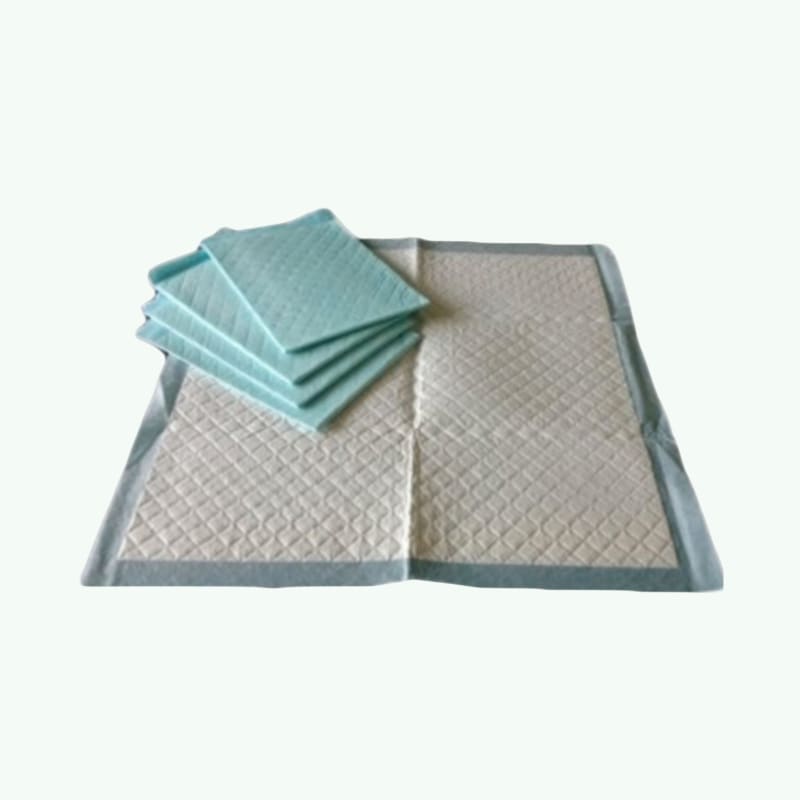
Bellcross Medical Disposable Underpad (Adult — Absorbent Bed Pad)
The hospital bed has a problem that nobody talks about in procurement meetings but everyone in the ward knows about: fluids. Wound drainage. Incontinence. Post-surgical drainage. Post-partum discharge. The moment any of these reach the mattress rather than staying on the linen layer, a chain reaction begins that involves mattress cleaning protocols, linen change delays, and — in a busy ward — a nursing team stretched between patient care and bed management logistics. The disposable underpad exists to interrupt that chain. It sits between the patient and the bed linen (or directly over the draw sheet), absorbs the fluid, and gets disposed of. No mattress contamination. No prolonged linen cycle delay. A new pad goes on, and the nursing team moves to the next patient. Bellcross Medical Disposable Underpads are manufactured with a multi-layer construction: an absorbent core of lint, cotton, or fluff pulp that pulls fluid away from the patient's skin surface, a moisture barrier backing layer that prevents the absorbed fluid from leaking through to the mattress or linen, and a soft top surface that minimises skin irritation for patients who may be lying on the pad for extended periods. For patients with limited mobility, pressure area risk, or post-surgical drainage, extended contact with a damp surface is not just uncomfortable — it is a direct risk factor for skin breakdown and pressure sore development. The underpad that wicks and retains fluid rather than allowing it to pool against the skin is doing legitimate clinical work. Bellcross Industries has been manufacturing disposable medical products in Mumbai since 1984. The underpad range — which includes adult, paediatric, and baby wrap formats — reflects four decades of understanding what hospital wards actually need from this category of product. Supply ability of 1,000 units per week from the Bellcross manufacturing facility means institutional supply chain continuity, not artisan production. For hospital supply importers, nursing home product distributors, and medical disposable wholesalers — underpads are a high-velocity, regularly reordered product that every hospital, nursing home, and long-term care facility needs in consistent supply. Sara Wellness exports Bellcross disposable linen and apparel products to international buyers with flexible MOQs and one-on-one export coordination.

BD Vacutainer EDTA Blood Collection Tube (Lavender — K2EDTA, Haematology)
Ask any haematology laboratory technician what is the single tube they cannot run out of, and the answer is always the same. Lavender top. K2EDTA. The CBC tube. Because the complete blood count is not simply the most ordered single blood test — it is the test that catches conditions nobody else catches. It is the peripheral blood film that shows the blast cells in acute leukaemia before any other test is abnormal. It is the haematocrit that diagnoses the quietly developing anaemia in a patient who came in complaining of fatigue. The lavender tube is where that diagnostic work begins. BD Vacutainer EDTA tubes contain K2EDTA — dipotassium ethylenediaminetetraacetic acid — as a dry spray-coat on the interior tube walls. EDTA chelates calcium ions, removing the calcium that the coagulation cascade absolutely requires at multiple steps. No calcium, no clot. The blood stays liquid. The red cells stay intact as individual biconcave discs. The white cells retain their nuclear and cytoplasmic morphology. The platelets remain as individual countable particles rather than forming aggregates. This is why EDTA is the anticoagulant of choice for haematology and not heparin. Heparin causes leukocytes to clump — making differential counting unreliable and blood film morphology assessment misleading. EDTA does not have this effect. At 1.8 mg/ml (the ISO 6710 standard concentration), the dry spray-coat formulation does not dilute the sample the way a liquid K3EDTA formulation would, which means MCV, MCHC, and haematocrit values are not affected by sample dilution. Apart from CBC, the lavender tube handles HbA1c (the glycated haemoglobin test that monitors three months of blood glucose control in diabetic patients), reticulocyte counts, haemoglobinopathy screening for sickle cell and thalassaemia, and blood grouping and crossmatch. For molecular testing, EDTA is the standard anticoagulant for blood DNA extraction because it inhibits nucleases that would degrade nucleic acids. For laboratory supply distributors covering hospital blood banks, haematology units, and clinical pathology laboratories — the EDTA lavender tube is the highest-volume item on the tube order list. Every active inpatient ward and every outpatient phlebotomy station consumes them continuously. Sara Wellness exports BD Vacutainer EDTA tubes in the full volume range to wholesale buyers. Box quantities and full case quantities both available.
Bellcross N95 Particulate Filter Respirator and Surgical Mask
The N95 mask became a household conversation topic during a global pandemic. Before that, it was simply the thing the ICU nurse reached for before entering an isolation room, the thing the construction worker wore cutting drywall, the thing the tuberculosis ward always had in stock. The Bellcross N95 Particulate Filter Respirator is a product that sits at the intersection of both worlds — healthcare-grade protection from a manufacturer with four decades of disposable medical product manufacturing experience in India. N95 means exactly what it says. Ninety-five percent filtration efficiency for non-oil-based particulate matter when properly fitted to the face. This is the threshold established by NIOSH (National Institute for Occupational Safety and Health) — the US regulatory authority for respiratory protection in occupational settings. An N95 respirator does not rely on loose fit or general aerosol reduction. It relies on a tight facial seal that forces all inhaled air through the filter medium, and the filter medium that captures at least 95% of particles 0.3 microns and larger (the most penetrating particle size for fibrous filter materials). The Bellcross version serves dual purpose as both a particulate respirator and a surgical mask — providing the fluid resistance layer that distinguishes a healthcare surgical N95 from a standard industrial N95. The fluid-resistant outer layer adds protection against splash and spatter of blood and body fluids, which the NIOSH-only industrial N95 standard does not address. For healthcare settings, this is the variant that makes clinical sense — particularly in operating theatres, procedure rooms, endoscopy units, and any clinical area where aerosol-generating procedures are performed. Bellcross Industries, established in 1984 in Mumbai, is one of India's largest manufacturers and exporters of disposable medical products. The range covers surgical drapes, OT gowns, HIV safety kits, ECG electrodes, and the full spectrum of single-use hospital consumables. The N95 respirator is manufactured to the same quality standards that have made Bellcross products trusted across export markets for over four decades. For PPE distributors and hospital supply importers sourcing respiratory protection from India — Bellcross N95 respirators offer authentic Indian manufacturing credentials, not re-labelled imports. Sara Wellness exports Bellcross disposable medical products to international wholesale buyers. Flexible MOQs, direct one-on-one dealings, and fifteen years of export experience behind every shipment.

BD Vacutainer Citrate Tube (Light Blue — Sodium Citrate, Coagulation Testing)
Coagulation testing is the one area of laboratory medicine where a pre-analytical error can be catastrophic rather than just inconvenient. A PT/INR drawn in the wrong tube — a plain red tube, say, because someone reached for the wrong colour — cannot be corrected by rerunning the analysis. The clotting factors have already interacted. The sample is invalid. For a patient on warfarin being managed at a therapeutic INR, that wrong tube can mean a missed dose adjustment, a bleed, or an unnecessary anticoagulation reversal. The blue top matters. The BD Vacutainer Citrate Tube is the global reference standard for coagulation blood collection. The light blue BD Hemogard closure has meant coagulation tube for more than 75 years of laboratory practice. The additive inside is 3.2% buffered sodium citrate (0.109M) — a calcium chelator that arrests the coagulation cascade at the moment of collection by binding the calcium ions required for Factor activation. This preserves the patient's clotting factor levels in the same state as when the blood left the vein, allowing the laboratory's coagulation analyser to run PT, APTT, fibrinogen, D-dimer, and coagulation factor assays on a sample that accurately reflects in vivo clotting status. The blood-to-citrate ratio of 9:1 is not a guideline — it is a hard requirement. Under-filling the tube changes this ratio, dilutes the clotting factors relative to the citrate concentration, and produces falsely prolonged clotting times. Over-filling reduces the citrate-to-calcium ratio and may allow partial activation. BD addresses this with a 360° etched fill line on the tube body that marks the minimum fill level, and the calibrated vacuum ensures the tube fills to the correct draw volume when technique is correct. The PET plastic construction eliminates the glass breakage risk that was a significant hazard in coagulation tube handling. The Hemogard closure prevents finger contact with blood on the stopper surface during opening — a relevant safety feature in a haematology or coagulation laboratory where multiple tubes are opened per batch. For laboratory supply distributors servicing hospitals with active coagulation and haematology departments — the BD blue citrate tube is the first specification listed on any coagulation reagent kit's collection requirements. The 2.7ml format handles the majority of adult draw situations. Sara Wellness exports the full BD Vacutainer range. Standard 100/box and 1,000/case quantities available on both 1.8ml and 2.7ml variants.

Bellcross Disposable Arm Sleeves (Medical Grade — Infection Control)
Disposable arm sleeves occupy a humble corner of hospital procurement. They are not the device that saves a life. They are the barrier that protects the person saving the life. And in an environment where contact precautions, infection control protocols, and PPE compliance are monitored, assessed, and audited — having the right disposable arm barrier in stock, sized correctly, in adequate quantity, matters. Bellcross Disposable Arm Sleeves are manufactured from a non-woven or polyethylene material suitable for single-use clinical application. They cover the arms from the wrist to above the elbow or full arm, creating a barrier layer over the clinician's clothing or forearms when performing procedures where contact with bodily fluids, contaminated materials, or patients on contact precautions creates a splash or contamination risk. The clinical scenarios are broad: wound care in infectious patients, catheterisation, endoscopy assistance, post-mortem examinations, laboratory specimen handling, patient bathing in long-term care settings, and any procedure where a full gown is operationally inconvenient but arm protection is still required. The range of sizes — S through XXL — matters more than it might seem. Arm sleeves that are too narrow are uncomfortable to don and doff, which reduces compliance. Sleeves that are too large slip down during the procedure, which defeats the purpose. Bellcross's size range accommodates the realistic distribution of healthcare worker body proportions across a diverse clinical workforce. Bellcross Industries Pvt. Ltd. has been manufacturing disposable medical products from its Mumbai facility since 1984. The product portfolio spans surgical gowns, drapes, PPE kits, ECG electrodes, and a comprehensive range of single-use hospital apparel. The arm sleeve sits within a manufacturing operation that produces at industrial scale with clinical quality standards — which is the combination that matters when supplying arm sleeves to a hospital network ordering by the thousand. For medical consumable distributors and hospital supply importers sourcing disposable PPE and apparel from India — Bellcross arm sleeves represent direct-from-manufacturer pricing from one of India's longest-established disposable medical product companies. Sara Wellness exports Bellcross's full range to international wholesale buyers. Multiple sizes in stock, flexible minimum orders, and direct communication on every requirement.

Bellcross Disposable Patient Bib (Dental and Hospital Use)
The dental bib is the smallest gesture in infection control. One sheet of tissue-backed paper, placed under the patient's chin before the procedure begins, removed and discarded at the end. It sounds trivial. But consider what that bib catches across a dental session: water spray from the air-water syringe, debris from the high-speed handpiece, irrigation fluid, saliva, blood from a local anaesthetic injection, resin adhesive, impression material dribble. All of that lands on the bib rather than on the patient's clothing and the dental chair upholstery. And at the end of the appointment, one motion removes the bib, folds it, and disposes of it. The decontamination burden it prevents is disproportionate to its cost. Bellcross Disposable Patient Bibs are designed for both dental and general hospital use. The dental application is the most volume-intensive — every dental chair in every active practice uses a bib for every patient appointment, and the number of appointments across a moderately busy dental clinic across a working year is substantial. Hospital use includes: nursing and feeding assistance for patients with dysphagia or reduced oral function; meal service in long-term care and rehabilitation wards; post-surgical patients with facial or neck wounds; and procedural use in gastroenterology, oral surgery, and ENT clinics. The construction is straightforward by design. Two-ply tissue provides absorbency for the small fluid volumes typical of dental procedures, and the poly backing prevents fluid strikethrough to the patient's clothing. The attachment method — either paper ties that tie around the neck or a metal clip chain that attaches to the patient's clothing — ensures the bib stays positioned where it is supposed to stay through a 30 to 60 minute dental procedure that involves patient head movement. Bellcross Industries has produced disposable medical products from its Mumbai facility since 1984. Four decades of manufacturing experience in the single-use medical disposable category. The bib is one of the simpler products in the range, but it is one of the most frequently consumed — which is exactly the kind of product that rewards a reliable long-term export supply relationship. For dental supply importers, hospital consumable distributors, and food service/healthcare linen buyers — Bellcross patient bibs are available in bulk export quantities. Sara Wellness supplies the Bellcross disposable product range internationally. Competitive pricing, flexible MOQs, and fifteen years of export experience on every shipment.

Bellcross Disposable Bed Cover (Non-Woven — Hospital and Clinic Use)
The textile bed cover in a hospital is a transmission vector. That is not an exaggeration — it is the conclusion that infection control research has been drawing for decades. Textile linen is collected, transported, washed at whatever temperature the laundry runs, dried, re-folded, and returned to beds where the next patient assumes it is clean. In a well-managed hospital laundry, it mostly is. But the process has touchpoints, and touchpoints in a high-risk microbial environment carry risk. The disposable bed cover removes most of those touchpoints. Bellcross Disposable Bed Covers are single-use non-woven sheets supplied in bulk for hospital and clinic use. The non-woven polypropylene material used in medical disposable bed covers is engineered to balance several competing requirements: it must be soft enough not to irritate patient skin during the period of contact, strong enough not to tear during normal patient repositioning and nursing activity, and — in the barrier-finish variants — fluid-resistant enough to prevent contamination strikethrough to the mattress. The clinical use cases are broad. Procedure and examination rooms: every examination table that sees multiple patients per session is a cross-contamination risk unless the contact surface is changed between patients. A roll or sheet of disposable non-woven placed over the examination table covers from the patient's head to below the hips and gets replaced between appointments — faster than wiping down, more reliable than assuming a wipe reached every contact point. Operating theatre prep areas: patients placed on OT tables before scrubbing receive disposable bed covers that can be removed at the point of sterile field establishment. Isolation rooms: patients on contact or droplet precautions benefit from single-use linen that goes directly to waste at discharge rather than into a shared linen stream. Ambulance trolley stretchers: disposable stretcher covers between patients maintain infection control standards in emergency transport settings. Bellcross Industries, manufacturing from Mumbai since 1984, produces disposable bed covers as part of its comprehensive hospital linen and apparel range. The same operational scale and quality discipline that produces the company's surgical gowns, drapes, and underpads applies to the bed cover range. For medical consumable importers and hospital supply distributors who serve infection control-conscious buyers — the disposable bed cover argument is simple: the cost per unit is trivial compared to the infection control value it provides. Sara Wellness exports the full Bellcross disposable linen range to international wholesale buyers.

Bellcross Disposable Full Body Suit (Laminated Surgical Gown)
At some point in the pandemic, the full-body isolation suit went from being a specialist item for infectious disease units and hazmat teams to something that procurement managers in hospitals across the world were ordering by the pallet. The reason was simply that when you need whole-body barrier protection — from head to toe, from hood to ankle — nothing else does the job. Bellcross Disposable Full Body Suits are laminated single-use coveralls designed for environments where full-body contamination risk exists. The laminated construction layers non-woven fabric with a polyethylene film barrier, creating a surface that resists fluid penetration while remaining light enough to be worn through a clinical or procedural shift. Healthcare-specific scenarios include: isolation of patients with highly infectious disease (Ebola, SARS, MERS, avian influenza); post-mortem examination of infectious cases; aerosol-generating procedures in ICU settings with high-risk pathogens; decontamination and disinfection of clinical areas; and industrial biohazard response. The design elements matter. Elastic at the wrists, ankles, and around the face opening prevents the suit from gaping open at movement extremes — and it is at the extremes of arm reach, bending, and crouching that barrier failures in non-stretch coveralls typically happen. Hoods integrated into the suit eliminate the separate hood donning step that slows up the donning sequence when every second spent at the anteroom counts. Bellcross Industries has been manufacturing disposable medical products in Mumbai since 1984. Four decades of production experience in clinical disposables — from surgical drapes to HIV safety kits to OT gowns. The full body suit sits within a product range that reflects a manufacturer who understands what hospitals actually encounter, not just what procurement catalogues list. For PPE importers, hospital emergency preparedness buyers, and infection control supply distributors — disposable laminated full body suits are not a product category that should have an unreliable supply chain. Sara Wellness exports Bellcross disposable apparel to international wholesale buyers. Sizes S through XXL. Flexible minimum orders. Fifteen years of export documentation experience behind every shipment.

Bellcross Disposable Pillow Cover (Non-Woven — Hospital Use)
Consider the hospital pillow. Unlike the mattress, which has a thick waterproof cover inspected on admissions and change, the pillow travels with the patient — gets adjusted, sat against, sweated on, bled on occasionally — and then goes back through the laundry stream. The pillow cover is where the hygiene risk accumulates. And the reusable textile pillow cover is laundered alongside bed linen — the same laundry cycle that cannot guarantee decontamination of all the organisms a pillow absorbs over a week of inpatient use. Bellcross Disposable Pillow Covers flip this equation. One patient admission, one pillow cover. At discharge or transfer, the cover goes into the clinical waste stream, a new one goes on, and the next patient starts with a surface that has never been near another patient. The cross-contamination pathway through shared pillow linen is eliminated. The construction is non-woven polypropylene — the same material category used in Bellcross's surgical drapes, gowns, and bed covers. The non-woven surface is soft enough for extended patient contact against the face and neck without skin irritation. Variants with a moisture barrier backing layer are available for patients with wound drainage, excessive perspiration, or any fluid-generating condition that would otherwise saturate a textile pillow cover. Bellcross Industries has been manufacturing from its Mumbai facility since 1984. The pillow cover is one of the less celebrated items in the hospital linen range — nobody gives it a press release. But in a hospital with 200 beds running at 85% occupancy, the pillow cover consumption calculation becomes significant very quickly, and having a reliable export supply from a manufacturer with four decades of volume production capability matters. For hospital consumable importers, long-term care supply distributors, and infection control product buyers — Sara Wellness exports Bellcross disposable linen products to international wholesale buyers. Flexible order quantities, direct communication, and clean export documentation on every order.

Bellcross Disposable Pyjama (Patient — Hospital Use)
Hospital gowns have a reputation problem. They gap at the back, they tie in ways that require a second person or a degree in knot theory, and they communicate to the patient — in fabric form — that they have ceded their clothing autonomy along with their health. The disposable pyjama is an attempt to solve at least part of this problem by giving patients something that looks and functions more like clothing and less like an open-backed sheet. Bellcross Disposable Pyjamas are non-woven single-use patient garments consisting of a top and bottom set — a shirt and trouser combination — that provides comfortable coverage for ambulatory and semi-ambulatory inpatients. The clinical use cases are multiple: pre-operative preparation where the patient needs to walk to the OT, maintaining dignity; post-surgical recovery where the patient needs clothing that accommodates drain tubes and wound sites without the restriction of fitted clothing; day-procedure units where the patient arrives in their own clothing, changes for the procedure, and needs a clean garment for recovery; and infectious disease isolation wards where clothing that goes directly to clinical waste at discharge is preferable to the patient's own clothes cycling through the decontamination laundry stream. The non-woven polypropylene material keeps the patient comfortable through the ward stay without the perspiration-trapping qualities of polyethylene. It is soft against skin, lint-free, and sufficient for the duration of an inpatient stay or a day procedure without becoming uncomfortable. The single-use format means each patient starts with a garment that has never been near another patient — which is an argument that has only grown stronger as healthcare-associated infection surveillance has expanded. Bellcross Industries has been making disposable medical products in Mumbai since 1984. The pyjama range sits within a manufacturing operation that knows how to produce garments that work in clinical environments — which means consistent sizing, reliable seams, and closures that function under the awkward conditions of hospital use. Sara Wellness exports Bellcross patient apparel products to international wholesale buyers. Direct sourcing from manufacturer, flexible order quantities, and fifteen years of medical export experience.

Bellcross Disposable Surgical Gown (Non-Woven SMS — OT Use)
The moment the scrub nurse ties the gown at the back and the surgeon's gloved hands go up, the surgical gown becomes the boundary between the patient's open surgical field and the outside environment. For that boundary to hold, the gown must do several things simultaneously: resist fluid penetration from blood and irrigation fluid, allow enough freedom of movement for complex surgical manoeuvres, and not shed particles that could contaminate the operative field. The disposable surgical gown has become the global standard of care for OT use precisely because it does all three more consistently than textile alternatives. Bellcross Disposable Surgical Gowns are manufactured from SMS (Spunbond-Meltblown-Spunbond) non-woven fabric. The SMS construction has three functional layers: an outer spunbond layer for mechanical strength and abrasion resistance; a meltblown middle layer that provides the filtration and fluid barrier performance (the meltblown layer is what makes SMS superior to plain spunbond for infection control); and an inner spunbond layer for softness against the wearer's clothing. Together, these layers produce a gown that meets the fluid resistance and particle shedding requirements of clinical surgical environments. Barrier level classification matters for surgical gowns. AAMI PB70 (or the European equivalent EN 13795) classifies surgical gowns from Level 1 (minimal barrier, suitable for basic care) to Level 4 (the highest barrier, for surgical procedures with the highest fluid challenge — major vascular surgery, orthopaedic procedures with irrigation, caesarean sections). Bellcross produces gowns across multiple barrier levels to cover the full range of OT applications from minor procedures to major surgery. The critical zone — the forearm and front body panel from chest to mid-thigh — is the area directly exposed to the surgical field during most operations. Higher-barrier gowns use reinforced critical zone panels with additional lamination for maximum protection precisely in this area. Bellcross Industries has been manufacturing disposable medical products from its Mumbai facility since 1984. The surgical gown range is manufactured under the same quality discipline as the company's full product portfolio. Sara Wellness exports Bellcross surgical gowns and the complete disposable OT apparel range to international wholesale buyers.

Bellcross Disposable Plastic Bed Sheet (PE — Hospital Fluid Protection)
Here is the moment that justifies the plastic bed sheet: a post-operative patient in the recovery bay, who has just come back from an abdominal procedure, begins to bleed from the wound site. Or a catheterised patient on the surgical ward displaces their catheter bag. Or a patient in obstetrics ruptures membranes at 3 AM. In each case, the mattress — the most expensive piece of bedding in the room — is either protected or it is not. The plastic bed sheet is the cheap decision that protects the expensive one. Bellcross Disposable Plastic Bed Sheets are made from polyethylene (PE) film, which is the unambiguous choice for complete waterproof barrier protection. Unlike tissue-poly composites or non-woven fabric covers that offer varying degrees of fluid resistance, PE plastic is simply impermeable to water. Fluids stay on the surface. The mattress stays dry. At the end of use, the sheet is disposed of and a new one replaces it — the mattress disinfection protocol is simplified because the mattress hasn't been contaminated. The clinical use cases extend beyond the obvious: labour and delivery units where sheets are changed multiple times per patient during delivery; post-surgical recovery where haematoma or drain exudate is anticipated; patients with faecal incontinence in nursing home settings; wound irrigation procedures in treatment rooms; and examination tables in clinics handling contaminated wounds. The disposable format also eliminates the laundering and heat-sealing maintenance that reusable mattress protectors require to maintain their waterproof integrity over time. A reusable PVC mattress cover with a compromised seam or small tear is functionally non-waterproof — but it looks intact on the bed, which means the failure is invisible until a soiling event happens. A disposable PE sheet that is fresh every time has no such hidden failure mode. Bellcross Industries, manufacturing from Mumbai since 1984, produces disposable PE bed sheets as part of its comprehensive institutional linen range. Sara Wellness exports Bellcross's hospital linen range to international buyers. Competitive pricing, flexible MOQs, and reliable export logistics on every order.

Bellcross Disposable Shoe Cover (Non-Woven — Hospital and OT Use)
Nobody in a clinical governance meeting has ever argued against disposable shoe covers on the grounds that they are unnecessary. The argument against them is always cost per unit versus the actual evidence of environmental contamination reduction. Here is the practical answer: in controlled environments — operating theatres, clean rooms, food production facilities, electronics manufacturing — shoe covers are a standard element of contamination control, not because footwear is the biggest contamination risk, but because it is an easy one to address for a trivial cost per person per visit. Bellcross Disposable Shoe Covers are non-woven single-use overshoes designed for operating theatre anteroom use, cleanroom entry, pharmaceutical manufacturing areas, and controlled clinical environments. The non-woven polypropylene construction provides the particle barrier function that shoe covers are primarily specified for — preventing floor-level particulate matter from visitor and staff shoes entering the controlled zone. PE-laminated variants provide the additional fluid-resistant barrier required in environments where floor liquid exposure (irrigation fluid spillage, blood, cleaning solutions) is anticipated. The elastic ankle band holds the shoe cover securely over a wide range of footwear types without requiring manual adjustment. Universal sizing — stretching from standard flat shoes to large theatre clogs — eliminates the sizing administration overhead that sized shoe covers would create in the OT anteroom. Bellcross Industries has been manufacturing disposable medical products in Mumbai since 1984. Shoe covers are manufactured as part of the complete Bellcross OT apparel suite — the same operation that produces caps, gowns, masks, and drapes. The consistency of a single manufacturer across the complete OT disposable range is commercially useful for export buyers managing multiple supplier relationships. For hospital supply distributors, OT consumable buyers, and pharmaceutical facility managers — disposable shoe covers are a high-velocity, low-friction procurement item. Sara Wellness exports Bellcross shoe covers to international wholesale buyers. Box quantities for regular restocking and full carton quantities for institutional supply.

Bellcross Disposable Surgeon's Cap (Bouffant / Scrub Cap — OT Use)
There is a running conversation in surgical microbiology about what actually constitutes the biggest contamination risk in an operating theatre. Floor traffic. Door openings. Staff movement. Skin shedding. And somewhere in the list — dependably, reliably — human hair. People shed approximately 100 hairs per day under normal conditions. In an OT environment, hair falling into a surgical wound is both a physical foreign body risk and a potential bacterial contamination pathway. The surgeon's cap exists to address this with a product that costs almost nothing per use. Bellcross Disposable Surgeon's Caps are non-woven single-use head covers for operating theatre staff and any clinical environment requiring hair containment — clean rooms, pharmacy compounding areas, food production, sterile processing departments. The bouffant (dome) style is the most common OT format: a large, fully enclosed dome of non-woven fabric with an all-round elastic edge that fits snugly from forehead to the nape of the neck, containing all hair lengths including longer hair styles without requiring tucking or hair pinning. The flat-top scrub cap style — which looks more like a traditional painted cap — provides similar hair containment for personnel with shorter hair and is preferred by some surgical staff who find the bouffant style uncomfortable over longer sessions. The elastic band design of the bouffant cap means one size covers the vast majority of adult head sizes without the fit-and-adjust overhead of tied scrub caps. For high-throughput OT units where multiple personnel are gowning up between cases, the elastic-band bouffant format is the practical choice. Bellcross Industries produces surgeon's caps as part of its complete OT disposable suite from its Mumbai manufacturing facility established in 1984. Sara Wellness exports Bellcross OT consumables — caps, gowns, masks, shoe covers — to international wholesale buyers. Box and carton quantities available for all items.

Bellcross Silicone Ambu Bag (Manual Resuscitator — Adult/Paediatric/Infant)
There is a moment in every resuscitation — in the emergency department, in the ambulance, in the ICU, at the bedside when the decision has been made to intubate — when the manual resuscitator becomes the most critical piece of equipment in the room. Until the endotracheal tube is placed and the ventilator is connected, the Ambu bag is the only thing maintaining ventilation. That three-minute window has very limited tolerance for equipment malfunction. Bellcross Silicone Ambu Bags are manual self-inflating bag-valve-mask resuscitators manufactured from medical-grade silicone. The silicone construction distinguishes these from PVC-based resuscitators in several ways that matter clinically. Silicone is more durable through repeated autoclave cycles — PVC resuscitators that are reused without proper sterilisation in resource-limited settings degrade and crack; silicone maintains its elasticity and structural integrity through the recommended sterilisation cycles. Silicone is also softer and more compliant, making the self-reinflation of the bag between compressions more consistent and tactilely easier for the operator to assess. The non-rebreathing valve ensures that expired air exits through the valve exhalation port and does not re-enter the bag — the patient receives fresh gas on each inflation rather than recycled CO2. The oxygen reservoir bag, when connected to an oxygen supply (flow rate 10-15L/min), allows delivered oxygen concentration approaching 90-100% rather than the 21% ambient air the bag delivers without supplemental oxygen. Bellcross produces adult (1600ml), paediatric (500ml), and infant/neonatal (240ml) sizes to cover the complete patient population spectrum. Each size has a corresponding face mask with an appropriate seal for that age group. For emergency medical supply distributors, hospital resuscitation equipment buyers, and anaesthesia supply importers — manual resuscitators are an essential crash cart, emergency trolley, and transport resuscitation item that no clinical facility can be without. Sara Wellness exports Bellcross resuscitation products to international wholesale buyers with direct-from-manufacturer pricing.

Bilirubin Reagent Kit (Total and Direct — DPD Method, Clinical Biochemistry)
Bilirubin has a story. It starts in the spleen and bone marrow, where old red blood cells are broken down and their haemoglobin is metabolised into unconjugated bilirubin. That bilirubin travels to the liver, where it is conjugated with glucuronic acid to become water-soluble (direct bilirubin) and excreted into bile. When this process goes wrong — when the liver is failing, when bile ducts are blocked, when red cells are being destroyed faster than the liver can process them — bilirubin accumulates. The skin and eyes turn yellow. The bilirubin reagent kit is the laboratory's tool for quantifying how wrong things have gone. Bilirubin Reagent Kits use the DPD (3,5-dichlorophenyl diazonium tetrafluoroborate) method for total bilirubin measurement. The DPD method works by having the diazonium salt in Reagent 2 react with bilirubin in an acidic buffer environment to form azobilirubin — a coloured compound whose absorbance at 540nm is directly proportional to the bilirubin concentration in the sample. Direct bilirubin (conjugated) reacts without an accelerator; unconjugated bilirubin requires an accelerator (surfactant/solubiliser). Total bilirubin is measured by measuring both fractions together with an accelerating surfactant in Reagent 1. The DPD method has advantages over the classic Jendrassik-Grof method for automated analyser use: the R1/R2 two-reagent format is directly loadable on standard clinical chemistry analysers without modification, the reagents are stable in liquid ready-to-use form, and the method shows good correlation with reference methods validated against NIST SRM 916a bilirubin standard. Practical applications are broad: liver function testing in adults; neonatal jaundice monitoring (the highest-volume bilirubin testing setting globally — every newborn in most countries has bilirubin measured within 24-72 hours of birth); monitoring haemolytic anaemia; post-operative liver assessment; diagnosis of bile duct obstruction and cholestasis. For laboratory reagent distributors, hospital pharmacy buyers, and diagnostic supply importers — bilirubin reagent kits are a steady-volume biochemistry consumable across every clinical laboratory with a chemistry analyser. Sara Wellness exports clinical biochemistry reagents to international wholesale buyers with flexible order quantities.

Bellcross Disposable HIV Safety Kit (Complete PPE Set — Infection Control)
The HIV safety kit was born from a straightforward clinical recognition: the risk of occupational blood-borne pathogen exposure is not random, and it is not limited to surgeons. It is nurses doing IV insertions. It is phlebotomists drawing blood on patients whose infection status is not yet confirmed. It is emergency department staff dealing with a trauma patient before serology results are back. The kit puts the complete barrier protection ensemble together in one pre-assembled, pre-sterilised pack that can be grabbed and donned in under two minutes. Bellcross Disposable HIV Safety Kits contain everything a healthcare worker needs to create a complete bodily fluid barrier before attending to a patient where blood-borne pathogen exposure risk exists. The gown is full length, full sleeves, with elastic cuffs and a PVC apron interlining that makes it fluid-impermeable rather than merely fluid-repellent. The goggles cover the periocular area — because blood splash to the conjunctiva is a documented HIV transmission route. The shoe covers close off the lower extremity pathway. The gloves close off the hand pathway. The biohazard waste bag is included because the kit itself, when removed, is clinical waste. Bellcross manufactures both sterile (ETO sterilised with indicator) and non-sterile kit variants. The sterile format is appropriate for procedural settings where the kit contents may enter or work adjacent to a sterile field. The non-sterile format is the more common clinical procurement choice for general barrier precaution use. Kits can be customised to buyer specification — the contents list above represents the standard Bellcross configuration, but institutional buyers who have different PPE standards, local regulatory requirements, or specific gown specifications can request modifications at order. Bellcross Industries Pvt. Ltd., established in 1984, manufactures every component of the HIV safety kit in-house from its Mumbai facility. This is not a kit assembled from third-party components — the gown, mask, cap, goggles, shoe covers, and bag are all Bellcross manufacture. The supply chain consistency this provides matters for institutional buyers who need to know what is inside every sealed pack. Sara Wellness exports Bellcross HIV safety kits to international wholesale and institutional buyers. Carton quantities, custom configurations, and fifteen years of export coordination on every order.

Bellcross PVC Sterile Bed Sheet (Washable — Hospital and Clinical Use)
Not everything in hospital linen procurement should be disposable. The PVC washable bed sheet occupies a specific and well-justified niche: it provides the waterproof mattress protection of a plastic bed sheet with the reuse economics of a washable item. Where a disposable PE sheet is the right answer for a high-volume turnover ward or an obstetric delivery room, the reusable PVC sheet makes sense for longer-stay patients — ICU patients, rehabilitation ward residents, or nursing home residents — where the same bed is occupied for days or weeks by the same patient. Bellcross PVC Sterile Bed Sheets are manufactured from high-grade PVC material that is both fluid-impermeable and capable of withstanding disinfection protocols. The surface can be wiped with a chlorine-based disinfectant solution (0.05%) between use episodes and laundered for reuse across multiple patient admissions. The blue colour provides a clinical visual cue that differentiates the PVC protective sheet from regular textile bed linen in the ward laundry and supply room. The size — 48 inches x 80 inches (122cm x 203cm) — provides complete bed surface coverage for a standard hospital single bed from head to foot. The full coverage format means the mattress is protected across its entire length, not just under the patient's torso, which is important for patients with lower limb wounds, post-surgical drain sites at the hip or thigh, or urinary incontinence. Sterile variants of PVC bed sheets are available where the clinical application requires sterility — for example, when used under a patient for a sterile procedural field in a treatment room rather than at a ward bed. Bellcross Industries has been manufacturing PVC medical products from its Mumbai facility since 1984. The PVC bed sheet sits alongside the company's complete hospital linen range — the same manufacturing discipline that produces the company's disposable gowns, drapes, and patient apparel. Sara Wellness exports Bellcross PVC bed sheets to international buyers. Reusable format available for buyers who prefer the washable alternative to disposables, alongside the full disposable linen range.

Bellcross Woven Sterile Drape (Surgical — OT Use)
The woven surgical drape occupies a specific and legitimate place in operating theatres despite the rise of disposable non-woven alternatives. In government hospitals, missionary hospitals, and facilities in price-sensitive markets across Asia, Africa, and South Asia, the reusable woven drape is not a cost-cutting compromise — it is the environmentally and economically rational choice when a laundry and sterilisation infrastructure is available. Bellcross Woven Sterile Drapes are manufactured from 100% cotton woven fabric. Cotton woven drapes can be laundered, inspected, and autoclaved repeatedly — a lifespan of 60 to 100 autoclave cycles is standard for good-quality woven surgical drapes before fabric integrity requires replacement. Over that service life, the cost per use of a woven drape is significantly below the equivalent disposable drape. The lifecycle carbon footprint is lower. The supply chain dependency on continuous single-use consumable procurement is reduced. The clinical function is identical to a disposable drape: the drape creates a sterile barrier between the surgical site and the non-sterile patient skin and environment. The fenestrated (holed) variant exposes only the surgical incision site through the opening while covering the surrounding field. Non-fenestrated flat drapes are used for instrument trolleys, procedure trays, and field extension. Bellcross produces woven drapes in the standard sizes used across OT tables: 75x75cm towel drapes, 150x150cm medium field drapes, and 150x200cm and 200x200cm large field drapes. Sterile individually-wrapped packs or bulk non-sterile packs for in-house autoclave sterilisation are both available. Bellcross Industries has been making woven and non-woven surgical products from its Mumbai facility since 1984. Four decades of experience producing for both the Indian domestic hospital market and the export market means understanding what different buyer markets need from this product category. Sara Wellness exports Bellcross woven surgical drapes to international buyers. Reusable format with individually sterile packs or bulk non-sterile supply for in-house autoclave sterilisation — specify the requirement at order.

Borosil Conical Glass Beaker Graduated (Borosilicate 3.3 — Laboratory Use)
The glass beaker is arguably the most recognisable piece of laboratory equipment in existence — more so than even the Erlenmeyer flask or the test tube. It appears on the covers of science textbooks, in the logos of chemistry departments, in every school laboratory from kindergarten to postgraduate level. This recognition is not incidental. The beaker has remained essentially unchanged in design for over a century because its design is, within its intended function, optimal. Borosil Conical Glass Beakers are manufactured from borosilicate 3.3 glass — the material designation that distinguishes laboratory-grade from ordinary glass. Borosilicate 3.3 has a coefficient of thermal expansion of 3.3 x 10⁻⁶ K-1, which is approximately one-third that of standard soda-lime glass. This low expansion means the glass resists thermal shock: a borosilicate beaker can go from a cold bench to a hot plate, or be heated rapidly with a Bunsen flame, without cracking from the differential expansion stresses that would shatter ordinary glass. In continuous service, borosilicate beakers handle heating to 230°C repeatedly without degradation, and can withstand a single extreme heat event to 490°C. The Borosil brand is manufactured by Borosil Scientific, an Indian laboratory glassware manufacturer with decades of production experience supplying borosilicate labware to Indian and international laboratory markets. Borosil beakers comply with IS 2619 (Indian Standard), ISO 3819 (international standard for laboratory glassware — beakers), and DIN 12331 (German standard) — the three major standards that define beaker dimensions, graduation marking, and material requirements for professional laboratory use. The white printed graduations are for reference volume estimation during routine use — not for accurate volumetric measurement, for which calibrated volumetric flasks and pipettes are the correct choice. The pouring spout at the beak allows controlled transfer of liquids without drips. For laboratory supply distributors, educational institution buyers, hospital laboratory supply procurement, and industrial laboratory buyers — Borosil graduated beakers are a genuine Indian-manufactured alternative to imported European laboratory glassware, certified to the same international standards, at competitive export pricing. Sara Wellness exports Borosil laboratory glassware to international wholesale buyers in multiple sizes and pack quantities.

Borosil Tall Glass Beaker Graduated (Berzelius)
Most laboratories own two types of beakers and use the same one for everything. The short one sits on the bench, does the mixing, holds the liquid, and collects the splash. The tall one stands in a corner waiting for the rare procedure where a short beaker would actually fail. That rare procedure happens more often than you think. Gravity filtration is one. When you want liquid to drip through a funnel into a container below, a tall beaker collects the filtrate without splashing it back onto the funnel or getting in the way of the setup. Precipitation reactions are another — a taller column of liquid keeps the precipitate from re-mixing with the supernatant when you are trying to observe sedimentation clearly. Borosil Tall Form (Berzelius) Graduated Beakers are manufactured from borosilicate 3.3 glass. The taller, narrower profile compared to the standard low-form Griffin beaker creates a longer liquid column, easier observation of settled material or layered solutions, and a more stable fit under filtration funnels. Graduated markings are reference scale with a typical ±5% tolerance. Pouringspout and polished rim are standard features. Chemical resistance covers the same ground as all borosilicate 3.3 glassware: broad resistance to acids, organic solvents, aqueous solutions, and buffer preparations. Autoclavable. Cleanable with standard laboratory glassware detergents. Compatible with magnetic stir bars if a compatible size is used. For lab distributors selling to filtration-heavy applications, titrimetric analysis, and analytical chemistry departments, this product rounds out any complete Borosil beaker range without needing to source from a different manufacturer. Sara Wellness handles Borosil export orders mixing low-form, tall-form, and speciality beakers in the same consignment. Fifteen years of export logistics means your mixed order arrives documented, certified, and on time.

Bovine Albumin 10ml (BSA Serology Reagent)
Blood grouping is a procedure where being almost right is precisely as useful as being entirely wrong. An incorrect crossmatch sends a patient the wrong blood. The consequences of that error are severe, fast, and irreversible. Which is why every reagent in the blood bank — including the ones that seem basic — needs to be exactly what it claims to be. Bovine Albumin in the 22% and 30% formulations is an enhancement medium used in blood banking and serology. It potentiates the agglutination of red blood cells sensitised with incomplete antibodies (primarily IgG class), allowing reactions to be detected by indirect antiglobulin techniques and tube methods that would otherwise produce weak or invisible results. Without an enhancement medium, many clinically significant antibodies simply do not produce readable agglutination under routine conditions. This 10ml vial format is the standard size for blood bank use. The concentrated albumin solution is added to the test system at the appropriate volume per the procedure in use. Both 22% and 30% concentrations are available because different blood banking protocols specify different albumin concentrations for optimal enhancement effect. The reagent is manufactured under strict quality controls, with defined protein concentration, appropriate pH, and preservatives that maintain stability throughout the stated shelf life. Lot-to-lot consistency is essential in blood banking — a reagent that performs differently between lots introduces an unacceptable variable into a high-stakes clinical procedure. For blood bank reagent distributors and hospital procurement teams sourcing serology reagents at volume, this is a well-understood, widely used product with predictable consumption rates tied directly to blood bank test volume. Sara Wellness exports blood banking and serology reagents from India, working with distributors and hospital groups across export markets. We handle the cold chain documentation, import certification requirements, and quality records that blood bank reagent procurement demands.

Borosil Flat Bottom Amber Culture Tube
There is a particular kind of frustration that comes from losing a light-sensitive sample to an ordinary clear glass tube. The specimen is perfectly collected, the reagent is perfectly prepared, and then the tube fails the most basic job it was hired to do. Amber glass culture tubes exist precisely to prevent that particular catastrophe. Borosil Flat Bottom Amber Culture Tubes are made from borosilicate 3.3 glass, which is the same low-expansion composition used in scientific glassware worldwide for applications that demand chemical resistance and thermal stability. The amber colour is not a coating. It is fused into the glass, which means it does not peel, scratch off, or fade with repeated use or autoclaving. This matters enormously when you are storing photosensitive cultures, enzyme preparations, bilirubin solutions, or any specimen where UV and visible light exposure will degrade the contents over time. The flat bottom is important too. Flat-base tubes stand upright independently without a rack, which simplifies bench work during routine mixing, decanting, or observation. The tube mouth is fire-polished and smooth, accepting standard rubber stoppers and serum caps for contamination-free storage between processing steps. These tubes are designed for culture work, routine laboratory sample storage, teaching and training labs, and any application where the sample must be protected from light degradation. They autoclave reliably, rinse clean, and do not introduce contaminants into sensitive preparations. For laboratory supply distributors and procurement officers sourcing glassware at scale, Borosil is the benchmark Indian manufacturer whose products meet IS 4163 and ISO 4142 standards. The quality is consistent lot to lot, which eliminates the variation problems that plague lower-cost alternatives. Sara Wellness has spent 15 years building export partnerships with laboratory distributors across Asia, Africa, the Middle East, and beyond. Our pricing holds up at volume. MOQs are flexible enough to accommodate both trial orders and full-container shipments. Every consignment is documented correctly for smooth customs clearance, because a shipment that sits in port is not a shipment that earns repeat orders.

Borosil Culture Tube Flat Bottom with Screw Cap
A rubber stopper does its job. But there are situations where a screw cap does it better. Shipping samples across cities. Storing specimens overnight. Running long-term cultures without the rubber drying out. Any scenario where you need the closure to stay closed without constant supervision. Borosil Flat Bottom Culture Tubes with Screw Cap combine the dimensional precision and chemical resistance of borosilicate 3.3 glass with a leak-proof threaded polypropylene cap. The result is a tube you can store on its side in a refrigerator, hand to a courier, or leave in an incubator for 72 hours without worrying about evaporation or contamination. The flat bottom gives it stability. This tube stands on the bench without a rack, which is a minor convenience that becomes a significant time-saver across a hundred daily handling events. The glass is Borosil borosilicate 3.3, so it tolerates autoclaving, chemical cleaning, and repeated sterilisation cycles without degrading. The screw cap is polypropylene, which is separately autoclavable and chemically inert. These tubes are used heavily in microbiology, clinical sample collection, pharmaceutical preparation, and any laboratory context where sample integrity during transport or prolonged storage is non-negotiable. The threaded closure creates a positive seal without the user needing to push, twist, and wonder whether the stopper actually sealed. Borosil produces these to IS 4163 standards with consistent wall thickness and mouth dimensions. When you buy 10,000 tubes from this manufacturer, tube 9,997 fits the cap the same way tube 3 did. Sara Wellness exports Borosil laboratory glassware to wholesalers, medical distributors, and institutional procurement departments on every populated continent. We have 15 years of export documentation experience so your shipment clears customs on time. We price competitively for volume orders and we communicate in plain language, not in sales brochure language.

Borosil Glass Beaker Graduated (Low Form)
The beaker is arguably the most used piece of laboratory glassware in existence. It holds things. It mixes things. It heats things. It collects things. And when it fails, it usually does so in a dramatic and irreversible way at the worst possible moment. Which is why the glass it is made from is not a trivial detail. Borosil graduated glass beakers are made from borosilicate 3.3, the low-expansion glass composition that handles thermal shock without drama. You can take one from a cold bench and put it directly on a hot plate. You can rinse it with boiling buffer and then cold water in the same motion. The glass does not crack from the temperature change because the thermal expansion coefficient is low enough to absorb it. The low-form Griffin design is what you reach for by default. Wide diameter relative to height gives you a large, stable base that does not tip over when you bump the bench. The wide opening makes stirring, adding reagents, and pouring practical. Graduated markings are white printed and provide reference volume estimates — not calibrated measurements, but accurate enough for preparation and dilution work where a pipette will handle the precision later. Borosil manufactures these beakers to IS 2619 / ISO 3819 / DIN 12331 standards. The glass is chemically resistant to most laboratory acids, bases, and organic solvents, with the standard exceptions of hydrofluoric acid and hot concentrated alkalis. Every beaker is autoclavable. For laboratory equipment distributors sourcing Indian-manufactured scientific glassware, Borosil is the name that removes the quality question entirely. The brand is known globally and is specified by name in procurement lists from university labs to pharmaceutical production facilities. Sara Wellness has 15 years of experience exporting Borosil glassware in consolidated shipments to buyers who mix multiple product lines in one order. We keep the paperwork straight, the pricing honest, and the communication simple. Contact us for a bulk quotation.

Borosil 1000ml Reagent Bottle Screw Cap
The litre-sized reagent bottle is the workhorse container of any production-volume laboratory. Buffer solutions, staining reagents, wash solutions, culture media — everything that gets prepared in bulk and dispensed repeatedly across a working day starts here. The question is not whether you need a 1000ml reagent bottle. It is whether the one you are buying will still be reliable in cycle 200 of autoclaving. Borosil's 1000ml Reagent Bottle with polypropylene screw cap is the answer for labs that run through reagents at volume and cannot afford containers that cloud, crack, or fail. The glass is borosilicate 3.3. The screw cap is polypropylene. Both are autoclavable. The combination delivers a container that sterilises cleanly, seals tightly between uses, and resists virtually every reagent you will put inside it. The 1000ml size is available in both wide-mouth and narrow-mouth formats. Wide mouth for reagents that you pour, scoop, or dispense generously. Narrow mouth for organic solvents where you want to minimise vapour loss during the pour. The screw cap mechanism is straightforward and positive, without the alignment dependency of ground glass stoppers that can sieze or chip if not handled carefully. This is specifically the bottle that microbiology labs reach for when preparing a litre of LB broth. That biochemistry labs fill with phosphate buffer every Monday. That hospital pathology departments use for haematoxylin staining solution. High-volume, repeat-fill, repeat-autoclave applications where the container needs to perform identically on the hundredth use as it did on the first. Borosil manufactures this product to IS 1388 and ISO 4800. The Borosil name carries immediate recognition in global laboratory procurement. Sara Wellness ships Borosil 1000ml reagent bottles to laboratory distributors and institutional buyers worldwide. Volume pricing available. Export documentation handled end-to-end.

Borosil Glass Reagent Bottle
Reagents are expensive. The time spent preparing them is expensive. The experiments they enable are expensive. So storing them in a bottle that leaks, reacts with the contents, or admits light when it should not is a particularly avoidable problem. Particularly when the alternative costs only slightly more. Borosil Glass Reagent Bottles are made from borosilicate 3.3 and closed with ground glass stoppers or polypropylene screw caps depending on the variant. The glass is chemically inert to an exceptional range of laboratory chemicals — acids, bases, organic solvents, buffer solutions, stains, and indicator solutions. It does not leach plasticisers, does not absorb organic compounds onto its surface, and does not react with anything except hydrofluoric acid and strongly concentrated hot alkalis. The wide-mouth design makes filling, pouring, and cleaning practical. Narrow-mouth variants are available for volatile solvents where minimising vapour loss during dispensing matters. Ground glass stoppers create an airtight seal for reagents that absorb moisture from air or release vapours at room temperature. The polypropylene screw-cap variants are autoclavable and suited to aqueous solutions, buffers, and culture media. These bottles are used in every serious laboratory context: pharmaceutical QC, university chemistry, clinical biochemistry, food testing, environmental analysis, and industrial quality control. The 60ml size suits small-batch reagent preparation. The 5000ml size suits bulk preparation of buffer systems or staining solutions used in high-volume processing. Borosil manufactures reagent bottles to IS 1388 and ISO 4800 standards. Consistency is the reason the brand has been specified by name in institutional purchasing contracts since before most current lab managers started their careers. Sara Wellness exports Borosil reagent bottles globally. We handle mixed-SKU container orders, export documentation, and quality certification. Flexible MOQs make it practical to trial new sizes without over-committing inventory.

Borosil Round Bottom Amber Culture Tube
Not everything in a laboratory needs to stand on its own. Sometimes the round bottom is actually the right shape for the job, particularly when you need efficient heat transfer from a water bath, smooth sedimentation of particulates, or vortex mixing without dead zones at the corners that flat-based tubes inevitably create. Borosil Round Bottom Amber Culture Tubes deliver light protection and thermal performance in the curved-base format that certain laboratory workflows specifically require. The amber borosilicate 3.3 glass blocks UV and damaging visible wavelengths, protecting contents that degrade under ordinary laboratory light. Centrifugation, water bath incubation, and vortex mixing all work more efficiently in round-bottom geometry. The glass is borosilicate 3.3 throughout. That means chemical resistance to most acids, bases, and organic solvents. It means autoclave compatibility for repeated sterilisation cycles. It means dimensional consistency batch to batch, which matters when you are running assays where tube geometry affects sedimentation rates or mixing dynamics. These tubes are widely used in microbiology culture work, serology, haematology, pharmaceutical stability studies, and any setting where photosensitive samples need to sit in incubators or water baths for extended periods. The amber colour prevents light-catalysed reactions from distorting your results while the round bottom ensures even heat distribution. Borosil manufactures these to IS 4163 and ISO 4142 standards. The manufacturer has been India's leading scientific glassware producer for decades, and the consistency they deliver is why laboratory procurement departments across the world specify Borosil by name rather than by specification. Sara Wellness exports Borosil laboratory glassware to distributors and institutional buyers worldwide. We work directly with importers, not through layers of middlemen, so our pricing stays competitive and communication stays clear. Tell us the size mix you need and the quantity per shipment, and we will build a supply programme that makes reordering straightforward.

Borosil Glass Stirring Rod 205mm
It is a rod. It stirs. That sentence covers perhaps 10% of what a laboratory stirring rod actually does. A glass stirring rod scrapes precipitates off beaker walls. It transfers the last drop of a precious reagent. It aids filtration by directing liquid flow onto filter paper without splashing. It breaks up clumps in suspensions. It checks viscosity by how the liquid moves when pulled. And it does all of this inside chemical environments that would dissolve a metal rod, contaminate a reaction, or melt a plastic one. Borosil's 205mm glass stirring rods are manufactured from borosilicate 3.3 rod stock and fire-polished at both ends to remove sharp edges. The 205mm length fits comfortably across a 250ml to 1000ml beaker without being unwieldy. Common diameters are 5mm, 6mm, and 8mm — the wider the rod, the more mixing force per stroke and the more physically robust the rod is for heavy-duty stirring applications. Borosilicate glass is the only sensible material for a general-purpose laboratory stirring rod. It is chemically inert to almost everything a routine analytical or preparative lab will encounter. It does not react with acids, alkalis, organic solvents, or buffer solutions. It can be heated if necessary. It autoclaves without distortion. It can be cleaned with any standard laboratory glassware detergent and returned to service in the same condition it started in. These are used in chemistry, biochemistry, biology, pharmaceutical, clinical, and food testing laboratories everywhere on earth. They are so fundamental to laboratory work that procurement departments sometimes treat them as consumable stationery. Which is all the more reason to buy them from a manufacturer whose dimensional consistency means the rod fits the beaker, the rubber policeman fits the rod, and everything works as it should. Sara Wellness exports Borosil laboratory accessories to institutional buyers and laboratory distributors globally. Simple pricing. Reliable supply. Fast response.

Amylase Reagent 60ml Liquid Stable (CNPG3 Method)
Acute pancreatitis has a signature. It presents with sudden severe abdominal pain, and the blood test that confirms the clinical suspicion is a serum amylase measurement. Get that result fast and accurately, and the clinical team can act. Get it slowly or inaccurately, and the patient waits while the pancreas continues to be a problem. Amylase reagent is the biochemical consumable that makes that measurement possible. The liquid-stable, 60ml format of CNPG3 method amylase reagent is designed specifically for clinical biochemistry laboratories that need a ready-to-use, on-board-stable reagent compatible with automated chemistry analysers — the kind of setup where 50 amylase tests run before 9 AM and every result needs to be right. The CNPG3 substrate (2-chloro-4-nitrophenyl-alpha-D-maltotrioside) is the modern enzymatic substrate for amylase quantification. The reaction is direct, sensitive, and highly specific for amylase activity in serum and urine. No turbidimetry variables, no long incubation periods, no reagent reconstitution. The liquid-ready format goes directly onto the analyser. On-board stability allows the reagent to sit loaded in the instrument for weeks without degrading, which is critical for labs that run amylase frequently but not on every batch. The 60ml volume calibrates conveniently for analysers running 100-200 tests per bottle. Results are traceable to IFCC reference method, ensuring inter-laboratory comparability. For laboratory reagent distributors and hospital procurement departments building clinical chemistry reagent programmes, amylase is a core test that rarely gets removed from the panel — which means predictable, recurring demand. Sara Wellness exports clinical chemistry reagents to laboratory distributors and hospital procurement teams worldwide. We know the cold chain documentation these shipments require, we manage the logistics accordingly, and our pricing is built for B2B volume, not retail margins.

Borosil Culture Tube Round Bottom with Screw Cap
If the round bottom culture tube is the workhorse of centrifuge-driven laboratory workflows, then the version with a screw cap is the one you take on the road. Culture tubes get moved. They go into courier bags, shipping containers, field collection kits, and hospital transport systems. A stopper that can work loose under pressure is not an acceptable closure for any of those environments. Borosil Round Bottom Culture Tubes with Screw Cap pair the curved-base geometry that centrifuge and water-bath work demands with a threaded polypropylene closure that locks positively and stays locked. No stopper anxiety. No evaporation surprises. No contamination from poorly-seated rubber during overnight incubation. The glass is borosilicate 3.3, manufactured by Borosil Scientific, the original Indian borosilicate glassware manufacturer. Chemical resistance is broad. Thermal resistance covers autoclave sterilisation cycles repeatedly. The round base gives smooth vortex mixing and even sedimentation. The screw cap gives you a seal you can trust without checking it every hour. Applications span a wide range: microbiology transport tubes, serology specimen collection, pharmaceutical stability studies, fermentation research, and clinical laboratory specimen processing where samples move between departments or facilities. The round bottom geometry is also useful in gravity filtration setups where the tube collects filtered liquid without a flat surface to catch unwanted particulate aggregation. Borosil manufactures these consistently, to the same dimensions, same glass composition, and same threading tolerances across every production lot. Sara Wellness has been supplying Borosil laboratory glassware to international buyers for 15 years. Our export process handles documentation, compliance certification, and consolidated shipments that let you order multiple Borosil lines in one container. We deal one-on-one with each client. Ask us about pricing, and you will get a number, not a brochure.

Cholesterol LDL Direct Liquid Stable Reagent
LDL cholesterol occupies a specific clinical position. It is the lipoprotein fraction most directly associated with atherosclerotic cardiovascular risk, which makes it the number that cardiologists, internists, and primary care physicians watch most closely when managing a patient's lipid profile. It is also the number that used to require a fasting specimen and a calculation involving three other results. The Friedewald equation worked until it did not, and most laboratories have moved on. The direct LDL cholesterol assay removes the fasting requirement and eliminates the calculation entirely. It measures LDL-C directly in the serum or plasma sample using a two-reagent enzymatic system. Detergents selectively solubilise non-LDL lipoproteins (HDL, VLDL, chylomicrons) in R1, leaving LDL intact. R2 then solubilises the LDL fraction and the cholesterol is measured enzymatically at 600-700nm. The direct method is not thrown off by hypertriglyceridaemia, which was the Achilles heel of the Friedewald approach. The liquid-stable format is what makes it practical for routine laboratory operation. Both R1 and R2 are ready-to-use solutions requiring no reconstitution. On-board stability at analyser operating temperatures (37°C) allows the reagent to remain loaded for extended periods without degrading, which matters in a high-throughput biochemistry lab where the lipid profile panel runs continuously. Compatibility spans semi-automated and fully automated clinical chemistry analyser platforms, with application parameters available or programmable for most common systems. Sara Wellness exports clinical chemistry reagents including LDL direct, total cholesterol, and HDL cholesterol reagents to laboratory distributors and hospital procurement teams internationally. Cold chain logistics are part of our standard export process for these products. Pricing is built for volume B2B relationships, not individual test pricing.

Cholesterol Reagent Kit (Total Cholesterol CHOD-PAP)
Every laboratory that runs a lipid panel runs total cholesterol. It is the first number in the panel, the anchor for calculating derived values, and one of the most frequently requested tests in clinical biochemistry. Which means the reagent you use for it runs through your analyser in volume. Consistency matters more here than in tests run occasionally. The CHOD-PAP (Cholesterol Oxidase-Peroxidase, Phenol-4-Aminoantipyrine) enzymatic colorimetric method has been the clinical chemistry standard for total cholesterol measurement for decades. The chemistry is well-characterised, calibrated against accepted reference standards, and produces results that compare reliably across laboratories and analyser platforms. The reaction reads at 505nm, which falls cleanly within the photometric range of every clinical chemistry analyser in use. This reagent kit is a single-reagent, liquid-stable system. That means: pour it on the analyser, load the calibrator, run the controls, process samples. No reconstitution steps, no waiting for lyophilised powder to dissolve and equilibrate. Linear range extends up to 750 mg/dL under standard conditions, covering the full clinically relevant spectrum including severely hypercholesterolaemic patients. Pack sizes range from 25ml two-vial formats suitable for low-volume or semi-automated work, through to 500ml and 1000ml formats for high-throughput automated systems where reagent loading frequency is a real operational consideration. For laboratory reagent distributors, total cholesterol is a guaranteed reorder item tied to laboratory test volume. A laboratory that runs 200 lipid panels per day is going to order cholesterol reagent on a very predictable schedule. That predictability is good for supply chain planning on both sides. Sara Wellness exports clinical chemistry reagents with appropriate cold chain documentation to laboratory distributors across export markets.

Clot Activator Vacuum Blood Collection Tube
The pre-analytical phase of laboratory testing is responsible for the majority of laboratory errors. Not the analyser, not the reagent, not the calibration. The sample itself — how it was collected, what tube it was collected in, whether it clotted correctly and fully before centrifugation. A serum tube that does not clot properly yields an unreliable specimen, and an unreliable specimen produces a result that looks real but is not. Clot activator vacuum blood collection tubes solve the clotting part of that problem. The inner wall of each tube is coated with microscopic silica particles (or a spray-dried thromboplastin in some variants) that activate the coagulation cascade on contact with blood, accelerating clot formation to approximately 30 minutes compared to the 60 minutes or more that plain (non-additive) glass tubes require. Consistent, complete clot formation before centrifugation is what produces clean serum that the analyser reads accurately. The plastic PET tube construction makes them virtually unbreakable compared to glass, which matters in sample transport and in phlebotomy settings where dropped tubes are an occupational reality. The tubes are evacuated to draw the labelled volume, eliminating the need for the phlebotomist to estimate fill volume. Red cap or gold cap variants are available, with or without a gel separator that forms a stable barrier between serum and cells after centrifugation. For laboratory consumable distributors, vacuum blood collection tubes are a daily-use consumable with consumption directly proportional to patient sample volume. Every serum biochemistry test requires one. Every lipid panel, liver function, kidney function, or endocrine workup starts with this tube. Sara Wellness exports blood collection tubes to laboratory distributors and hospital supply chains internationally.

CK-MB Liquid Stable Reagent (Immunoinhibition Method)
When a patient presents with chest pain, the clock starts immediately. The clinical team needs troponin, ECG, and CK-MB — fast. The value of CK-MB in acute myocardial infarction workup is its time course: it rises within 4-6 hours of an infarct, peaks at 12-24 hours, and returns to normal within 3-4 days. That early rise and relatively clear temporal pattern is what makes it useful for both diagnosis and timing of the infarct event. CK-MB liquid stable reagent uses the immunoinhibition method. M-subunit activity (CK-MM and the M component of CK-MB) is inhibited by anti-M antibodies in R1. The remaining activity measured after inhibition represents the B-subunit contribution, which in myocardial tissue means CK-MB activity. The result is expressed as CK-MB activity in IU/L. The liquid-stable, two-reagent format is the practical choice for any laboratory running cardiac markers at volume. Both R1 and R2 arrive ready to use, load directly onto the analyser, and remain stable on-board without daily preparation steps. The chemistry is proven and widely accepted across clinical biochemistry guidelines for acute coronary syndrome workup. For emergency departments and cardiac care units that run CK-MB around the clock, reagent consistency is not a preference. A batch of reagent that performs differently from the last affects clinical decisions on patients who cannot wait for an investigation into why the numbers shifted. Sara Wellness exports cardiac marker reagents including CK-MB to laboratory distributors and hospital procurement departments internationally. We understand the cold chain and documentation requirements for these products and manage them as part of every export shipment.

CK-NAC Liquid Stable Reagent (Creatine Kinase UV Kinetic)
Creatine kinase sits at an interesting crossroads in clinical biochemistry. Total CK is the initial alarm. It goes up whenever muscle is damaged, which covers a spectrum from athletic overexertion to myocardial infarction to rhabdomyolysis to the side effects of certain medications. That breadth of elevation is useful for screening but demands further investigation. CK-NAC is the accurate, standardised measurement of total CK activity that makes that screening trustworthy. CK-NAC uses the UV kinetic method recommended by both the International Federation of Clinical Chemistry (IFCC) and the German Society for Clinical Chemistry (DGKC). N-acetyl-L-cysteine (NAC) activates the CK enzyme and increases reaction efficiency. The reverse reaction format (measuring the conversion of creatine phosphate and ADP to creatine and ATP, coupled to NADPH production) produces a rate of absorbance change at 340nm that is directly proportional to CK activity. The reagent is liquid-stable, supplied as a two-component system (R1 and R2) that mixes in a defined ratio to produce the working reagent. On-board stability allows the prepared working solution to remain usable for up to 10 days at 2-8°C, reducing the preparation frequency on busy automated platforms. Linearity extends to 2000 IU/L, which covers even significantly elevated CK values without requiring dilution in most patient scenarios. For clinical laboratories serving emergency departments, cardiac care, sports medicine, and neurology wards, CK-NAC runs continuously. It is not an esoteric panel — it is a daily volume test in any biochemistry laboratory with significant acute care throughput. Sara Wellness exports clinical chemistry reagents to diagnostic laboratory distributors worldwide.

Romsons Fleximask Oxygen Mask with Tubing
Supplemental oxygen delivery is one of the most routinely performed clinical interventions in hospital and emergency settings. The quality of that delivery depends heavily on the mask — its fit, its seal, and the comfort it provides to a patient who may already be distressed. A mask that does not sit correctly over the nose and bridge allows ambient air to dilute the oxygen concentration the patient actually receives. A mask that is uncomfortable gets removed. Romsons Fleximask is a simple face oxygen mask designed for standard oxygen delivery at flow rates typically between 5 and 10 litres per minute, delivering an inspired oxygen concentration of approximately 35-55% FiO2 depending on flow rate and patient breathing pattern. The mask covers the nose and mouth with a shaped contour designed to conform to the majority of adult or paediatric facial profiles. Fleximask is soft PVC or medical-grade plastic construction, transparent for visual access to the patient's mouth and nose without removing the mask. This matters in clinical practice — clinical staff need to see the patient's colour, observe breathing pattern, and be ready to act quickly without unmasking first. The integrated nose clip adjusts to the patient's nasal bridge for a closer fit and reduced air leak at the top of the mask. The 210cm oxygen supply tubing connects to a standard wall-mounted or cylinder oxygen flowmeter. The length provides enough reach for the patient to move minimally in bed without the tubing pulling on the mask. For hospital and clinical supply distributors, oxygen masks are a high-velocity consumable. Every hospitalised patient on supplemental oxygen uses one, and they are single-use. Volume ordering is the norm, not the exception. Sara Wellness exports Romsons respiratory products to healthcare distributors internationally, with 15 years of experience in Indian medical device exports and efficient logistics for bulk consumables.

CRP Test Kit 25 Tests (Microsidd)
There is a category of laboratory test that earns its place in every diagnostic setting from the most sophisticated reference laboratory to the most resource-limited rural clinic. The CRP latex test is one of them. It requires no instrument, no electricity, no cold chain for the test itself, and produces a result in three minutes that is as clinically useful in triage as a result that takes three hours on an automated analyser. C-Reactive Protein (CRP) is synthesised by the liver and released into the bloodstream in response to inflammation, infection, or tissue injury. Its serum concentration rises within hours of an acute inflammatory event and falls rapidly when the trigger resolves. This rapid kinetic makes it a useful marker for detecting active inflammation, monitoring treatment response, and differentiating bacterial from viral infection in clinical decision-making. Microsidd's CRP Test Kit uses the latex agglutination slide test principle — one of the most established and validated methods in clinical serology. Latex particles coated with anti-CRP antibodies agglutinate (clump visibly) when mixed with patient serum containing CRP above the detection threshold (typically 6 mg/L). The test is read visually under a light source after the three-minute reaction time. Positive agglutination is clear and unambiguous; negative results show no agglutination. Semi-quantitative titration is possible by diluting the sample and reading the endpoint. The 25-test kit format is the standard for smaller laboratories and clinic-based testing. Larger 50 and 100-test kits are available for higher-volume settings. For laboratory supply distributors, CRP latex kits are a steady consumption item across pathology labs, hospitals, and polyclinics in every export market. Sara Wellness exports diagnostic test kits including serology reagents to laboratory distributors internationally.

Creatinine Reagent Kit (Jaffe Kinetic Method)
Creatinine is the most frequently ordered renal function test in clinical biochemistry. Every renal panel, every metabolic panel, every critical care patient assessment includes it. In a busy laboratory running 200 renal panels a day, the creatinine reagent goes through the analyser continuously. Its behaviour — lot-to-lot consistency, on-board stability, calibration linearity — is not a feature; it is a prerequisite. The Jaffe kinetic method is the most widely used clinical chemistry approach for serum creatinine measurement. Creatinine reacts with alkaline picrate to produce an orange-red complex, and the kinetic measurement tracks the rate of colour change over a defined time window. The kinetic format (reading the rate of reaction rather than the endpoint colour) reduces interference from non-creatinine chromogens — the long-standing limitation of the Jaffe endpoint method. This creatinine reagent kit uses the modified kinetic Jaffe method calibrated to IDMS-traceable standards, which is the standardisation approach adopted following NKDEP and IFCC recommendations for inter-laboratory comparability. The modification aligns results more closely with the reference method values that are used to calculate eGFR (estimated glomerular filtration rate) using the CKD-EPI or MDRD equations. The reagent is liquid stable, supplied in a format ready for use on semi-automated and fully automated chemistry analysers. On-board stability at 37°C allows the reagent to remain loaded for the stated stability period without degradation. For laboratory reagent distributors, creatinine is a guaranteed volume item tied directly to sample throughput. It is also a quality-sensitive item — laboratory accreditation bodies check creatinine performance as part of external quality assessment. Sara Wellness exports clinical chemistry reagents with full cold chain documentation to laboratory distributors internationally.

Dengue Day 1 Test Kit (NS1 Ag + IgM + IgG Combo Rapid Test)
Dengue is a disease that has a very particular problem: it looks like a lot of other things at the beginning. A patient presents with fever on day one or day two. Headache, myalgia, and the clinical concern about where this is going. The classic dengue rash may not have appeared. Laboratory confirmation is what separates dengue from the differential diagnosis list, and doing that confirmation from day one — before the antibody response has developed — is where the NS1 antigen test changes the picture. The Dengue Day 1 Test Kit by J. Mitra & Co. is a three-in-one rapid immunochromatographic test device that detects NS1 antigen (present from day one of infection), IgM antibodies (which develop in primary infection from around day four), and IgG antibodies (present in secondary infection and past exposure) simultaneously from a single patient serum or plasma sample. Two devices per test kit cover both the antigen and the antibody component, with the IgM/IgG device having three lines — C (control), M (IgM), and G (IgG). The result interpretation maps directly onto dengue diagnosis and infection type classification. NS1 positive in the early febrile phase indicates active infection. IgM positive suggests primary dengue; IgG positive alongside IgM or IgG alone suggests secondary infection or recent past exposure. The manufacturer's claimed performance figures for the kit are: NS1 Ag sensitivity 96%, specificity 98%; IgM/IgG antibody sensitivity 95%, specificity 97%. The kit detects all four dengue serotypes (DEN-1, DEN-2, DEN-3, DEN-4). Shelf life is 30 months at 2-30°C, which allows storage at ambient temperature in most tropical markets — important for clinics and hospitals in endemic regions without reliable cold chain at every access point. For diagnostic laboratory distributors operating in dengue-endemic markets across Southeast Asia, South Asia, Africa, and Latin America, the Dengue Day 1 test kit is a high-turnover product that aligns with the seasonal dengue case load in endemic settings. Sara Wellness exports J. Mitra diagnostic test kits to laboratory distributors internationally, with cold chain documentation and proper IVD classification for destination market regulatory compliance.

Dengue NS1 Ag Microlisa ELISA Test Kit (J. Mitra)
When a patient presents in the early febrile phase — day one or day two of fever — the dengue virus is actively replicating and the NS1 protein is being secreted into the bloodstream in measurable concentrations. The antibody response has not yet developed. This is the window where the NS1 ELISA is irreplaceable. It can detect what nothing else can at that moment: the virus itself, through its antigen. Dengue NS1 Ag Microlisa from J. Mitra & Co. is a direct sandwich ELISA for the in-vitro qualitative detection of dengue NS1 antigen in human serum or plasma. The assay geometry is direct sandwich: anti-dengue NS1 antibodies are coated on the microwell surface. The dengue NS1 antigen from the patient sample binds to these antibodies. Then HRPO-conjugated monoclonal anti-dengue NS1 antibodies are added, forming a sandwich complex around the captured NS1. Substrate produces a blue colour whose intensity is proportional to NS1 concentration, stopped and read at 450nm. The performance figures J. Mitra publishes for this kit are exceptional: sensitivity 99.5%, specificity 100%. A sensitivity of 99.5% means that of all confirmed dengue NS1-positive samples tested, 99.5% were correctly identified as positive. A specificity of 100% means no false positives were generated in the validation set. These are clinically significant numbers for an early dengue diagnostic test. All four dengue serotypes (DEN-1, DEN-2, DEN-3, DEN-4) are detected. Shelf life is 24 months at 2-8°C, which is a generous storage window for laboratory procurement planning. For blood bank screening (dengue can be transmitted through transfusion in endemic areas), reference laboratory confirmation, and public health surveillance programmes operating at scale, the 96-well ELISA format and the high-sensitivity performance of this kit make it a strong choice. Sara Wellness exports J. Mitra ELISA test kits to laboratory distributors internationally, with correct IVD export classification and cold chain documentation.

Dengue IgG Microlisa ELISA Test Kit (J. Mitra)
Rapid tests confirm dengue. ELISA defines dengue serologically with a precision and throughput that no rapid test can match. In a reference laboratory processing samples from a hospital system or a public health surveillance programme, the ELISA format is not a substitute for the rapid test — they serve different purposes. The rapid test answers a patient's question quickly. The ELISA answers an epidemiologist's or a blood bank's question thoroughly. Dengue IgG Microlisa from J. Mitra & Co. is a solid-phase enzyme-linked immunosorbent assay designed for the in-vitro qualitative detection of dengue-specific IgG antibodies in human serum or plasma. The test principle is capture ELISA: anti-human IgG antibodies are coated on the microwell surface. Patient samples added to the wells allow dengue-specific IgG to bind to these coated antibodies. After washing, HRPO-conjugated dengue antigen (DEN-4) is added, which binds to the dengue-specific IgG already captured in the well. Substrate addition produces a colour signal proportional to the dengue IgG concentration, read at 450nm. The IgG Microlisa detects all four dengue serotypes (DEN-1 through DEN-4). Performance figures published by J. Mitra for this kit stand at 99.93% specificity and 96.00% sensitivity — figures that place it in the high-performance tier for commercial dengue ELISA serology. Shelf life is 18 months at 2-8°C. The 96-well break-away microplate format allows laboratories to run partial plates when sample volumes are below 96 without wasting the unused wells. For reference laboratories, blood banks performing donor screening for dengue in endemic areas, and public health surveillance programmes, this ELISA kit is an established tool from a well-known Indian IVD manufacturer. Sara Wellness exports J. Mitra diagnostic products internationally. Cold chain documentation and IVD export classification are handled correctly for every shipment.

Diamond Deluxe Mercurial Blood Pressure Apparatus (BPMR120)
There is an argument that the mercury sphygmomanometer is the most accurate blood pressure measurement device that has ever existed. Not the most convenient — that battle was won by digital oscillometric monitors years ago. Not the most portable, not the easiest for patients to use at home, not the one that wins points for patient experience. But in terms of measurement precision, done correctly by a trained clinician, the mercury column remains the reference standard against which everything else is calibrated. Diamond Healthcare is one of India's longest-established medical equipment brands, and the Deluxe Mercurial Blood Pressure Apparatus is their conventional mercury sphygmomanometer for clinical and hospital use. The mercury used in Diamond apparatus carries a purity of 99.99%, achieved through a triple distillation process — mercury purity directly affects the accuracy and consistency of the column height readings. The scale runs from 0 to 300 mmHg with clear, fine-interval numbering on a high-contrast background, designed for legibility in clinical lighting conditions that are not always ideal. The cuff is a Velcro-fastening design that wraps securely around the upper arm. Diamond offers cuff sizes covering the standard adult arm circumference range (22-32cm for regular adult, 32-45cm for large adult). The inflation bulb and tubing system are reinforced rubber, and the special control valve provides a smooth, controlled pressure release rate. The mercury column housing is painted with a durable, climate-resistant finish, designed to maintain its appearance across the humidity and temperature variations of tropical and subtropical clinical environments. For clinical use, a mercury sphygmomanometer is placed on a flat surface, positioned vertically, and read by auscultating the brachial artery with a stethoscope at the antecubital fossa while releasing pressure at a standard rate of approximately 3 mmHg per second. This auscultatory technique produces systolic and diastolic readings. For hospital procurement offices, clinic chains, and medical equipment distributors looking to source Indian-manufactured diagnostic instruments, Diamond mercurial apparatus offers clinical-grade performance with the competitive pricing that Indian manufacturing makes possible. Sara Wellness exports Diamond medical equipment to healthcare distributors internationally.

DiaSys QDx Urine Test DS 10 Reagent Strips
Urinalysis is the oldest diagnostic test in medicine. Physicians have been examining urine for clinical information for thousands of years. What has changed is not the basic utility of the test but the speed and format with which results are obtained. The modern reagent strip delivers 10 parameters in approximately 60-120 seconds from a single dip. For a busy outpatient clinic, an emergency department, or a rural health post where laboratory infrastructure is limited, this speed and simplicity is not a convenience — it is the difference between results at the point of care and results that arrive after the patient has gone home. DiaSys QDx Urine Test DS 10 Reagent Strips are 10-parameter urinalysis strips manufactured by DiaSys Diagnostics India Private Limited, the Indian subsidiary of DiaSys Diagnostic Systems GmbH (Germany). DiaSys India's manufacturing facility in Mahape, Navi Mumbai is ISO 9001:2015 and ISO 13485:2012 certified, and the QDx product range carries CE marking for international markets. The DS 10 strip detects 10 key urine parameters — typically glucose, protein, bilirubin, urobilinogen, pH, blood, ketones, nitrites, leukocytes, and specific gravity. The sensitivity of each parameter pad is calibrated to be comparable to or better than established market references according to DiaSys specifications. The colour chart printed on each pack allows visual reading without an analyser, making the strip usable in any clinical setting. For automated reading, the QDx DS 10 strips are compatible with the DiaSys QDx UriLyzer 100 Pro urinalysis analyser, which provides quantitative results (mg/dL) alongside qualitative readings, operates at throughput of up to 120 tests per hour in fast mode, and eliminates observer-dependent colour interpretation variability. The canister format includes a double desiccant to maintain strip integrity in humid environments — particularly relevant for tropical climates where single-desiccant packaging can compromise strip performance well before the printed expiry date. For laboratory equipment distributors and diagnostics supply companies, urinalysis strips are a high-volume consumable purchased in consistent quantities by every hospital lab, clinic, and health centre. DiaSys QDx strips offer an Indian-manufactured CE-marked option at pricing that reflects local production costs. Sara Wellness exports DiaSys QDx diagnostic products to laboratory supply distributors internationally.

Easy Care Alternating Pressure Air Bed (Anti-Decubitus Mattress System)
The pressure ulcer is one of healthcare's most preventable complications. It is also one of the most expensive and distressing ones when it does occur. For a patient who is immobile, bedridden, or unable to reposition themselves due to neurological conditions, stroke, sedation, or post-operative recovery, the unrelenting pressure at bony prominences accumulates over hours into tissue ischaemia. Given enough time without pressure redistribution, that ischaemia becomes a wound that can take weeks to months to heal and that significantly worsens the patient's recovery trajectory. The Easy Care Air Bed is an alternating pressure mattress overlay system. The mattress consists of multiple air cells arranged in rows, connected to an electric pump that alternately inflates and deflates alternating cells in a programmed cycle typically running every 5-10 minutes. This cyclical pressure redistribution means that at any given moment, different body regions are experiencing pressure release, giving the underlying tissue regular intervals of restored blood flow even when the patient cannot reposition themselves. The system is designed as a mattress overlay — it is placed on top of the existing hospital or home care bed mattress rather than replacing it, making it immediately deployable without major equipment changes. The pump unit is quiet and compact, typically producing less than 30-35 dB of operating noise, which is relevant for wards and home care settings where patient sleep is important. Air cells in Easy Care systems are typically constructed from durable, welded PVC with a nylon reinforcement structure. The pump unit includes an adjustable pressure control to set the cell inflation pressure appropriate for the patient's body weight. CPR valve or quick-deflate functions are included in the pump for emergency access to the patient. For hospital procurement teams, nursing home administrators, and home care distributors, alternating pressure mattress systems are a high-value consumable with consistent purchasing cycles. The market extends from large hospital systems to individual home care purchasers through medical supply networks. Sara Wellness exports Easy Care and similar medical rehabilitation equipment to healthcare distributors internationally, with competitive pricing and responsive customer support.

Eryclone Anti-A,B Monoclonal Antibody Reagent (Blood Grouping)
Blood group determination is not optional when a transfusion is in play. Give a patient incompatible blood and you have initiated an acute haemolytic transfusion reaction — one of the most dangerous acute events in clinical medicine. The accuracy of the reagent used to determine blood group is not a quality metric in the abstract. It is a patient safety imperative. Eryclone Anti-A,B Monoclonal Antibody Reagent is a blood grouping reagent for the identification of A, B, and AB blood group antigens on human red blood cells, produced using monoclonal antibody technology. The reagent is produced from monoclonal antibodies with a defined, consistent specificity — unlike polyclonal antisera derived from human donors, which can show lot-to-lot variability in antibody titre and specificity. The Anti-A,B reagent detects both A and B antigens simultaneously, making it the cross-confirming reagent in the ABO typing panel. It is used in combination with Anti-A (blue) and Anti-B (yellow) reagents to provide the full ABO forward typing result. An Anti-A,B reagent that reacts positively confirms the presence of at least one of the A or B antigens — providing a particularly useful check on weak A or B subgroup expressions that might be missed by the individual anti-A or anti-B reagents alone. The reagent is formulated with inert protein additives and preservatives that maintain its potency and specificity throughout its shelf life. The dropper bottle format allows controlled, single-drop dispensing directly onto the tile or microplate well for slide, tile, or tube testing methods. For blood banks, transfusion laboratories, and hospital laboratories that perform ABO blood grouping, monoclonal blood grouping reagents are a consistently purchased item with regular replacement cycles tied to lot expiry. Indian-manufactured blood grouping reagents meeting CE or national certification standards offer competitive pricing relative to imported alternatives. Sara Wellness exports diagnostic reagents and laboratory consumables to medical distributors internationally.

ESR Blood Collection Tubes (Sodium Citrate, Westergren Method)
The ESR tube looks like any other vacuum blood collection tube from the outside. But its contents are specific to a single application, and using the wrong tube for an ESR test is one of those pre-analytical errors that gives you a number that means nothing. The sodium citrate concentration, the dilution ratio, the vacuum — all of it is calibrated precisely for the Westergren method. ESR blood collection tubes (black cap, sodium citrate) are purpose-made vacuum tubes for erythrocyte sedimentation rate testing using the Westergren method. The tube contains 3.8% sodium citrate anticoagulant, pre-measured to give a 1:4 citrate-to-blood dilution ratio when blood fills to the nominal draw volume. The pre-calculated vacuum draws exactly the correct amount of blood (typically 1.28ml into a 1.6ml sodium citrate volume, giving a 1:4 mix ready for direct pipetting), eliminating the manual dilution step that was required with older glass tube ESR systems. The black cap is the internationally standardised colour code that identifies the ESR tube in multi-tube phlebotomy draws, reducing the risk of mistaking an ESR tube for a citrate coagulation tube (light blue) in a busy venepuncture setting. For laboratories using closed-tube ESR systems (automated Westergren or Micro-ESR methods), the ESR tube feeds directly into the analyser's sampling system. For manual Westergren testing, the diluted blood from the ESR tube is aspirated into the Westergren pipette. For laboratory supply distributors, ESR tubes are ordered alongside EDTA tubes and citrate tubes as part of the complete phlebotomy tube range. Hospitals performing any haematological work order them in consistent volumes. Sara Wellness exports phlebotomy consumables including ESR tubes to medical distributors internationally.

Disposable ESR Pipette (Westergren Method)
The erythrocyte sedimentation rate is one of those tests that sits squarely at the intersection of clinical usefulness and analytical simplicity. No reagents. No analyser. No enzyme reactions. Blood, a pipette, a rack, and an hour. The rate at which red cells fall through plasma carries remarkably useful diagnostic information about the degree of acute-phase inflammatory response, infection burden, or tissue damage — and the Westergren method has been the reference standard for measuring it for over a century. Disposable ESR pipettes for the Westergren method are single-use plastic pipettes that replace the original glass Westergren tubes that were the backbone of ESR testing before single-use disposables became the standard. The disposable format eliminates the cleaning and cross-contamination risks associated with reusable glass tubes, which is a meaningful infection control advantage in high-volume clinical laboratories and blood bank settings. The Westergren method requires a pipette with a standardised internal bore diameter of 2.55mm and a scale length of 200mm graduated from 0 at the top to 200 at the bottom. Blood prepared at a 4:1 dilution with sodium citrate solution is drawn into the pipette to the 0 mark, the pipette is placed vertically in the ESR rack, and the column height of red cell sedimentation is read after exactly 60 minutes. The reading in millimetres per hour is the ESR value. Disposable ESR pipettes are manufactured from medical-grade clear plastic that provides the same visibility as glass for reading the sedimentation column endpoint. The pipette dimensions comply with ICSH reference Westergren method specifications. For laboratory supply distributors, disposable ESR pipettes are a high-volume consumable purchased by any laboratory performing manual ESR testing. Automated ESR analysers are increasingly common but manual Westergren testing remains widely used in resource-limited settings, smaller clinics, and as the reference method for quality checks. Sara Wellness exports laboratory consumables to medical distributors internationally.

K2 EDTA Vacuum Blood Collection Tubes (Purple/Lavender Top)
Collecting a blood sample correctly is the foundation of every laboratory result that follows from it. The tube, the anticoagulant, the draw volume, the mixing protocol — all of it matters. An error before the sample reaches the analyser is invisible. The result looks like a result. It is wrong, and no one in the laboratory chain of custody can know it without re-drawing. Pre-analytical quality is underappreciated precisely because its failures are silent. K2 EDTA vacuum blood collection tubes are the most widely used haematology collection tube in clinical laboratories globally. The K2 designation refers to dipotassium EDTA, supplied as a dry powder or spray coating on the inner wall of the tube. When blood enters the evacuated tube, the EDTA dissolves into the sample and immediately chelates the free calcium ions in the plasma, stopping the coagulation cascade at its earliest step and preserving the cellular elements in their original state for analysis. The internationally standardised lavender/purple cap identifies the tube as an EDTA tube across all phlebotomy systems, enabling accurate tube identification during multi-tube collection protocols where several different tube types are drawn from the same venepuncture. The draw order (sodium citrate before EDTA before serum tubes) is a specific requirement of phlebotomy protocols, and the colour-coding system supports this. K2 EDTA spray-coating provides a uniform anticoagulant distribution with no liquid volume added to the sample, which means the EDTA-to-blood ratio dilution effect is essentially zero compared to liquid K3 EDTA formulations. CLSI and ICSH guidelines cite this as the reason K2 is slightly preferred for automated haematology analysis where cell count reference ranges are calibrated against samples without dilution correction. For laboratory supply distributors, K2 EDTA tubes are one of the highest-frequency consumable items in any product catalogue. Sara Wellness exports laboratory phlebotomy consumables to medical distributors internationally.

K3 EDTA Vacuum Blood Collection Tubes (Purple/Lavender Top)
Haematology investigations depend entirely on what happens to the blood sample between the vein and the analyser. Get the anticoagulant wrong, and the cells clump, the count is off, and the platelet figure is meaningless. The K3 EDTA vacuum collection tube exists precisely to prevent this — potassium tripotassium EDTA dissolves instantly into the drawn sample and chelates the calcium ions that the coagulation cascade requires, stopping clot formation before it can begin. K3 EDTA vacuum blood collection tubes (purple/lavender top) are the standard sample tube for complete blood count (CBC) investigations, haematological indices, blood film preparation, blood group and cross-match, and DNA-based molecular testing. The liquid K3 EDTA form provides faster dissolution in the sample than K2 EDTA (which is a dry spray coating) and is considered preferable for automated haematology analysers where any undissolved anticoagulant can cause interference. The tubes are manufactured as pre-evacuated glass or PET plastic cylinders with a predetermined negative pressure (vacuum) that draws a fixed, calibrated volume of blood when the needle enters the vein. The pre-measured EDTA content is matched to the tube's nominal draw volume so that the anticoagulant-to-blood ratio is consistent from tube to tube, which is essential for accurate haematological indices that are sensitive to dilution effects. The colour-coded lavender cap is the internationally recognised indicator for EDTA tubes across all major vacuum tube systems, making identification reliable in multi-specialty laboratory settings and emergency departments where multiple tube types are in use simultaneously. For laboratory supply distributors and hospital procurement offices sourcing phlebotomy consumables, vacuum blood collection tubes are one of the highest-volume purchase items in any clinical laboratory setting. Indian manufacturers supply EDTA tubes at significantly competitive pricing relative to imported European brands while meeting equivalent manufacturing standards. Sara Wellness exports laboratory consumables including vacuum blood collection tubes to medical distributors internationally.

Foldable Emergency Stretcher
Emergencies do not respect geography. They happen in corridors without trolleys, in factory floors without first aid stations, on roadsides without ambulance access, and in disaster settings where the infrastructure for patient movement simply does not exist yet. The foldable stretcher was engineered for exactly these moments: a full-length patient transport platform that collapses into a package you can carry in one hand and deploy in under thirty seconds. The foldable emergency stretcher is a lightweight aluminium or steel frame stretcher with a nylon or polyester load-bearing bed. The folding mechanism allows the stretcher to collapse along its length into a compact bundle that fits into a carry bag and can be stored in a vehicle, cabinet, or emergency kit. Deployed, it provides a stable, rigid transport surface suitable for moving casualties, trauma patients, or emergency patients from point of incident to a vehicle or treatment area. Load capacity on standard foldable emergency stretchers ranges from approximately 130-200kg depending on the frame material and construction. Aluminium frame models weigh less (typically 7-9kg) while offering comparable strength to heavier steel alternatives, which is a meaningful consideration when the stretcher needs to be carried any distance or lifted into a vehicle by two responders. The bed surface is typically made from a mil-spec nylon or Oxford weave polyester that resists tearing under load, wipes clean of biological fluids, and is resistant to the range of chemical disinfectants used in emergency and hospital settings. Fold mechanisms incorporate positive locking systems that prevent accidental collapse under patient weight during transport. For ambulance services, factory first-aid stations, military medical units, sports event medical teams, remote clinical facilities, and hospital emergency reserves, foldable stretchers are a procurement item with straightforward specifications and direct functional requirements. Sara Wellness exports medical emergency equipment to healthcare distributors internationally, with 15 years of export experience and the documentation precision that medical device exports require.

Sodium Fluoride / Potassium Oxalate Vacuum Blood Collection Tubes (Grey Cap)
Blood glucose measurement sounds simple. Draw blood, measure glucose, record the number. But the number is only as accurate as the state of the sample at the time of analysis — and blood glucose is not a stable measurement in whole blood. Red blood cells and white blood cells continue to metabolise glucose through glycolysis after collection, consuming approximately 7-10 mg/dL per hour at room temperature. A sample drawn at 8 AM and analysed at 11 AM without proper preservation has potentially lost 20-30 mg/dL of its actual glucose content, turning what might have been a diagnostic finding into a normal result. Sodium fluoride / potassium oxalate vacuum blood collection tubes — the grey-capped tubes in the vacuum collection system — exist to prevent exactly this. Sodium fluoride is a glycolysis inhibitor that blocks the enzyme enolase in the glycolytic pathway, effectively stopping red blood cell glucose consumption. Potassium oxalate is an anticoagulant — calcium chelator — that prevents clot formation, keeping the blood in its liquid state for analysis. Together, these two additives preserve the blood glucose level in the sample within ±2 mg/dL of the true value for up to 24-48 hours at room temperature. The grey cap is the internationally standardised colour code for sodium fluoride tubes across all major vacuum collection systems, enabling rapid tube identification in clinical settings where multiple tube types are in use simultaneously. For clinical chemistry laboratories, point-of-care glucose testing, and any setting where fasting or postprandial glucose measurement is a clinical priority, grey-capped NaF/KO tubes are the appropriate pre-analytical tool. They are also used for lactate measurement and some other metabolite assays where anaerobic conditions or enzyme inhibition is needed to preserve analyte stability. For laboratory supply distributors, NaF tubes are ordered alongside EDTA and citrate tubes as part of the complete phlebotomy tube portfolio. Sara Wellness exports laboratory consumables to medical distributors internationally.

G Surgiwear Dental Drape Package (Sterile Dental Procedure Drapes)
Infection control in dentistry depends on a hierarchy of barrier precautions, and procedure draping sits at the patient-facing end of that hierarchy. The dental chair, the patient, the operator field — all of these surfaces need to be managed within each patient appointment, and the draping system is the most direct way to establish a clean barrier at the patient surface without spending clinical time on elaborate setup. G Surgiwear is a surgical textile and draping manufacturer with a product range covering procedure-specific draping systems for dental and surgical applications. Their dental drape package is designed to provide sterile barrier protection at the patient contact surface during dental procedures — covering the patient's chest, protecting their clothing from aerosol and splatter during ultrasonic scaling or turbine handpiece procedures, and providing the clinical team with a defined clean field over which instruments and materials can be set down if needed. Dental procedure drapes from G Surgiwear are typically manufactured from SMS (Spunbond-Meltblown-Spunbond) non-woven fabric — a three-layer laminate that provides fluid resistance from the outer spunbond layers and particulate filtration from the central meltblown layer. This construction produces a drape with better fluid barrier performance than a single-layer non-woven, making it more appropriate for procedures involving significant water and aerosol generation (ultrasonic scaling, air polishing, high-speed handpiece work). Some configurations include a pre-positioned adhesive strip on the inner surface that attaches the drape securely around the patient's neck, preventing displacement during patient movement and maintaining consistent coverage throughout the procedure. The sterile individual packaging allows each drape to be removed from the pack and positioned without contaminating the outer surface — important for maintaining the sterility of each drape at the patient contact interface. For dental supply distributors servicing general dental practices, dental hospitals, and implant and oral surgery centres, dental drapes are a consistent routine consumable with a predictable reorder cycle tied to appointment volume. Sara Wellness exports G Surgiwear dental disposable products to distributors internationally.

G Surgiwear Disposable Surgical Gown (Model: E812M)
There is a moment in every OR when the surgeon looks down and thinks: will this gown hold. The fluid is pooling. The procedure is nowhere near done. And the last thing anyone in that room needs is a barrier failure disguised as cost-efficiency. The G Surgiwear Disposable Surgical Gown Model E812M was built for that moment. This is a full wrap-around disposable surgical gown meeting Level 4 protection as per ANSI/AAMI standards. Level 4 means it resists viral penetration under pressure. It does not simply repel fluid. It stops it. For hospitals managing high-risk procedures, this matters more than any catalog description can convey. The E812M features knit cuffs that form a snug seal at the wrist, adjustable collar ties, and a waist-tie closure that wraps fully around the wearer. The material is breathable non-woven fabric, which keeps clinical staff from overheating during long procedures. No one performs their best while sweating through inadequate textile. For distributors and procurement officers outside India, here is what makes this product worth the conversation: G Surgiwear has manufactured surgical drapes and gowns in Shahjahanpur for over three decades. They supply hospitals across 50 countries. The gown is available in multiple sizing configurations from Small to Large, in both full and half variants, with economical and water-repellent options to match different ward needs and budget tiers. Sara Wellness has been exporting G Surgiwear products and similar surgical apparel from India for 15 years. We can discuss minimum order quantities that work for your market, not for ours. One phone call, one point of contact, no middlemen, no surprises on the invoice. If you are sourcing for a hospital chain, a surgical supply distributor, or a government procurement program, the E812M checks all the boxes: certified material, established manufacturer, flexible pack sizes, and a supplier with a decade and a half of clean export history.

Surgiwear Mayo's Trolley Cover (Model D305)
The Mayo stand holds the instruments. The instruments touch the patient. The chain from sterile supply to wound is only as strong as every link between those two points — and the trolley cover is one link that gets overlooked until it fails. The Surgiwear Mayo's Trolley Cover Model D305 is a disposable drape designed to cover patient bodies and instrument trolleys during surgical procedures. It creates a sterile working surface on top of the Mayo stand, separating the instrument field from any non-sterile surfaces beneath. Made from non-woven materials meeting the ANSI/AAMI barrier standard, the D305 is a solid, uncomplicated product. It does one job. It does it reliably. It goes on clean, stays flat, takes the instruments, and gets disposed of cleanly after the case. No laundering, no autoclave processing, no counting it back into the sterile pack. For OR coordinators sourcing disposable surgical drapes and covers, this is the kind of product that gets ordered in volume and consumed in volume. The economics of disposable versus reusable trolley covers have been settled by most hospital procurement departments globally: when infection control costs are included, disposable wins on lifetime value. Sara Wellness exports surgical drapes and OR covers from India with 15 years of experience moving G Surgiwear products through international logistics. We are direct. We confirm pricing quickly. And we do not disappear after the first order.

G Surgiwear Surgical Mops
A surgical mop is counted before the patient opens. Counted again before they close. And if that count is off, the entire OR stops. Surgical mops are one of those items where compliance, visibility, and reliability are not optional — they are the point. G Surgiwear Surgical Mops are manufactured with radiopaque thread. That thread is the detail that matters. It makes every mop visible on intraoperative X-ray, which is the standard method for locating retained sponges and mops if a count discrepancy occurs. No radiopaque thread means no X-ray detection. That is a patient safety failure, and it is not acceptable in any surgical setting worth supplying. The mops are made from woven cotton gauze, highly absorbent, designed for deep body cavity use, retraction, and general blood and fluid management intraoperatively. Available in sterile packs of 10 (individually counted, packaged for sterile-field use) and non-sterile bulk packs of 100 for back-table preparation. For wholesale buyers supplying OR consumables, surgical mops are one of the highest-volume items in any hospital's periodic order. The reorder is automatic, the volumes are predictable, and the supplier who delivers consistently and prices fairly keeps the account for years. Sara Wellness exports surgical mops and related OR consumables from India. Fifteen years in this business. Plenty of experience with the MOQ conversation, the documentation conversation, and the quality certificate conversation. Get in touch.

G Surgiwear Trolley Cover
Trolleys move through hospitals carrying equipment, supplies, and instruments. Each journey between the sterile storage area and the OR is an opportunity for contamination — on the trolley surface, on the items placed on it, and on anything those items subsequently contact. The G Surgiwear Trolley Cover is a simple intervention with a measurable impact on infection control outcomes. This is a disposable non-woven cover designed to drape over instrument and equipment trolleys, creating a clean surface that isolates sterile items from the trolley itself. One cover per trolley run. Disposed after use. The sterile chain from supply room to surgical field stays intact. Made from breathable, fluid-repellent non-woven material, the cover is lightweight enough to handle without bulk, large enough to drape properly, and durable enough to survive the journey from the storage room to the OR without tearing under normal clinical handling. For hospital supply managers and medical distributors, trolley covers are a consumable item with predictable, high-volume demand. They do not attract much attention when they are working. They attract a great deal of attention when they are not stocked. Sara Wellness exports these and the full G Surgiwear surgical drape and cover range from India. Pack sizes from 10 to 50 per pack. Flexible MOQs. Direct communication. Fifteen years of doing this correctly.

Yellow Gel Clot Activator Tubes 4ml
In a diagnostic laboratory, blood collection tubes are not glamorous. But the wrong tube at the wrong moment produces results that are either meaningless or actively misleading, and that costs time, sample, and sometimes patient welfare. Getting the tube right is basic. Getting it right at volume is what laboratory procurement is about. Yellow gel clot activator tubes are serum separator tubes (SSTs), the workhorse of clinical chemistry. The 4mL format is one of the most commonly requested volumes for adult serum collections in outpatient and hospital laboratories. The tube contains a clot activator coating on the interior wall that triggers and accelerates fibrin formation after venipuncture. The gel separator creates a stable barrier between serum and cellular components during centrifugation, preventing re-mixing and preserving sample integrity for transport and testing. The gold or yellow colour coding is universally recognized across most laboratory collection systems as the indicator for serum separation. Phlebotomists, nurses, and laboratory staff work with these tubes daily by reflex. Getting a consistent, correctly manufactured tube matters for workflow reliability. These 4mL tubes are compatible with standard 16mm draw tube holders and most automated laboratory analysers. The vacuum draw is calibrated to collect the correct blood volume for the gel-to-blood ratio required for effective serum separation. After collection and inversion for clot activation, the tubes are centrifuged, and the serum layer above the gel barrier is used for chemistry, immunology, serology, and other serum-based assays. For laboratory consumables importers, institutional hospital procurement offices, and diagnostic chain supply managers, yellow gel clot activator tubes represent one of the highest volume reorder categories in laboratory supplies. Sara Wellness exports laboratory consumables and blood collection tubes from India for over 15 years. Bulk pricing, flexible MOQs, and export-ready documentation for international buyers.

Haemoglobin (HB) Tubes
Point-of-care haemoglobin measurement in resource-limited settings still relies, in many parts of the world, on the Sahli method and the calibrated haemoglobin tube. Automated haematology analysers have displaced it in well-resourced laboratories. They have not displaced it in field settings, community health programs, antenatal clinics without reliable electricity, and rural health posts where what you have is a trained health worker, a calibrated glass tube, and a colour comparator. Haemoglobin tubes for the Sahli method are graduated glass tubes calibrated in g/dL. Blood is collected to the specified volume mark, mixed with 0.1N hydrochloric acid to convert haemoglobin to acid haematin, diluted to match the built-in reference standard in the haemoglobinometer holder, and the tube graduation is read as the haemoglobin concentration. For national anaemia screening programs, maternal health platforms conducting iron supplementation tracking, school health teams, and military medical units, the Sahli tube remains a practical, validated tool that does not depend on power, refrigeration, or sophisticated reagent handling. Procurement buyers for public health programs and institutional laboratory supply chains will find these tubes available in pack sizes suited for high-volume ordering. Reorder cycles are tied to program scale and testing frequency rather than individual clinical throughput. Sara Wellness has been exporting laboratory consumables and public health diagnostic supplies from India for 15 years. We serve institutional importers across Africa, the Middle East, and South Asia with competitive pricing and reliable export documentation.

J Mitra & Co. 3rd Generation HCV Microlisa Test Kit
HCV screening is a public health priority that has been seriously underestimated in resource-limited markets. The WHO estimates roughly half of people living with hepatitis C don't know it. Blood banks, antenatal clinics, dialysis units, and population screening programs all need reliable, scalable, cost-effective HCV detection that doesn't require sophisticated infrastructure. J. Mitra's 3rd Generation HCV Microlisa is an ELISA for the qualitative detection of antibodies to Hepatitis C Virus in human serum and plasma. Third-generation means it detects antibodies against HCV core, NS3, NS4, and NS5 antigens. That broader coverage closes the diagnostic window period compared to second-generation assays, reducing the risk of window-period false negatives in recently infected donors. The 96-well microplate format makes this test economical for batch processing. One kit, one run, 96 samples. That throughput aligns with the workflow of mid-size diagnostic laboratories handling blood bank screening, pre-operative panels, and outpatient diagnostics simultaneously. J. Mitra & Co. is one of India's most established in-vitro diagnostics manufacturers, with regulatory approvals and export certifications for multiple international markets. Their ELISA platforms are used across Asia, Africa, and the Middle East by government hospitals, private laboratory chains, and blood banks. Sara Wellness has been exporting J. Mitra diagnostic kits and laboratory reagents from India for 15 years. Competitive pricing and full documentation for customs clearance are standard.

J. Mitra Hepacard
HBsAg rapid testing changed what HBV screening could reach. A test that needs no power, no washer, no microplate reader, and no laboratory technician can go to a primary health centre in any district. ELISA cannot. That geography gap is where the Hepacard earns its place. J. Mitra Hepacard is a one-step immunochromatographic rapid test for the qualitative detection of Hepatitis B Surface Antigen in human serum, plasma, or whole blood. The card format uses a nitrocellulose membrane coated with HBsAg-specific antibodies at test and control line positions. HBsAg in the sample binds to colloidal gold-conjugated detector antibody, and the complex migrates up the membrane to produce a visible coloured band at the test line within 15-20 minutes. Two lines means reactive. One line at the control position means non-reactive. No control band means the test is invalid regardless of the test line. That is the reading logic, and it is the same across the immunochromatographic test category globally. Hepacard is used in blood banks for donor screening, antenatal programs for maternal HBV status, pre-operative screening, community surveillance, and outpatient settings where access to ELISA infrastructure is limited or unavailable. J. Mitra is one of India's largest IVD manufacturers with CDSCO regulatory approvals and international export certifications. Sara Wellness has been exporting J. Mitra diagnostic products from India for 15 years with full export documentation for international buyers.

HBSAG Elisa Hepalisa 96 Test Pack
When rapid tests are not enough and volume matters, ELISA is the answer. Blood banks processing hundreds of donations per week need throughput and sensitivity that individual rapid cards cannot provide. ELISA platforms are how national blood transfusion programs, large private blood banks, and hospital transfusion services operate at scale with defensible analytical performance. Hepalisa is J. Mitra & Co.'s ELISA kit for HBsAg detection, formulated for 96-well microplate batch processing. The sandwich ELISA format uses anti-HBsAg antibodies coated on the plate, captures HBsAg from the patient sample, detects it with an enzyme-conjugated antibody, and measures the resulting colour development spectrophotometrically. The sandwich format offers high specificity relative to competitive formats. ELISA sensitivity is significantly greater than immunochromatographic rapid tests, which matters for window-period infections and low-level antigenaemia. Blood bank regulatory standards in most countries specify minimum sensitivity thresholds that Hepalisa is validated to meet. For diagnostic laboratories and blood banks processing high volumes, the 96-well kit format fits standard workflow. It requires a microplate reader, washer, and incubator, which are common in mid-size and larger laboratories. Sara Wellness has been exporting J. Mitra ELISA diagnostic kits from India for 15 years. We supply blood banks, hospital laboratories, and diagnostic chains across Africa, the Middle East, and Southeast Asia with reliable supply and full export documentation.

Hindustan Syringes Dispo Van Syringe without Needle - Luer Mount
If you work in healthcare procurement in India or buy from Indian medical suppliers, Dispo Van is a name you know. Hindustan Syringes and Medical Devices is one of the world's largest syringe manufacturers, and Dispo Van is their flagship disposable syringe brand, exported to over 100 countries. This is not a niche product. It is a category standard. The Dispo Van Luer Mount syringe without needle is the workhorse configuration for vaccine administration programs, drug reconstitution, and volume-controlled medication delivery where the needle is attached separately by the user. The luer mount (slip luer) connector allows any standard luer-compatible needle to be fitted, giving programs and clinics the flexibility to choose needle gauge and length appropriate to the specific use case. The syringe barrel is manufactured from pharmaceutical-grade polypropylene with a precisely calibrated graduation scale. The plunger tip is rubber, providing an airtight seal and smooth, consistent travel throughout the barrel. Each syringe is individually sealed and EO-sterilized, with batch traceability for institutional accountability. For vaccine procurement agencies, hospital pharmacy departments, public health programs, and large-scale vaccination campaigns, Dispo Van syringes represent a globally recognized product from a manufacturer that has supplied to UNICEF, WHO, and national immunization programs across multiple continents. Sara Wellness has been exporting Hindustan Syringes products and disposable medical supplies from India for 15 years. We supply importers across Africa, the Middle East, Southeast Asia, and Eastern Europe with competitive pricing, documentation compliant with international import requirements, and reliable delivery.

Hindustan Syringes Glass Van Surgical Blade
Surgical precision starts with the blade. A dull, compromised, or poorly manufactured surgical blade adds drag, increases tissue trauma, and demands more force from the surgeon's hand. The quality of the cut affects healing. Blade selection is not an area for compromise. Hindustan Syringes' Glass Van surgical blades carry the trusted parentage of one of India's most established medical device manufacturers into the surgical instruments category. These are single-use, stainless steel surgical blades manufactured to precise dimensional tolerances, individually packed in sterile foil pouches for use in standard surgical scalpel handles. The range covers the blade numbers most commonly used in surgical practice: No. 10 (large curved belly for skin incisions), No. 11 (pointed, for stab incisions and draining), No. 15 (small curved, for fine and delicate incisions), No. 20 and 22 (larger blades for major tissue dissection), and others depending on the batch configuration. The blades are manufactured from high-carbon stainless steel, ground to a razor edge with precision finishing. Each blade is supplied in an individual peel-open sterile foil pouch with the blade number and size clearly labeled on the outer wrapper. Handling is done only by the non-sharp spine; the cutting edge is never touched before fitting to the handle. For hospital supply chains, surgical centers, outpatient surgical clinics, and institutional medical stores, surgical blades are the definition of a high-volume, predictable-reorder surgical consumable. Brand consistency matters for procurement standardization. Sara Wellness exports Hindustan Syringes surgical products and medical disposables from India for 15 years. Bulk pricing, flexible MOQs, and full documentation for international buyers.

Unolok 2ML Single Use Syringe
The 2mL syringe sits at the intersection of the most common injection volumes in clinical practice: vaccine doses, subcutaneous medications, intradermal tests, small-volume IM injections, and local anaesthetic delivery in minor procedures. It is not the largest syringe in the tray, but it sees more use than most others combined. Unolok 2mL Single Use Syringe is a disposable, luer-lock-tipped syringe from Hindustan Syringes, designed for single-use parenteral administration. The luer lock connector provides secure needle attachment that does not slip under injection pressure, which is important for IM and deep SC injections where some resistance is encountered. The transparent polypropylene barrel allows clear visualization of the aspirated volume and any blood flashback during aspiration checking. The plunger movement is smooth and calibrated, which matters for the small-volume accuracy that a 2mL syringe demands. At this volume, calibration errors of even 0.1mL represent a 5% dose deviation, which is clinically significant for many medications and vaccines. Manufacturing to ISO standards ensures that the graduation marks are accurate and the barrel dimensions are within tolerance. The syringe is supplied individually wrapped and EO-sterilized, ready for direct clinical use from the peel-open pack. Each outer pack displays batch number, manufacturing date, expiry date, and sterilization indicator. For hospital pharmacy teams, vaccination program coordinators, outpatient department procurement managers, and national immunization program supply chains, 2mL syringes represent one of the highest-volume consumable categories in the clinical supply chain. Sara Wellness exports Hindustan Syringes products and medical disposables from India for 15 years with institutional pricing and complete export documentation.

Hindustan Syringes Vaku-8 Blood Collection Set
Venipuncture is one of the most performed clinical procedures in medicine, performed millions of times daily in hospitals, clinics, and community health centers worldwide. The tools used for it directly affect patient comfort, sample quality, and hemolysis rates. That is why blood collection set selection matters far beyond its apparent simplicity. The Hindustan Syringes Vaku-8 Blood Collection Set is a winged infusion set (butterfly needle) designed for venipuncture in standard blood collection tube systems. The set consists of a winged needle with an attached flexible PVC tube and a needle adapter at the distal end that connects to vacuum collection tube holders. The winged design allows secure fingertip grip during insertion and stable positioning during sample collection. The Vaku-8 collection set is compatible with standard vacuum collection tube systems using Vacutainer or similar holder formats. Once the needle is inserted and the tube holder is attached, the vacuum in the collection tube draws blood through the tubing automatically and at a controlled rate. The multi-draw adapter allows multiple tubes to be collected from a single venipuncture. The flexible tubing between the needle and adapter reduces needle movement during tube changes, which is a genuine patient comfort benefit. It allows the needle to remain still in the vein while the clinician manipulates the tube holder and changes tubes. For blood banks, clinical laboratories, hospital phlebotomy services, and outpatient diagnostic centers, butterfly blood collection sets are a consumable with demand driven by collection volume rather than patient volume. Sara Wellness exports Hindustan Syringes phlebotomy products and laboratory consumables from India with 15 years of supply experience and institutional pricing for importers worldwide.

Hitachi Sample Cups 500 Pack
Chemistry analyser consumables are where laboratory efficiency quietly lives or dies. The analyser is visible. The sample cups, the reagents, the tubes, these flow through the laboratory invisibly until they don't. A delayed reagent shipment or an incompatible cup specification brings the workflow to a halt in ways that are immediately and expensively noticed. Hitachi sample cups are precision-manufactured polystyrene or polypropylene cups designed for use in Hitachi automated clinical chemistry analysers. These cups serve as the primary sample vessel from which the analyser aspirates patient serum or plasma for analysis. The cup geometry, material, and optical properties are specified by Hitachi to ensure compatibility with the aspirating probe dimensions, the cup identification system (where applicable), and the analyser's cup-handling mechanism. The 500-cup pack format reflects typical laboratory throughput for mid-volume chemistry labs that run 200-500 tests per day. The cups are individually designed with a flat base for stable positioning in the analyser tray, a precisely dimensioned inner diameter for accurate probe insertion depth, and materials that do not interact with the chemical reagents in the analysis. For laboratory supply managers, hospital procurement teams, and diagnostic network supply coordinators, Hitachi sample cups are a category where substitution with generic cups carries real analytical risk. Probe damage, liquid level sensing errors, and aspiration failures are documented consequences of cup-analyser incompatibility. Sara Wellness has been exporting laboratory consumables and analyser accessories from India for 15 years. We supply buyers across Africa, Southeast Asia, and the Middle East with compatible laboratory consumables at competitive institutional pricing.

Meril MERISCREEN HIV 1-2 WB
HIV testing in high-burden settings moves fastest when the test does not move slowly. ELISA workflows, with their multi-hour turnaround and instrument dependencies, are the right choice for high-volume blood bank screening. For clinical diagnosis, counselling-supported testing, outreach programs, and emergency screening, what is needed is a result in 20 minutes that requires no laboratory infrastructure whatsoever. Meril MERISCREEN HIV 1-2 WB is a rapid immunochromatographic test for the simultaneous detection of antibodies to HIV-1 and HIV-2 in whole blood, serum, or plasma. The whole blood capability is clinically significant. It means the test can be performed directly from a fingerstick sample without centrifugation or processing, making it genuinely portable and suitable for field use. The test uses a nitrocellulose strip with separate capture zones for HIV-1 and HIV-2 antibodies. A colloidal gold-labelled antigen conjugate migrates with the sample. Antibodies in the sample bind the conjugate and are captured at the respective zone, producing a visible red line. A control line confirms test validity. Results are read at 20 minutes without any instrument. Meril Diagnostics is one of India's established in-vitro diagnostic manufacturers, with CDSCO approval and distribution across government health programs, blood banks, and clinical labs. For procurement buyers supplying HIV testing programs, blood banks, antenatal clinics, voluntary counselling and testing centres, and emergency departments, MERISCREEN is a recognized name with institutional supply experience. Sara Wellness exports Meril diagnostic products and rapid test kits from India with 15 years of verified export history and direct relationships with international health program procurement offices.

HIV Tri-Dot Test Kit by J. Mitra
Some clinical tools look simple and are. The HIV Tri-Dot is one of them. A dot-format rapid immunoassay, three antigen dots on a nitrocellulose membrane, capable of detecting HIV-1 and HIV-2 antibodies from a fingerstick blood sample in under 20 minutes, with visual result reading requiring no instruments and no specialized training. J. Mitra's HIV Tri-Dot is one of India's longest-established rapid HIV tests. The three-dot configuration refers to three antigen spots on the membrane: the first contains HIV-1 specific antigen, the second HIV-2 specific antigen, and the third is a procedural control. A coloured dot at any antigen position indicates a reactive result. Presence of the control dot confirms test validity. The format has proven particularly well-suited to voluntary counselling and testing centres, antenatal care programs, mobile outreach settings, and blood bank pre-transfusion emergency screening. It is listed in several national HIV testing algorithm recommendations and has been evaluated in field conditions with validated performance data. Manufactured by J. Mitra and Company under CDSCO license, the Tri-Dot meets the quality requirements for government and private health program use. For procurement buyers serving national AIDS control programs, blood banks, and HIV testing organizations, the J. Mitra Tri-Dot is a brand with a documented institutional procurement track record. Sara Wellness exports J. Mitra diagnostic kits and HIV testing products from India for international importers and public health procurement offices. Fifteen years of export experience, flexible minimum orders.

HIV Rapid Test Kit 2 Test
HIV diagnosis in modern clinical practice requires at least two independent reactive results before a positive diagnosis can be confirmed. One rapid test, however sensitive, cannot stand alone as the basis for a life-altering diagnosis. The second test in the algorithm exists to protect patients from false positives, and the choice of which test to use in that position matters. The HIV Rapid Test Kit 2 Test is an immunochromatographic rapid test for the detection of antibodies to HIV-1 and HIV-2, formulated to serve as the second-line confirmatory test in a two-test or three-test HIV testing algorithm. For an algorithm to be statistically valid, the second test must use a different antigen preparation or different assay format than the first, so that a cross-reactive false positive on test one is not confirmed by test two. The kit detects both HIV-1 and HIV-2 antibodies in serum, plasma, or fingerstick whole blood within 20 minutes without laboratory instrumentation. Results are read visually. The test design incorporates a separate control line to confirm test validity. For procurement buyers managing HIV testing programs, national AIDS control inventory, blood bank screening supply, and antenatal testing services, pairing two different branded rapid tests from different manufacturers with different antigen compositions is standard practice. Buyers supplying complete two-test algorithm kits to health facilities need both components consistently available. Sara Wellness exports HIV rapid test kits and diagnostic supplies from India with 15 years of verified supply experience for health programs across multiple international markets.

Intersurgical Flextube Ventilator Circuit
A ventilator circuit sits between the machine and the patient's airway. Everything the ventilator delivers passes through it: tidal volume, PEEP, humidity, inspired gas. Circuit quality directly affects ventilator performance, humidification efficiency, and infection control. The circuit is not an afterthought. Intersurgical is a UK-based manufacturer with over 40 years in respiratory care products. The Flextube ventilator circuit is Intersurgical's corrugated breathing tube circuit for mechanical ventilators in ICU, anaesthesia, and respiratory support settings. The corrugated tube provides flexibility for patient repositioning without kinking or flow restriction. Flextube circuits are available in adult and paediatric configurations with components appropriate for each patient group. They are compatible with major mechanical ventilators and configurable with or without HME filters, catheter mounts, and water traps depending on the humidification approach. For critical care procurement managers, ventilator circuits are a high-volume consumable changed according to infection control protocols, typically every 7 to 14 days in stable ventilated patients with immediate change after suspected contamination. Sara Wellness has been exporting Intersurgical respiratory products and ICU consumables from India for 15 years. We serve institutional procurement teams with bulk pricing and flexible minimum orders.

Intersurgical Intersorb Plus Soda Lime CO2 Absorbent
Closed and semiclosed anaesthesia breathing systems depend on CO2 absorption to allow safe rebreathing of exhaled gas. Without an effective absorbent, anaesthetic circuits would require constant fresh gas flow, dramatically increasing anaesthetic agent consumption and cost. Soda lime is what makes efficient circle breathing systems possible. Intersurgical Intersorb Plus is a white-indicator soda lime CO2 absorbent for anaesthesia machine canisters. It absorbs CO2 through a chemical reaction involving calcium hydroxide, sodium hydroxide, and water, converting CO2 to water and calcium carbonate. A pH-sensitive dye changes exhausted granules from white to violet, providing a clear visual signal that canister replacement is needed. Intersorb Plus is formulated to minimize the production of compound A and carbon monoxide, degradation products that can form when volatile anaesthetic agents contact some soda lime formulations under hot, dry, or low-flow conditions. For anaesthesia department supply managers, soda lime is a recurring consumable with predictable consumption per anaesthetic case. Intersurgical is a recognized brand in anaesthesia consumables worldwide. Sara Wellness exports Intersurgical anaesthesia products and respiratory consumables from India with 15 years of verified supply experience and bulk pricing for institutional buyers.

Medovation Betadine Povidone Iodine Stain Remover
Povidone-iodine staining is one of those occupational hazards of clinical environments. Betadine is indispensable in surgical prep, wound care, and antiseptic procedures. The brown stain it leaves behind on surgical drapes, gowns, instrument trays, and sometimes on clinical surfaces is equally reliable in its unwillingness to respond to ordinary washing. Medovation Betadine Povidone Iodine Stain Remover is a specialized cleaning formulation designed to remove povidone-iodine staining from clinical fabrics, textiles, instrument trays, and surfaces where conventional detergents fail. The formulation uses reducing agents and pH-adjusted chemistry to break down the iodine-polymer complex that makes Betadine staining so persistent, releasing the iodine from the stained material without damaging the substrate. For hospital linen services and central sterilization departments dealing with surgical drapes, gowns, and table covers contaminated with PVP-I, having a dedicated stain remover that actually works is a practical operational requirement. Regular biological detergents can reduce but rarely eliminate heavy povidone-iodine staining from repeated surgical use. The stain remover is also relevant for clinical surface maintenance where Betadine has been used for wound care or skin prep and has contacted surfaces, floors, or equipment covers. For hospital supply importers and healthcare linen management procurement buyers, Medovation Betadine stain remover solves a specific, persistent problem that conventional hospital laundry chemistry often cannot. Sara Wellness exports hospital maintenance and clinical hygiene products from India with 15 years of verified supply experience. Flexible minimum orders and competitive wholesale pricing for institutional buyers.

LH Ovulation Pregnancy Test Kit
Fertility tracking is one of those areas of medicine where patients are increasingly doing their own monitoring. The LH surge detection test is the central tool. Detecting the luteinizing hormone peak that precedes ovulation by 24 to 36 hours is what allows a patient to identify their fertile window with meaningful accuracy, which is precisely what both conception-seeking and monitoring patients need. The LH Ovulation and Pregnancy Test Kit provides both diagnostic functions in a combined pack. The ovulation test detects the LH surge in urine using immunochromatographic lateral flow technology. The pregnancy test detects human chorionic gonadotropin (hCG) in urine from 10 to 14 days after conception. Both tests are read visually within 5 to 10 minutes without laboratory equipment. For clinical supply buyers, the combination kit serves gynecology outpatient departments, fertility clinics, and reproductive health programs where both test types are in regular use and single-source procurement is preferable. For pharmacy chain distributors and home care medical supply importers, the consumer-format kits serve the growing segment of patients managing fertility monitoring at home. Sensitivity of LH test strips is typically calibrated at 20 to 40 mIU/mL LH, which is sufficient to detect the surge in the majority of ovulating women. hCG sensitivity is typically 10 to 25 mIU/mL, capable of detecting pregnancy before or at the time of expected menstrual period. Sara Wellness exports diagnostic test kits and reproductive health supplies from India for 15 years. We work with importers across Africa, the Middle East, and Southeast Asia with competitive pricing, institutional bulk supply, and straightforward export documentation.

Kamagra Oral Jelly 7x100MG
Oral jelly formulations of sildenafil citrate represent one of the most practical innovations in delivery format for erectile dysfunction therapy. The standard tablet requires 30 to 60 minutes for onset and must be swallowed whole. The jelly formulation, absorbed through the oral mucosa and gastrointestinal tract, has a faster-onset profile and is particularly suited for patients with dysphagia or those who prefer a non-tablet delivery mechanism. Kamagra Oral Jelly is a sildenafil citrate product available in 100mg sachets. Each box of 7 sachets typically contains one sachet in each of seven flavours, making the dosing experience more varied and palatable for regular users. The jelly is squeezed directly from the sachet into the mouth or onto a spoon before consumption. Importers should be aware that regulatory classification of Kamagra Oral Jelly varies significantly by market. In several jurisdictions, unlicensed sildenafil products require specific pharmaceutical import permits, controlled substance clearances, or prescription-only registration before distribution. Buyers are advised to verify the applicable regulatory framework in their destination market before placing orders. For pharmaceutical importers and wholesale medicine distributors in markets where sildenafil oral jelly is a registered or permitted product, Kamagra Oral Jelly is available in 7-sachet packs and larger wholesale quantities. Sara Wellness has 15 years of export experience handling pharmaceutical and medical products for international buyers. Direct communication with our procurement team ensures that documentation requirements, regulatory considerations, and order specifications are addressed clearly and transparently before shipment.
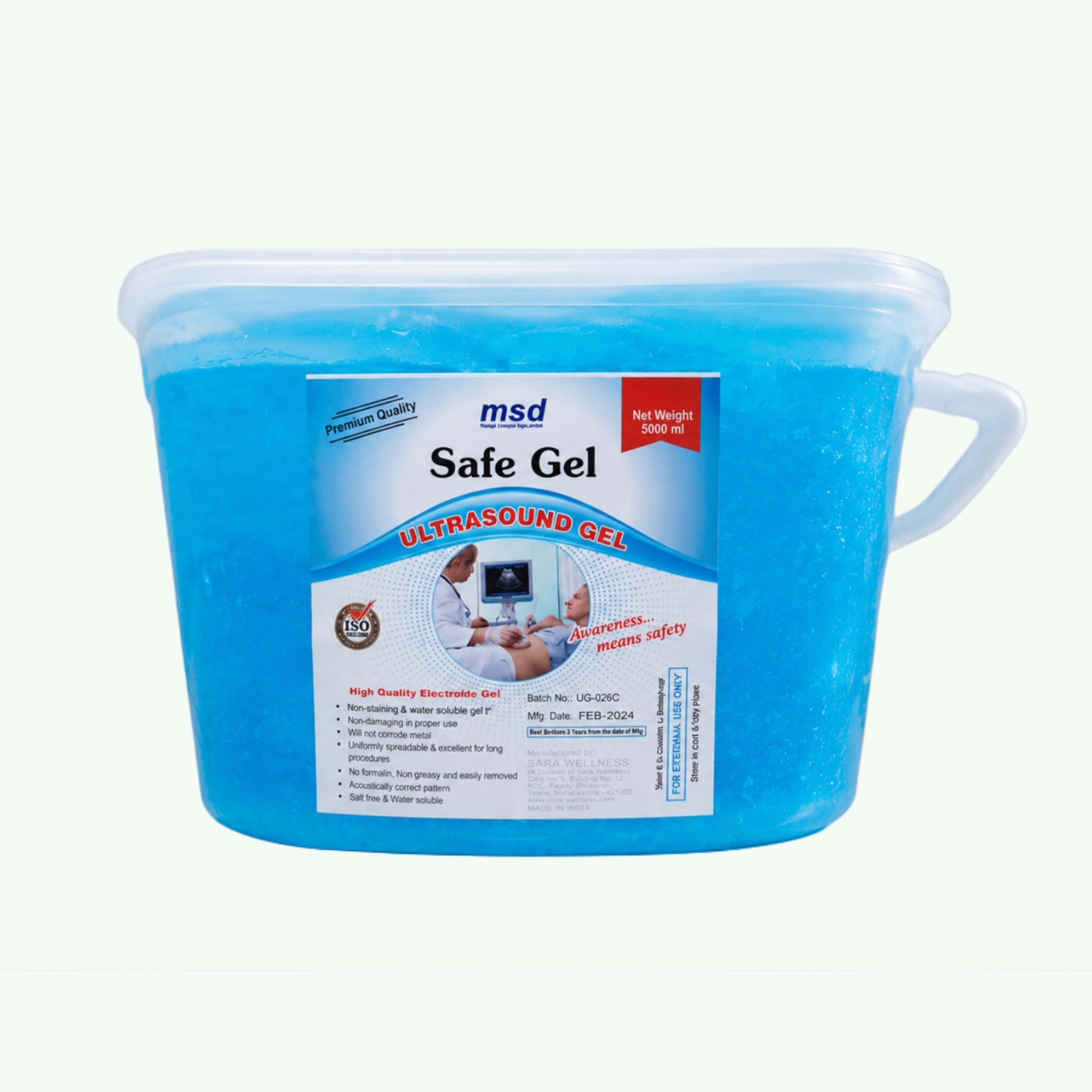
USG and ECG Gel
Somewhere between the ultrasound probe and a clear image of what's actually going on inside a patient sits a thin layer of gel, and that thin layer decides whether the scan is useful or useless. Sara Wellness supplies USG and ECG gel that keeps that layer doing its job: transmitting sound waves cleanly, holding electrode contact steady, and staying put on the skin without turning into a slippery mess halfway through a procedure. Hospitals in humid coastal cities need a formula that doesn't separate in storage. Clinics in colder climates need one that doesn't thicken up and refuse to spread. We've supplied both kinds, and we know the difference matters more than most catalogues let on. The gel is water-soluble, non-staining, and formulated to be gentle enough for repeated daily use on sensitive skin, whether it's a routine antenatal scan or a cardiac patient wired up for a long monitoring session. No harsh residue. No weird smell that makes technicians hold their breath. Just a smooth, consistent medium that does exactly what it's supposed to do and then rinses off without a fight. What tends to surprise new buyers is how much variation exists between suppliers on something this simple. Viscosity that's too thin runs off the skin before the scan is done. Viscosity that's too thick drags on the probe and distorts pressure readings. We test batches for consistency before they ever reach a shipping carton, because a gel that behaves differently from bottle to bottle isn't really a product, it's a liability. Over fifteen years of exporting hospital consumables out of India, we've learned that buyers rarely want a sales pitch. They want a supplier who answers the phone, quotes honestly, and doesn't vanish after the advance payment clears. That's the standard we hold ourselves to. Whether your order is a trial batch of a few hundred bottles or a container load of bulk jars for hospital procurement, we scale the packaging, the labeling, and the paperwork to match, without inflating the minimum order quantity into something only a distributor could justify. Private labeling is available if you're building your own brand in your market; we can work from your artwork or help you develop one from scratch. Every shipment leaves with the compliance documentation your customs and hospital procurement teams will actually ask for, not a generic invoice and a shrug. If you're sourcing for a hospital group, a diagnostic chain, or a distribution network, we'll walk you through pack sizes, shelf life, and shipping timelines over a call or an email thread, whichever you prefer, and we'll keep answering questions long after the first container has sailed. Good gel is unglamorous. Good service around it shouldn't be.